
US War Secretary Hegseth Warns Russia Against Involvement in Iran War Over Alleged Intel Sharing
Key Takeaways
- Pete Hegseth warned Russia to stay out of the Iran conflict.
- Analysts report Moscow may be sharing intelligence with Iran about US military assets.
- Russian officials denied sharing intelligence with Tehran during a call with Trump.
Hegseth's public warning
On March 10 War Secretary Pete Hegseth publicly warned that Russia "should not be involved" in the escalating conflict between the United States, Israel and Iran.
“War Secretary Pete Hegseth said Tuesday that Russia "should not be involved" in the escalating conflict between the United States, Israel and Iran, even as analysts point to Russian military activity that aligns with reports Moscow may be aiding Tehran”
He made the remark when asked about President Donald Trump’s recent call with Russian President Vladimir Putin and said that "The president maintains strong relationships with world leaders, which creates opportunities and options for us in very dynamic ways."
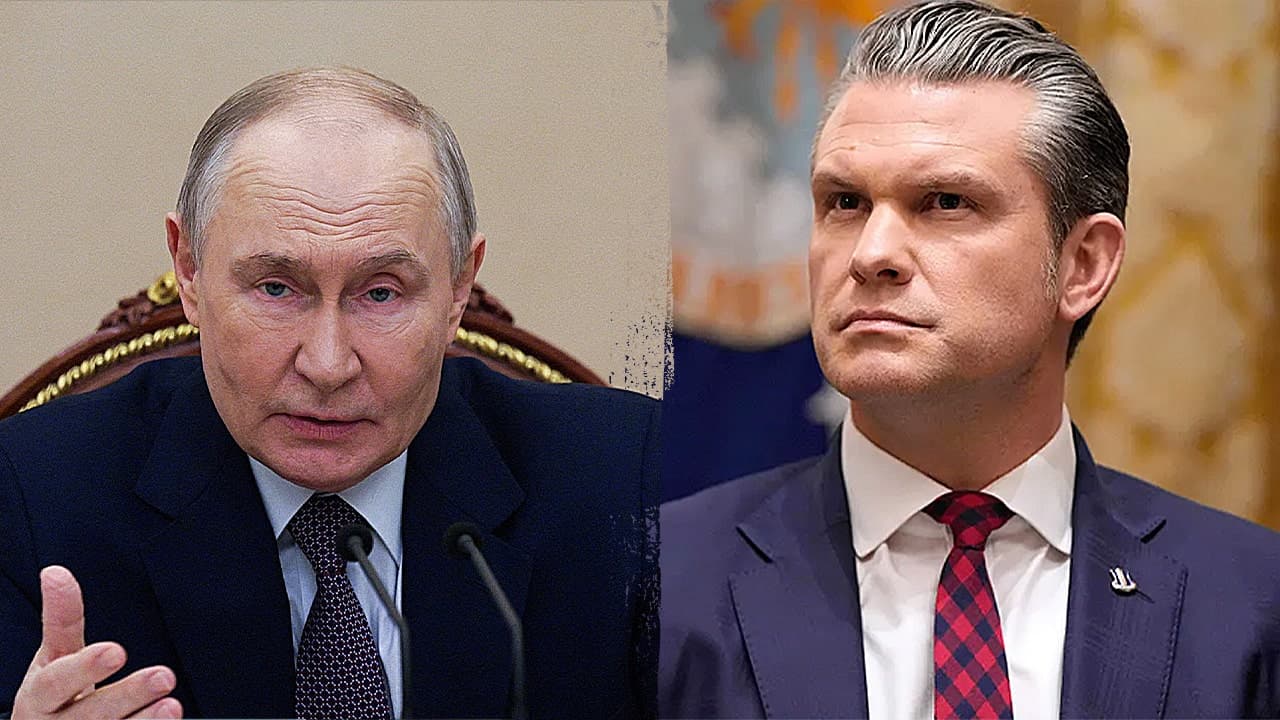
The warning was reported across multiple outlets summarising Hegseth’s admonition amid concern about Moscow’s role.
Alleged intel sharing
Several reports cited U.S. officials and analysts who say Moscow may have provided Iran with intelligence that could help identify U.S. military assets and movements.
Those reports specifically referenced the locations and movement of U.S. troops, ships and aircraft.
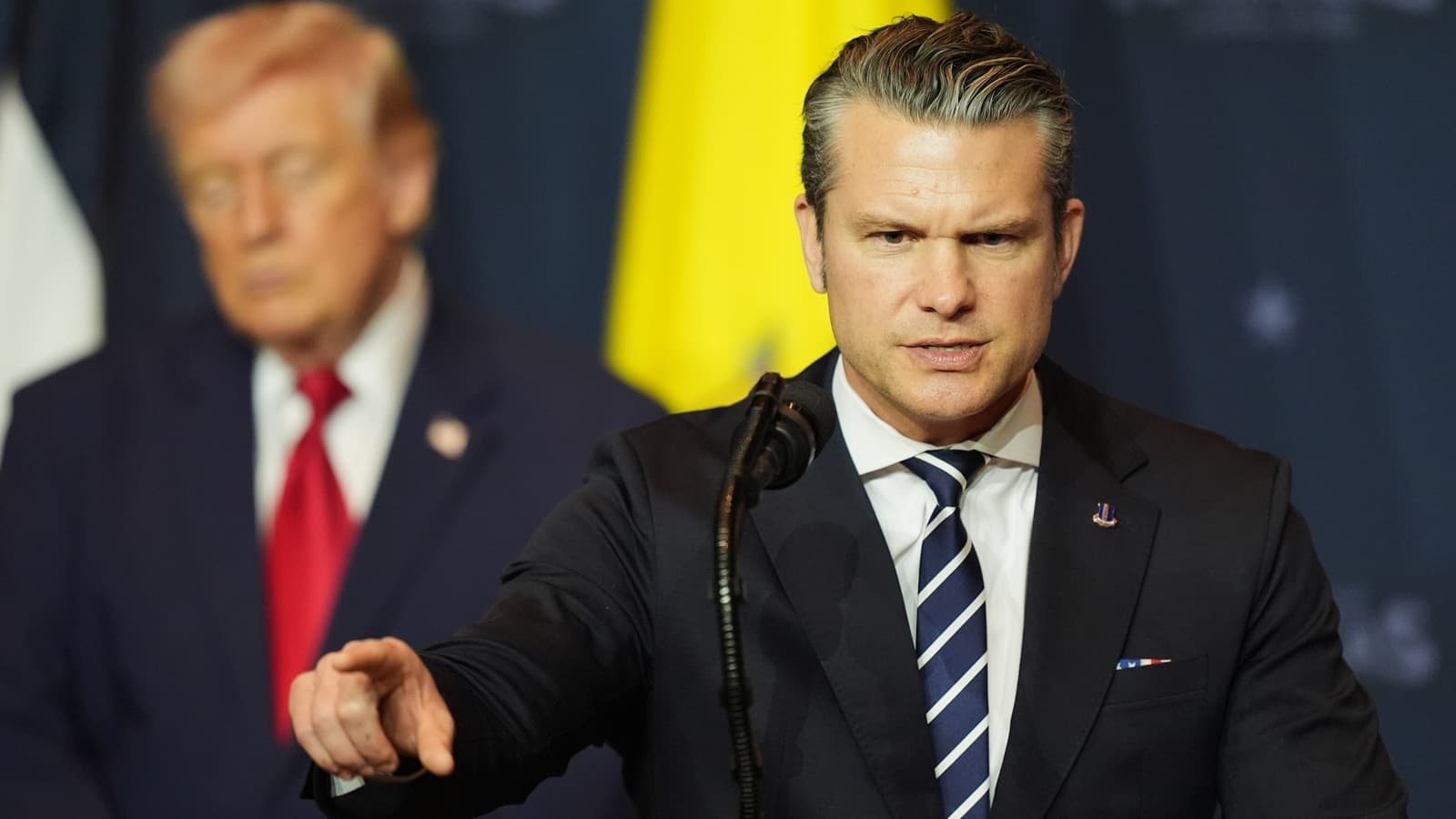
Outlets described the claims as coming from American officials familiar with the situation and framed them as intelligence assistance that, if true, could assist Iranian targeting decisions.
Russian denials and responses
Russian officials have reportedly denied sharing intelligence in a Monday call with Trump, with some U.S. representatives indicating they "can take them at their word."
“# The Latest: About 140 US troops injured, 8 severely, so far in Iran war, Pentagon says By The Associated Press Updated March 10, 2026 9:36 p”
Other U.S. officials and analysts have pressed the question and sought public confirmation.
U.S. statements and interviews show both the Russian denial — described in some accounts as "they are not sharing information" — and U.S. officials evading or declining to provide detailed public intelligence confirmation.
Analysts' technical view
Analysts cited by reporting linked Russian technical reconnaissance capabilities — including radar and electronic-signature satellites like Cosmos-2550 — to the possibility of Moscow providing information or tactical know‑how.
Reporters also connected battlefield lessons from Russia’s experience with Iranian drones in Ukraine to potential tactical cross‑pollination.
At the same time, analysts cautioned that there is not publicly dispositive proof that Russia supplied real‑time targeting data, framing the evidence as suggestive rather than conclusive.
U.S. messaging and stakes
The reporting underscored how the administration has sought to send a clear message to Moscow while keeping some intelligence details close.
“US President Donald Trump's war secretary Pete Hegseth on Tuesday (Mar 10) warned Russia that it "should not be involved" in the Iran war”
White House press secretary Karoline Leavitt said the U.S. had "sent a message to Russia that if that was taking place, it’s not something they would be happy with, and they hope that it is not taking place."
President Trump described his call with Putin as "very good" and "constructive" and suggested Moscow could help by bringing the war in Ukraine to an end.
More on Iran
US Bombs Military Sites on Iran's Kharg Island
10 sources compared
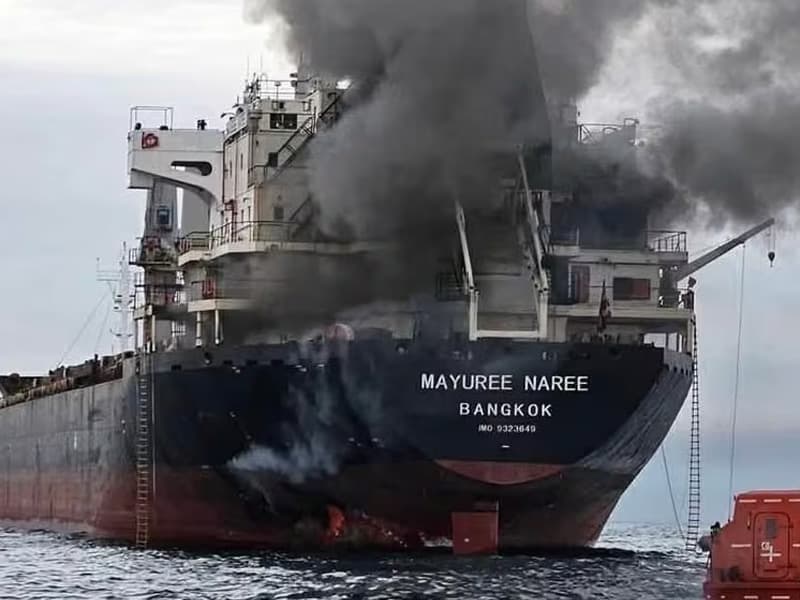
Iran Closes Strait of Hormuz, Chokes Global Shipping and Pushes U.S. Retail Prices Higher
41 sources compared
President Donald Trump Orders US Bombing of Iran's Kharg Island, Says Targets 'Totally Obliterated'
18 sources compared
US obliterates military targets on Iran’s Kharg Island, Trump warns
13 sources compared