
US And Iran Begin Peace Talks In Pakistan After Five Weeks Of War
Key Takeaways
- Direct U.S.–Iran talks began in Islamabad, Pakistan, mediated by Pakistan, aiming to end the war.
- Vice President JD Vance leads talks, warns Iran not to 'play' the U.S. during negotiations.
- Fragile ceasefire amid ongoing regional clashes and Strait of Hormuz tensions.
Ceasefire and Talks
The US and Iran entered peace talks in Islamabad on April 11, 2026, after agreeing to a two-week ceasefire on April 8.
The talks marked the highest level of contact since the 2015 nuclear deal.
Vice President JD Vance led the American delegation, while Iran was represented by Parliament Speaker Ghalibaf and Foreign Minister Araghchi.
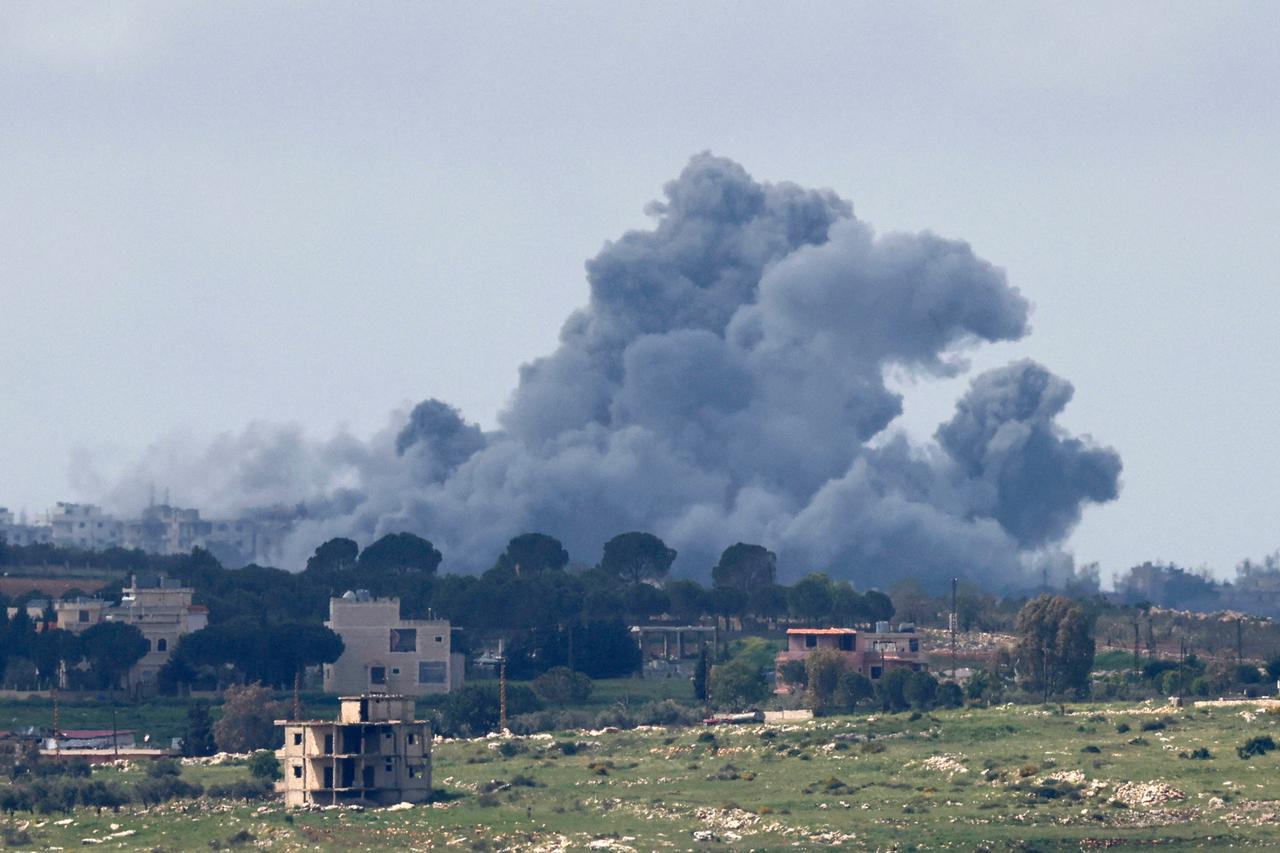
Iran insisted the truce include Lebanon, while Israel and the US said it did not.
The Strait of Hormuz remained effectively closed despite the ceasefire.
Trump warned that the only reason Iranians are alive today is to negotiate.
Divergent Death Tolls
The war killed more than 2,000 people across the region.
The Human Rights Activists News Agency said at least 1,701 civilians had been killed in Iran.

Lebanon's health ministry reported 1,953 dead from the Israel-Hezbollah conflict.
At least 32 people were killed in Gulf nations.
The American death toll stood at 13 service members.
The first days of the ceasefire were the deadliest seen in Lebanon since September 2024.
Iran's Demands
Iran's Parliament Speaker issued an ultimatum that negotiations could not begin unless Israel halted attacks on Lebanon and the US released frozen assets.
The gap between the two sides remained wide.
The American side's 15-point plan centered on Iran's enriched uranium, ballistic missiles, sanctions, and the reopening of the Strait of Hormuz.
Tehran's 10-point plan demanded control of the strait, an end to all military operations, and a complete lifting of sanctions.
Trump threatened to resume strikes if talks failed.
Pakistan's Role
Pakistan emerged as the key mediator due to its broad diplomatic network and historical ties with Iran.
Iran was the first country to recognize Pakistan after its independence in 1947.

Pakistan hosts more than 20 million Shia Muslims, the second-largest Shia population in the world after Iran.
An unnamed senior Pakistani official said that China stepped in and persuaded Iran to agree to an initial ceasefire.
The talks were held under tight security in Islamabad.
More on Iran
Iran Demands Lebanon Ceasefire And Asset Release Before US Peace Talks
13 sources compared

Iran Blocks Strait of Hormuz, Demands Israel Cease Attacks Before Talks
24 sources compared
US Sends Vance to Pakistan for Peace Talks as Israel Strikes Lebanon
23 sources compared

U.S. and Iran Hold Pakistan-Mediated Peace Talks Amid Israel Bombing Lebanon
11 sources compared