
Vitalik Buterin Pushes DVT-Lite To Make Ethereum Validator Setup Much Easier For Institutions
Key Takeaways
- Vitalik Buterin advocates DVT-Lite to simplify Ethereum staking for institutional holders.
- Ethereum Foundation is testing DVT-Lite for running validators.
- DVT-Lite reduces validator complexity, making staking more accessible to large ether holders.
Project overview and goals
Vitalik Buterin has proposed a simplified ‘DVT-lite’ distributed validator technology to make running Ethereum validators easier for institutions, aiming to reduce the current dependence on single machines and professional operators.
“Table of Contents Vitalik Buterin, co-creator of Ethereum, is championing a new approach to make staking more accessible to institutional players through a streamlined distributed validator technology variant dubbed DVT-lite”
CoinDesk explains that DVT allows multiple independent machines to collectively act as a single validator so the validator can keep operating even if some machines go down, and describes DVT-lite as a way to automate coordination of networking, keys and communication between nodes.

Live Bitcoin News reports that Buterin outlined the project on X and said the goal is to make distributed staking “maximally easy and one-click” for institutions, using container images or command-line deployment to lower the technical barrier.
Technical operation
Technically, DVT-lite automates key steps such as node discovery, distributed key generation, networking and validator coordination so operators do not need to manually coordinate multiple machines.
Live Bitcoin News describes how nodes run the same key configuration and, after setup, automatically connect and begin staking operations, with the configuration using standard infrastructure tools and options like container images or command-line deployment.

CoinDesk adds that existing DVT systems can be complicated because operators must coordinate networking, keys and communication, and that DVT-lite seeks to remove that complexity.
Decentralization and adoption
Buterin frames DVT-lite as a decentralizing move: by lowering operational complexity, the system should enable more ETH holders and institutions to run validators, spreading control away from a few large staking providers.
“Ethereum Foundation stakes 72,000 ETH using DVT-lite as Vitalik Buterin pushes simpler distributed staking for institutions”
CoinDesk quotes Buterin criticizing the idea that running infrastructure must be done by 'professionals' and saying that perception is "awful and anti-decentralization," arguing the project will help distribute staking infrastructure across more operators.
Live Bitcoin News echoes that reducing infrastructure barriers strengthens decentralization and that institutional adoption could enlarge the set of independent operators.
Foundation experiments and scale
The Ethereum Foundation is already experimenting with DVT-lite at scale and the Foundation’s deployment underscores a practical test case for institutions, with Live Bitcoin News reporting the Foundation is using DVT-lite to stake 72,000 ETH.
Both sources note that the system is intended to require minimal manual coordination, leveraging standard tools to help operators launch validators with minimal steps, and Buterin stated he intends to use the system himself.
CoinDesk suggests that widespread adoption by large ETH holders could counter centralization pressures from professional staking providers.
More on Crypto

Bybit Pay Joins Mastercard Crypto Credential Network, Lets Users Send Digital Assets Using Verified Aliases
10 sources compared
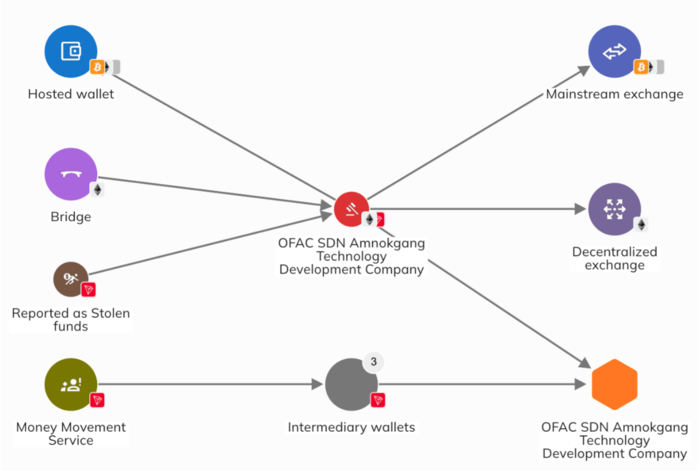
U.S. Treasury Freezes Crypto Network Feeding Nearly $800 Million To North Korea's Weapons Programs
10 sources compared

Europol and DOJ Freeze $3.4–$3.5M, Dismantle SocksEscort Proxy Network That Compromised 369,000 Devices
13 sources compared

BlackRock Launches iShares Staked Ethereum Trust (ETHB), Sparks Whale Buying in $15.5M Debut
10 sources compared