Von der Leyen Says Europe Must Abandon Rules-Based Order; Costa Insists EU Defend It
Key Takeaways
- Von der Leyen said Europe can no longer be guardian of the old world order
- She questioned the relevance of international law amid the attack on Iran
- António Costa urged the EU to defend and rebuild the rules-based international order
Von der Leyen's message
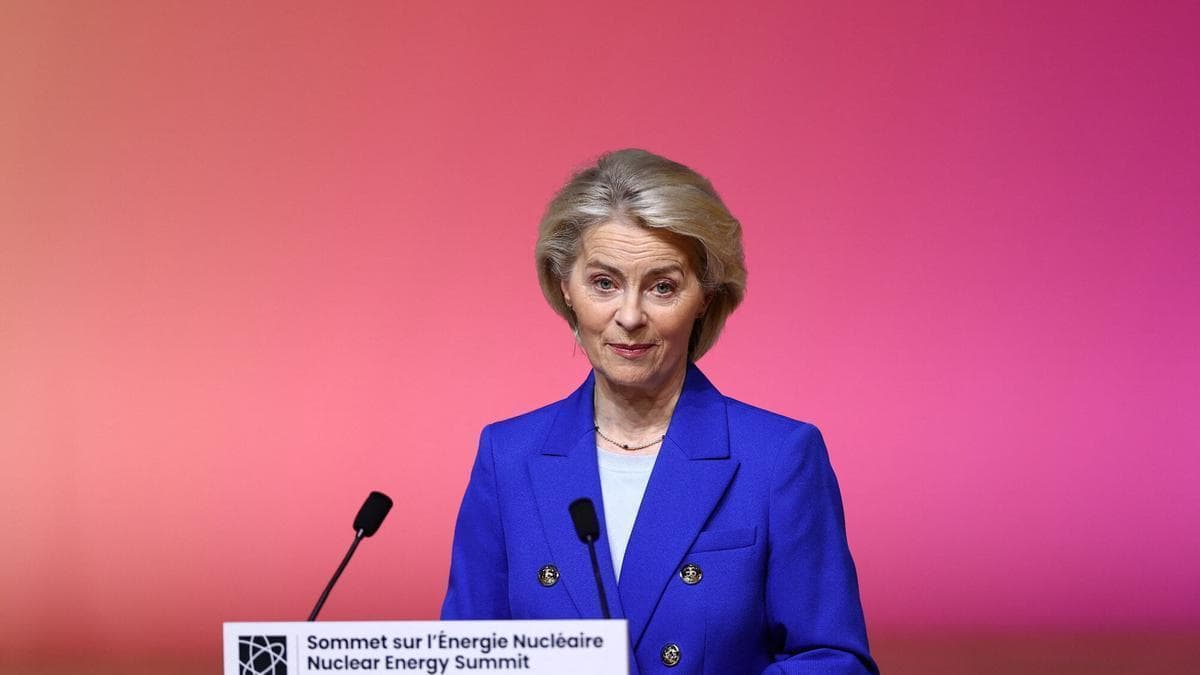
Ursula von der Leyen's brief speech argued that Europe must adapt its foreign policy to new geopolitical realities, saying "Europe can no longer be the guardian of the old world order" and urging a more "realistic" approach.
“The rules-based international order is mortally wounded by Russia’s war against Ukraine, Israel’s war in Gaza and the conflict launched by Donald Trump and Benjamín Netanyahu in Iran”
RTVE reports she "appealed for a 'realistic' foreign policy and clearly positioned herself on the side of the United States and Israel in their military escalation over Iran," while El País records her saying "now is not the time in Europe to consider whether the war against Iran contravenes international legality" and urging not to "weep for the Iranian regime" because of its regional actions.

La Nueva España summarizes her line that "We can no longer make the preservation of the rules-based system the only way of defending our interests" and that Europe must "build our own European path and find new ways to cooperate with partners."
Immediate backlash
The speech — described by La Nueva España as lasting only ten minutes — provoked significant controversy across EU institutions and member states, prompting immediate pushback from senior figures.
RTVE reports António Costa responded the following day by calling for "an international order based on rules" and warning that "unilateralism is never the way," while El País notes Von der Leyen's remarks "generated criticism of the head of the Commission from several member states, including France" and records Costa's contention that "Freedom and human rights cannot be achieved with bombs. Only international law defends them."
Rules-based order debate
The responses exposed a wider debate inside the EU over whether to defend the post‑war, rules-based order or to recalibrate Europe's stance amid shifting global power dynamics.
“Costa calls for "an international order based on rules" one day after Von der Leyen questioned respect for international law 10/03/2026 00:01:57 The President of the European Council, António Costa, responded on Tuesday to the speech delivered the previous day by the head of the European Commission, Ursula von der Leyen, calling for "an international order based on rules" and warning that "unilateralism is never the way" to solve global problems, an approach he applies to scenarios such as the current armed conflict in the Middle East”
La Nueva España frames the dispute as part of a broader argument that "the new order cannot simply consist of lamenting the disappearance of the old one" and warns "nostalgia is not a policy," while RTVE quotes Costa insisting "it is vital that the European Union speak with a single voice to defend its values and interests."
El País adds concern about avoiding "greater global fragmentation" and links that aim to help Ukraine "achieve a just and lasting peace," indicating the debate is tied to wider strategic priorities.
Competing framings
Some commentators and politicians framed Von der Leyen's stance as political realism that voices an idea already circulating in strategic and academic circles, while others framed it as dangerous sidelining of international law.
La Nueva España records a Popular Party MEP defending Von der Leyen as "brave" for expressing a message of "political realism" and arguing Europe "has to get its act together."
In contrast, RTVE and El País emphasize the legal and values-based pushback by Costa and others, with RTVE noting Costa's call for an "international order based on rules" one day after Von der Leyen "questioned respect for international law," and El País quoting Costa that "Freedom and human rights cannot be achieved with bombs. Only international law defends them."
Political implications
The row underscores political strain across the EU about how to balance strategic interests, legal principles and transatlantic ties; La Nueva España ties this tension to longer-term shifts by noting that the post‑1945 architecture "has been called into question since Donald Trump came to the White House," while El País stresses the connection between avoiding fragmentation and supporting Ukraine's security.
“The speech lasted only 10 minutes, but it has unleashed a major political storm in the European Union (EU)”
RTVE encapsulates the institutional imperative: "It is vital that the European Union speak with a single voice to defend its values and interests," signaling pressure on EU leaders to reconcile competing approaches.
More on Iran
US Bombs Military Sites on Iran's Kharg Island
10 sources compared

Iran Closes Strait of Hormuz, Chokes Global Shipping and Pushes U.S. Retail Prices Higher
41 sources compared
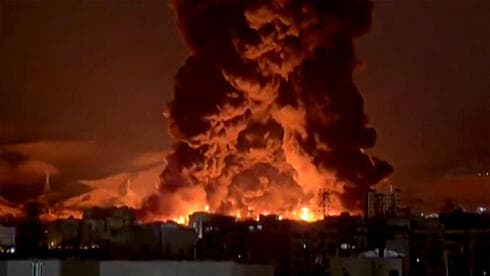
President Donald Trump Orders US Bombing of Iran's Kharg Island, Says Targets 'Totally Obliterated'
18 sources compared
US obliterates military targets on Iran’s Kharg Island, Trump warns
13 sources compared