
War in Iran consolidates the Middle East as a laboratory for the use of AI in conflicts
Key Takeaways
- War against Iran turned the Middle East into a laboratory for AI military use
- AI systems interpret intelligence, analyze satellite imagery, and identify targets
- Unresolved ethical debates persist over deploying AI when decisions mean life or death
AI in Middle East War
The article argues that the war against Iran has consolidated the Middle East as a laboratory for the use of artificial intelligence in conflict, with AI applied to interpret intelligence, analyze satellite imagery and identify targets.
“The war against Iran has consolidated the transformation of the Middle East into a laboratory for the use of AI in conflicts”
It traces this trajectory to the U.S. Department of Defense’s Project Maven, created in 2017, and to the Maven Smart System (MSS) developed by Palantir, owned by Peter Thiel.
According to the piece, the MSS was expanded under Donald Trump and is used by more than 20,000 service members.
Since 2024 the U.S. government has integrated the system with Claude, a language model from Anthropic, and the Pentagon ordered cancellation of contracts with Anthropic hours before the start of the war.
Analysts cited in the article attribute to the Maven-and-Claude duo the capacity to strike 1,000 targets at the outset of the conflict.
Admiral Brad Cooper, who leads United States Central Command, said the scale of current operations is twice as large as the 2003 "shock and awe" campaign in Iraq.
AI and military targeting
AI shortens the intelligence-to-strike chain by enabling automatic target recognition across satellite images, informant reports and intercepted communications.
Military sources told the U.S. press that before these tools it was only possible to process a maximum of 4% of collected enemy data.
Scholars like Vitelio Brustolin note computer vision can now point out vehicles, radars and launchers and speed decisions.
Studies cited include a Center for Security and Emerging Technology evaluation that found a 20-person cell using Maven performed similarly to units that in the Iraq war required more than 2,000 soldiers.
The Financial Times is reported to have revealed that Israeli intelligence hacked Tehran’s traffic cameras before the attack that killed the ayatollah Ali Khamenei.
The Guardian is cited for a 2024 investigation showing an AI system identified 37,000 Palestinians alleged to have ties to Hamas, with the Israeli Army responding that the tool was not a list of confirmed targets.
AI and lethal automation concerns
The article highlights mounting ethical and legal concerns about automating life-or-death decisions.
“The war against Iran has consolidated the transformation of the Middle East into a laboratory for the use of AI in conflicts”
Critics warn that accelerating the detect-to-attack chain increases the likelihood of errors and raises questions about legal responsibility.
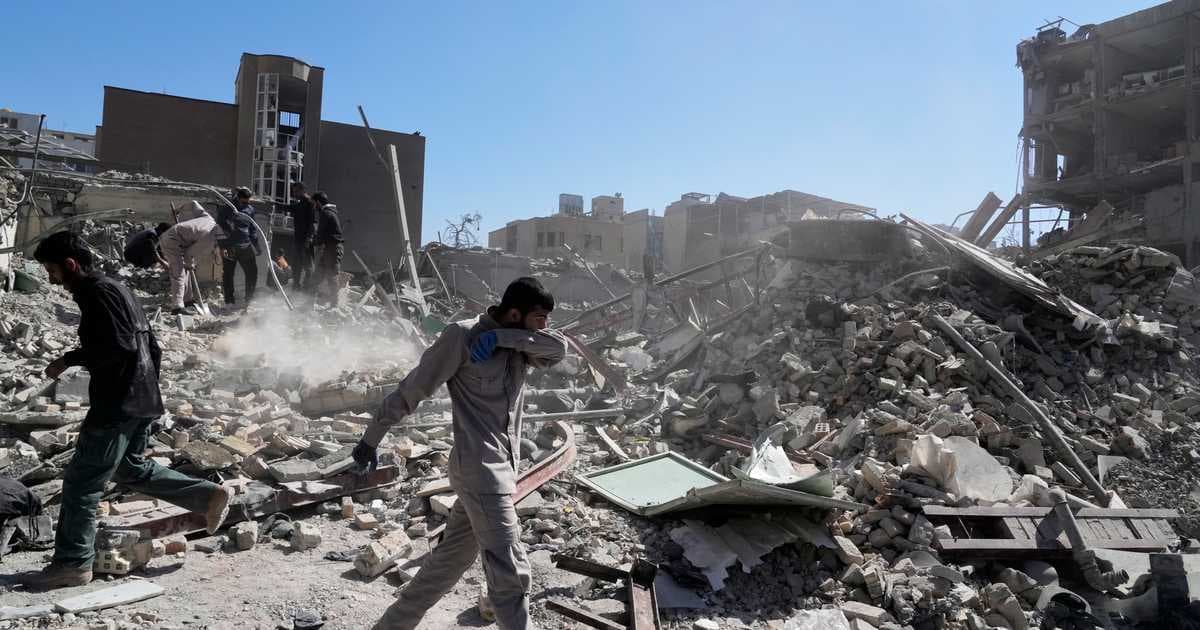
It cites the February 28 attacks on Tehran, which killed at least 165 civilians when a school was hit, and says evidence has been accumulating that the United States was responsible.
The piece describes a dispute with Anthropic, which refused to suspend Claude's safeguards against surveillance and autonomous weapons.
That refusal is presented as the reason Trump decided to punish the company by suspending its contracts.
The U.S. government's defense that AI is used with "a human in the loop" is reported as insufficient to allay criticism.
AI and drone warfare
Commentators quoted in the article warn of broader strategic effects.
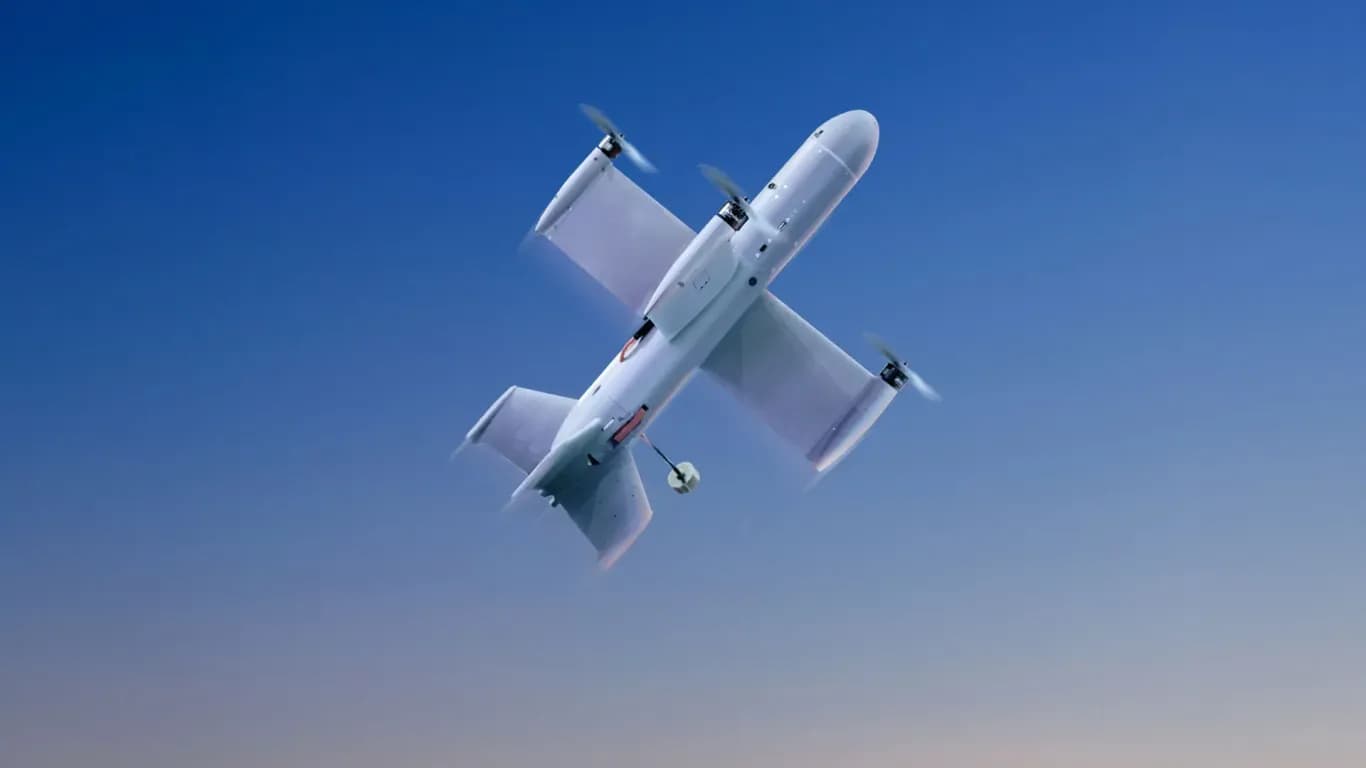
Oliver Stuenkel says the combination of drones and AI reduces the financial and human costs of military action, which may lower the threshold for initiating attacks and encourage resolving conflicts through air bombardment and drones alone.
The article presents the conflict as a technological milestone that will influence other wars and suggests AI could reduce the need for large conventional armies.
It also notes studies from various research centers showing that in Ukraine drone strikes are responsible for more than 70% of deaths, underscoring the article's concern that these technologies reshape both the conduct and incentives for modern warfare.
More on Iran-Israel

Escalation in Iran Pushes Oil Near $120, Sparks Gas Price Surge in Los Angeles
10 sources compared
U.S. Intercepts Iran Message Activating Sleeper Cells After U.S.-Israel Strike Kills Khamenei
14 sources compared

Iran Threatens To Confiscate Property Of Iranians Abroad Who Support US And Israel
14 sources compared
Ukraine Sends Drones, Experts to Shield U.S. Bases in Jordan From Iran
16 sources compared