War With Iran Roils Markets as Oil Surges to Nearly $120 Per Barrel
Key Takeaways
- Oil prices briefly surged to nearly $120 per barrel, then plunged to about $86 Monday
- U.S. stocks recovered losses after volatile trading prompted by the oil price surge
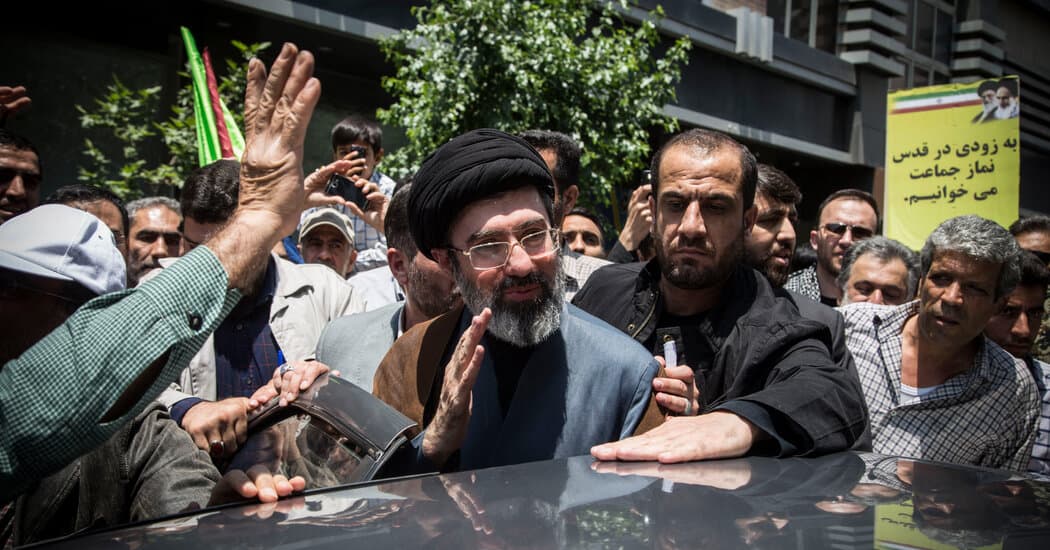
- Iran appointed Mojtaba Khamenei as the country's new supreme leader
Oil price volatility after escalation
Oil markets swung wildly after a weekend of Middle East escalation.
US crude briefly surged as much as 31%, topping $100 and approaching $120 per barrel, before later paring gains.

By Monday's settle, US crude had fallen and Brent was also down from earlier highs.
The moves illustrated acute short-term price swings tied to the conflict.
Oil and market volatility
Traders and strategists described extreme volatility and uncertainty.
Both benchmarks saw large weekly gains (US crude up ~36%, Brent ~27%) and intra-day swings.

Market measures of risk remained elevated.
Commentators warned the episode could be a pullback, a correction, or the start of a broader bear market.
A weak February jobs report fed market anxiety.
Safe-haven flows briefly supported the dollar.
Oil market responses
Reports said G7 finance ministers would meet to consider a possible joint release of strategic oil reserves and to take "necessary measures", though no release was agreed.
“By John Towfighi, CNN New York (CNN) — US stocks recovered losses Monday and oil prices plummeted after settling at their highest level since 2022, as the war with Iran continued to roil markets”
Gulf producers announced further production halts and at least one state (Bahrain) declared force majeure.
At the same time, the US administration was reportedly weighing a short-term SPR release to blunt fuel-price pain for consumers.
Energy-driven economic risks
Beyond immediate market moves, analysts warn of broader economic risks: the episode highlights the prospect of higher energy-driven inflation that could weigh on stocks and revives stagflation fears reminiscent of the 1970s if oil flows remain disrupted.
Policymakers face the twin challenges of stabilising energy supplies while managing growth and inflation amid elevated geopolitical risk.
Market and humanitarian impact
The market shock is inseparable from the humanitarian and geopolitical context.
“Top clerics said in a statement published in state media that they had picked Mojtaba Khamenei, a son of the slain supreme leader Ayatollah Ali Khamenei, to succeed his father”
Governments and regional powers are closely monitoring the fighting.
The conflict has alarmed the UN as millions now need aid with water and medical supplies running low.
NGOs report difficulties delivering assistance amid ongoing violence.
Political developments in Iran were cited as a compounding factor driving risk perceptions across markets and capitals.
More on Iran
US Bombs Military Sites on Iran's Kharg Island
10 sources compared
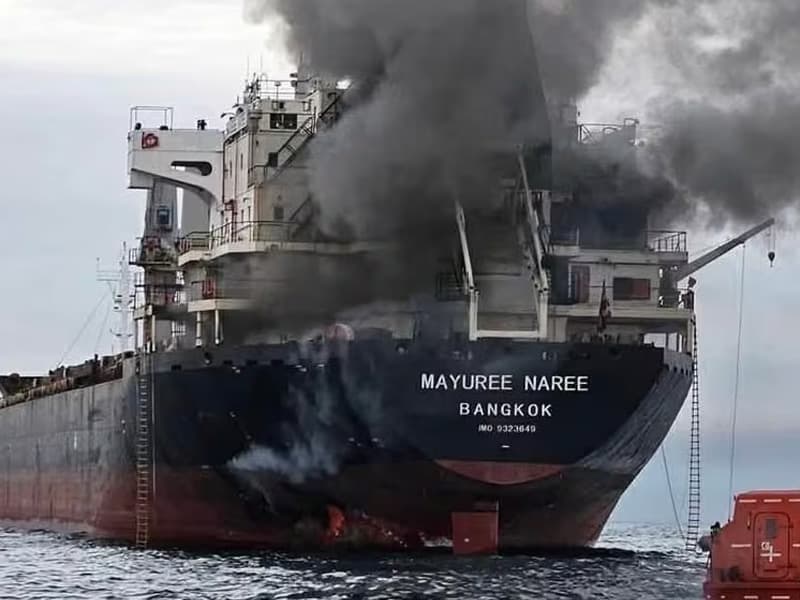
Iran Closes Strait of Hormuz, Chokes Global Shipping and Pushes U.S. Retail Prices Higher
41 sources compared
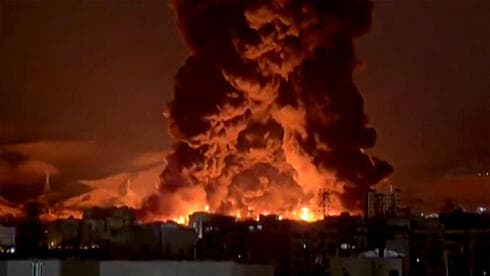
President Donald Trump Orders US Bombing of Iran's Kharg Island, Says Targets 'Totally Obliterated'
18 sources compared
US obliterates military targets on Iran’s Kharg Island, Trump warns
13 sources compared