India10 March, 20262 min read
West Asia Conflict Disrupts LPG Imports, Forces 20% of Mumbai Restaurants to Close
This article is an automated aggregation of coverage from news outlets. Our editorials offer in-depth analysis curated by the NewsCord team.
West Asia conflict disrupted LPG imports to India, affecting commercial cooking gas supply About 20% of Mumbai hotels and restaurants temporarily closed due to LPG shortages
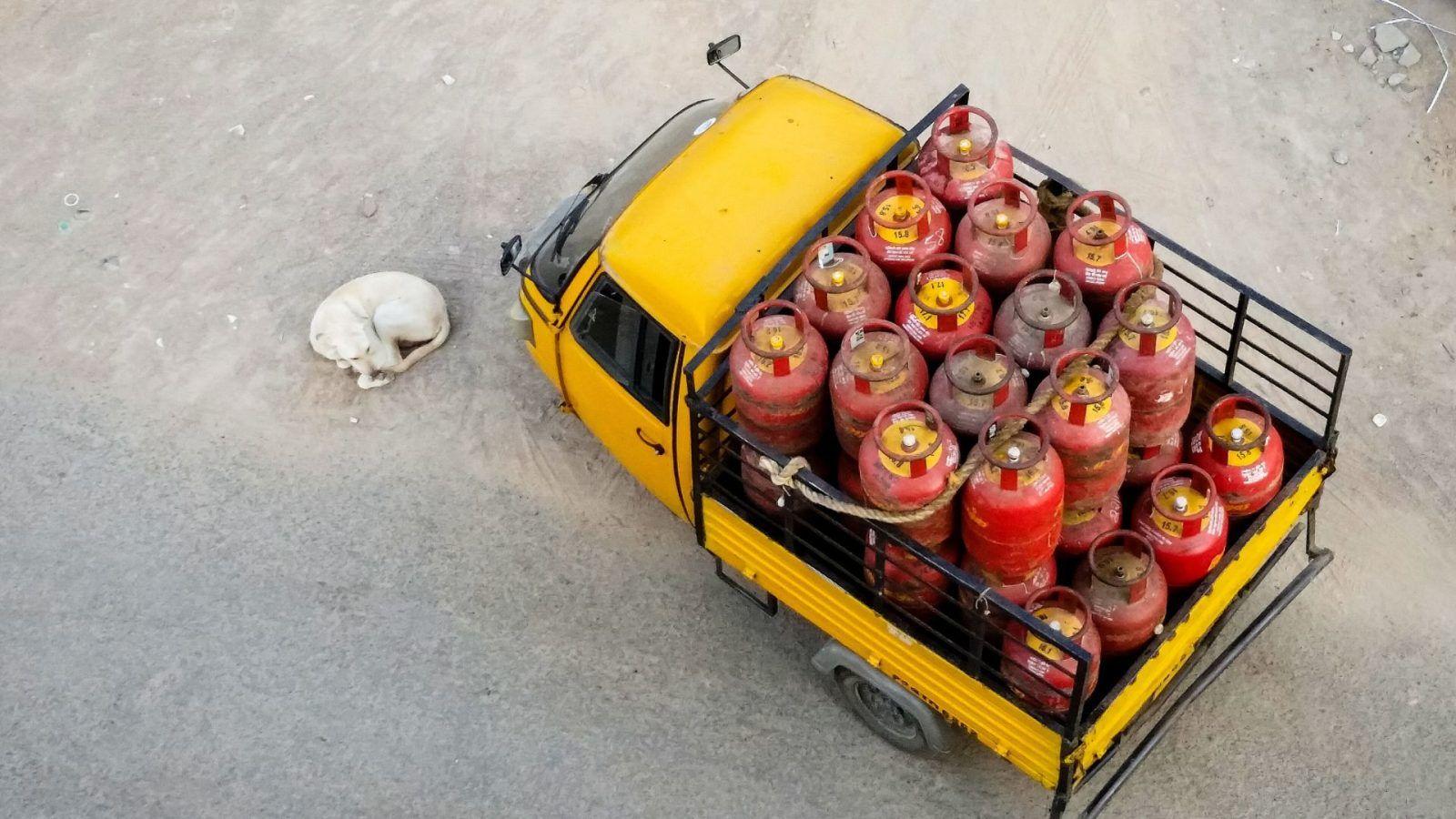
LPG supply disruptions
A spike in regional tensions tied to attacks involving the US, Israel and Iran has disrupted LPG shipments from West Asia and jammed routes that India depends on, particularly the Strait of Hormuz.
“A spike in tensions after US-Israel attacks on Iran has disrupted LPG shipments from West Asia, triggering shortages of commercial cooking gas for restaurants across major Indian cities (Bengaluru, Chennai, Delhi, Mumbai, Pune).”
Sources tie the supply shock directly to volatility in energy markets after the escalation between Israel and Iran, with shipping flows affected along key Middle Eastern routes that carry most of India’s LPG imports.
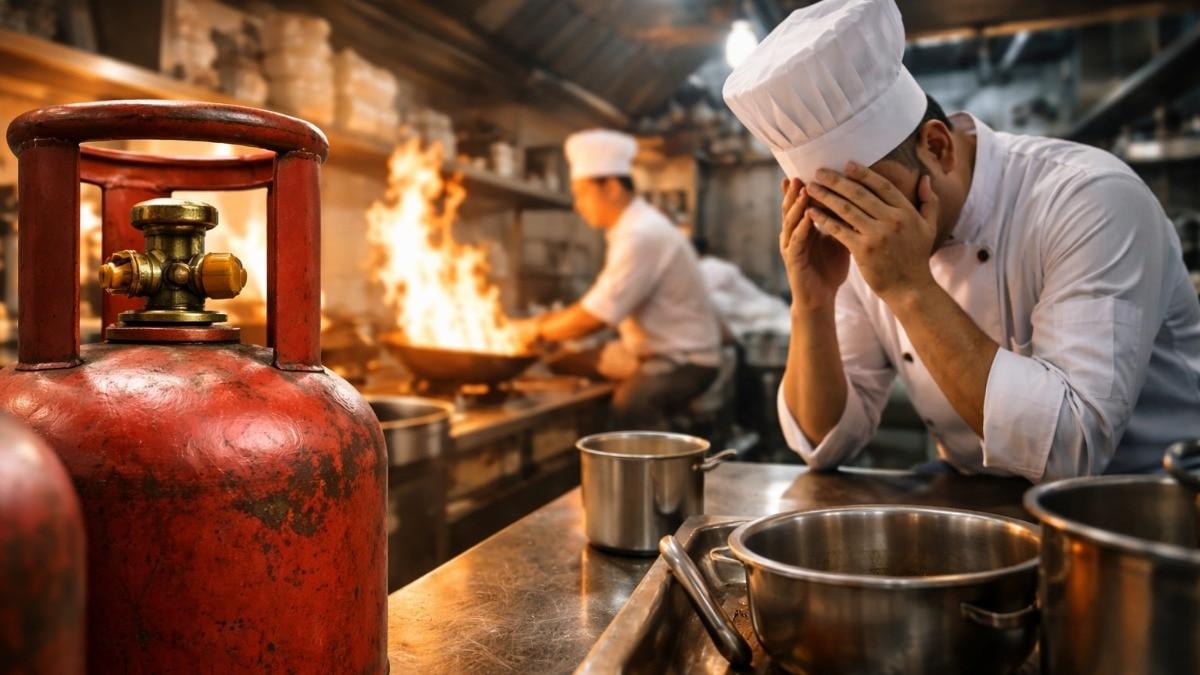
Mumbai hospitality fuel shortages
The disruption quickly translated into acute shortages for the hospitality sector. Commercial cylinder deliveries to hotels and restaurants have largely stopped in many cities, refill wait times have stretched, and operators are cutting menus or closing temporarily. Industry estimates cited across outlets put around 20% of Mumbai's hotels and restaurants already closed or temporarily shut, with many outlets shortening hours or removing fuel-intensive items from menus.
LPG supply measures
The central government and industry were reported taking multiple short‑term supply‑management steps. These measures included ordering refineries to raise LPG output, diverting petrochemical hydrocarbon streams to the LPG pool, prioritising household cylinders and invoking the Essential Commodities Act.
“The Ministry of Petroleum & Natural Gas has ordered refineries to raise LPG output, diverted petrochemical streams to boost LPG, extended the refill booking cycle (21 → 25 days) to curb hoarding, prioritized imports and supplies for essential institutions, formed a three-executive-director committee from OMCs to handle commercial requests, and invoked provisions of the Essential Commodities Act to maintain domestic supply.”
Regulators also extended the domestic refill booking period to curb hoarding and formed a committee from oil marketing companies to handle commercial requests. Despite these measures, authorities insisted there was no formal ban on commercial LPG even as ground‑level constraints persisted.
Hospitality shortages and impacts
The shortages threaten significant economic fallout for the hospitality sector and related revenue streams. The industry is large and labour-intensive, and hotels and banquets face cancelled bookings and menu restrictions that could hit tax receipts and earnings. Multiple reports note major hospitality networks and star hotels across Mumbai, Chennai, Bangalore, Delhi, Kolkata and Hyderabad are reporting problems, and some chains have curtailed operations or prepared contingency plans while flights to the Middle East slowly resume after earlier disruptions.
Import and shipping risks
Outlook remains fragile and dependent on the restoration of imports and stable production. Analysts and officials linked normalisation to stabilised shipping and global market conditions, and warned the situation could continue until flows through key routes like the Strait of Hormuz recover. India’s heavy import dependence — consuming about 33.15 million tonnes a year with more than 80% of imports transiting the Strait of Hormuz — underpins the vulnerability that has left the government and industry bracing for further disruption.
“Bottom line: Geopolitical disruption to Middle Eastern fuel routes has triggered an LPG supply shock that is already disrupting restaurants and hotels; the government has taken supply-boosting and prioritization measures, but the situation remains fragile.”