
White House adviser Kevin Hassett says U.S. war on Iran costs $12 billion
Key Takeaways
- U.S. has spent about $12 billion on its Iran war.
- The figure was stated by Kevin Hassett.
- The remarks aired during a CBS News interview.
War Cost Disclosure
White House economic adviser Kevin Hassett revealed that the United States has spent approximately $12 billion on its military offensive against Iran.
“The United States has spent $12bn on its war against Iran since launching joint strikes on the country with Israel on February 28, Trump’s top economic adviser said, as domestic concerns grow over the Middle East conflict’s burgeoning economic impacts”
Hassett, serving as director of the White House National Economic Council, provided this figure during an appearance on CBS's Face the Nation.

He initially appeared to present the $12 billion as the projected total for the entire war before being forced to clarify.
The $12 billion figure represents only what has been spent so far since launching joint strikes with Israel on February 28, 2026.
The comments came amid domestic concerns growing over the Middle East conflict's burgeoning economic impacts.
The Trump administration attempted to reassure Americans that the war would not significantly strain the U.S. economy.
The administration also stated that the conflict would not require emergency funding from Congress.
Conflict Timeline
The Pentagon's previous estimates indicated that the cost of the war surpassed $11.3 billion within the first six days.
This early cost was driven largely by the heavy use of precision-guided munitions and air assaults.

Defense officials believe the ongoing offensive could last between four to six weeks.
Hassett claimed that military operations are already ahead of schedule.
Energy Secretary Chris Wright predicted that the war could end within weeks.
Administration officials attempted to calm public fears about potential economic fallout.
The February 28 launch date marks the beginning of a joint U.S.-Israeli military operation.
Economic Impact
Hassett attempted to downplay the war's economic impact on the United States.
He argued that financial markets were already anticipating a swift resolution and lower energy prices.
This market position contradicted consumer alarm over rising fuel costs at petrol stations.
The administration worked to shield U.S. farmers and industries from supply disruptions.
They expanded permits for energy and fertilizer supplies from Venezuela and Morocco.
The administration allowed more foreign vessels to transport jet fuel from the Gulf of Mexico.
Hassett dismissed Iranian warnings about economic damage to the American economy.
He positioned the U.S. as better prepared than during the 1970s energy crisis.
Casualties and Market Concerns
The U.S.-Israeli offensive has inflicted significant casualties.
Reports estimate roughly 1,200 people have been killed in Iran since the strikes began.
The casualties include Iran's former supreme leader Ali Khamenei.
On the U.S. side, 14 service members have died during the operation.
These figures highlight the human cost of the military campaign.
Markets remain jittery following Iranian threats to the Strait of Hormuz.
The Strait handles about 20 percent of the world's oil supplies.
Hassett argued that shipping disruptions would hurt oil-dependent countries more than the U.S.
Funding Strategy
The administration does not expect to ask lawmakers for additional funding.
“The United States has spent $12bn on its war against Iran since launching joint strikes on the country with Israel on February 28, Trump’s top economic adviser said, as domestic concerns grow over the Middle East conflict’s burgeoning economic impacts”
They argue that existing military stockpiles are sufficient to continue attacks.
This position reflects confidence despite the substantial $12 billion expenditure.
Hassett's comments were part of broader White House efforts to manage public perception.
Officials attempted to project control over both military and economic aspects.
The $12 billion figure represents only the initial phase of the operation.
This figure has become a key metric in the administration's communications strategy.
The administration consistently worked to manage perceptions about the conflict's duration and costs.
More on Iran
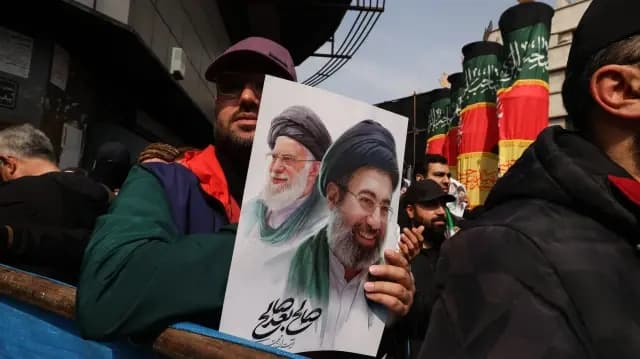
Russia Secretly Airlifts Iran's Supreme Leader Mojtaba Khamenei to Moscow for Surgery
11 sources compared
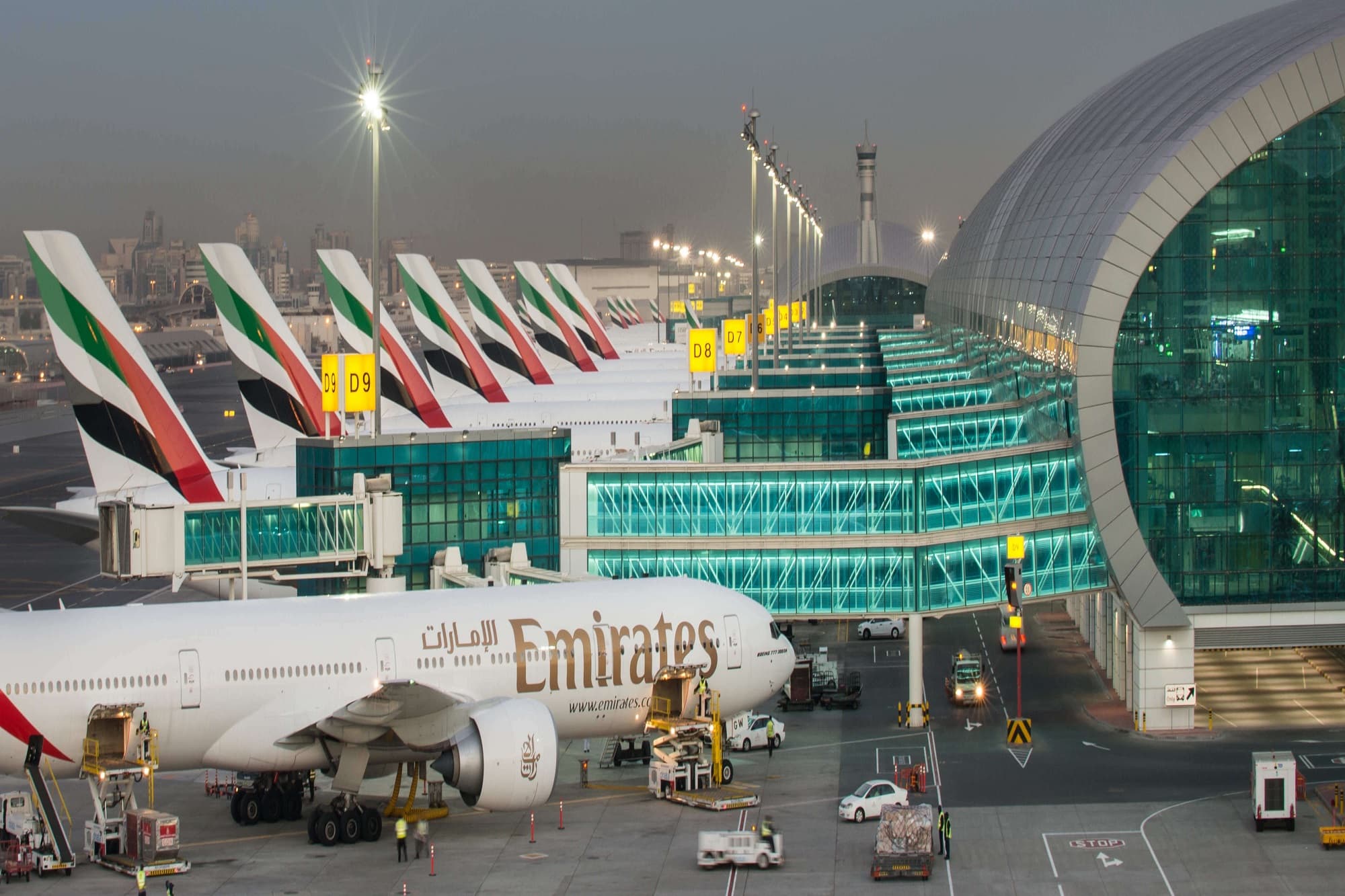
Iranian Drone Strike Shuts Dubai International Airport, Thousands Stranded
25 sources compared

Iran Drone Strike Shuts Dubai International Airport, Triggers Global Travel Disruption
16 sources compared

Iran's New Supreme Leader Mojtaba Khamenei Travels to Moscow for Leg Surgery
15 sources compared