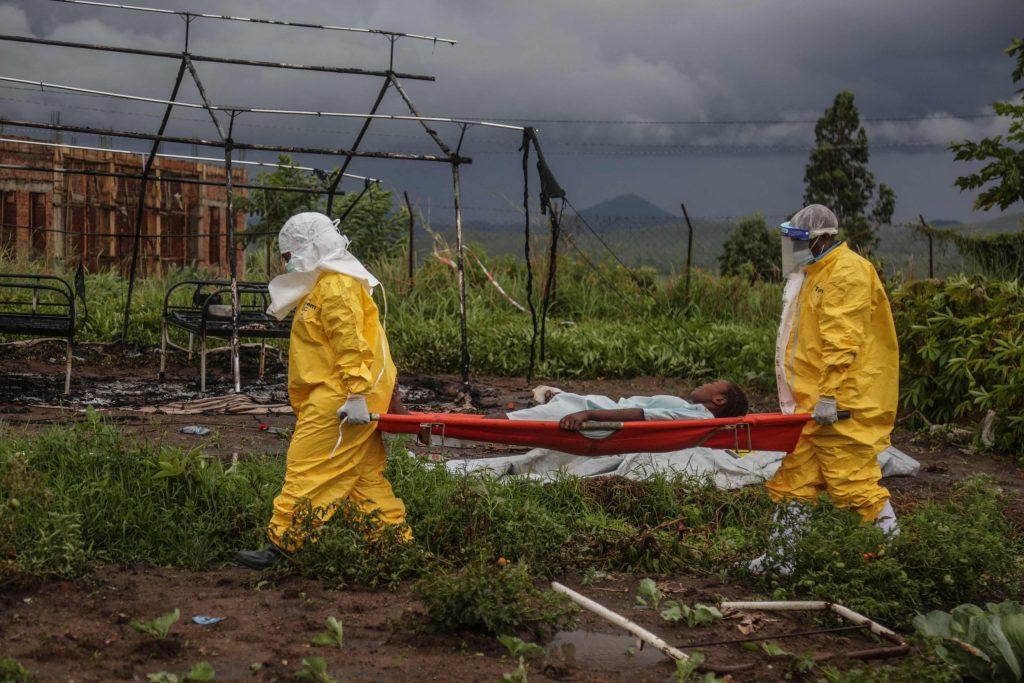
WHO Chief Tedros Adhanom Ghebreyesus Calls For Ceasefire In Eastern DR Congo’s Ituri
Key Takeaways
- Tedros Adhanom Ghebreyesus calls for an immediate ceasefire in eastern DRC to tackle Ebola.
- Ituri province is the hardest-hit area in the ongoing Ebola outbreak.
- The outbreak faces a catastrophic collision with conflict, hampering response.
Ebola meets conflict
The World Health Organization chief Tedros Adhanom Ghebreyesus called for an immediate ceasefire in eastern Democratic Republic of the Congo to help tackle the Ebola outbreak in Ituri province, warning of a “catastrophic collision of disease and conflict”.
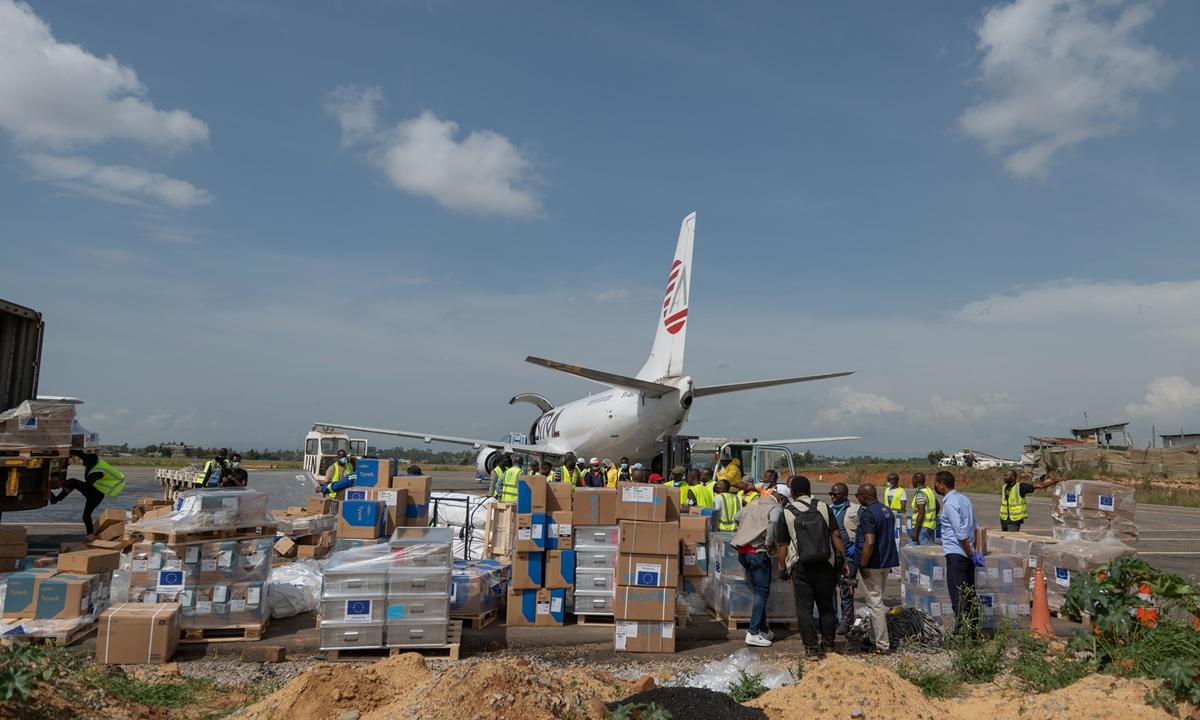
“Workers offload medical and emergency supplies donated by the European Union to support frontline workers in their fight against Ebola upon arrival at the national airport in Bunia, Congo, on May 28, 2026”
Tedros said on X that the WHO could not “build community trust or isolate the sick while bombs are falling,” and he is due to travel to DR Congo this week to spearhead efforts to contain the virus.
The Guardian reported that the number of suspected cases in eastern DRC is nearing 1,000, with at least 220 suspected deaths, while the country’s health ministry said on Tuesday that 101 cases had been confirmed and it was looking into more than 3,000 possible contacts.
In Uganda, the WHO data cited by the Guardian showed seven confirmed cases and one death as of Sunday, and the BBC said Uganda announced it is temporarily closing its border with DR Congo as the outbreak response faces disruption.
The BBC added that Ituri province has been under military rule since 2021, when the civilian authority was replaced by a military general in an attempt to neutralise dozens of armed groups that operate there.
Borders, supplies, and appeals
Uganda’s border closure became a central part of the response, with the Guardian reporting that Diana Atwine said Uganda’s border would be closed for four weeks except to Ebola response teams, humanitarian and security operations and food and cargo transport.
Atwine also said that any person authorised to enter Uganda from the DRC would be required to undergo mandatory self-isolation for 21 days, as the BBC described Uganda’s border closure taking effect immediately with only essential workers allowed to cross under strict conditions.

Tedros appealed directly to armed groups, telling them “Please, declare a ceasefire. Even briefly. Even just enough to let health workers through,” as Al Jazeera reported from Kinshasa that the government was calling on locals to respect health guidance.
The Guardian said aid groups were rushing staff and equipment to eastern DRC but attacks on medics due to community distrust had hampered efforts, and it quoted a doctor in Butembo saying, “If there are more deaths I don’t know how we will manage.”
Al Jazeera reported that the outbreak is the country’s 17th Ebola outbreak and that it is caused by a different strain called Bundibugyo, for which there are currently no approved vaccines or treatments.
What’s at stake next
The BBC said the Congolese health authorities say around 1,000 people are currently showing symptoms consistent with Ebola, while also noting that the outbreak is a rare strain known as Bundibugyo for which there are no vaccines or medicines.
“The chief of the United Nations health agency is travelling to Ituri in the Democratic Republic of the Congo (DRC), which has been hit the “hardest” as authorities battle to contain the country’s 17th Ebola outbreak”
The Guardian reported that the outbreak was confirmed on 15 May in Ituri, and it said the number of suspected cases in eastern DRC is nearing 1,000 with at least 220 suspected deaths, while the health ministry said 101 cases had been confirmed and it was looking into more than 3,000 possible contacts.
The ECDC update said that as of 27 May 2026, the outbreak of Ebola disease caused by Bundibugyo virus is still affecting the DRC and Uganda, with increasing numbers of confirmed and suspected cases and deaths being reported, and it assessed the likelihood of infection for people living in the EU/EEA to be very low.
In DRC, the ECDC said that on 26 May the Ministry of Health reported a total of 121 confirmed cases (including 17 deaths) and 1 077 suspected cases (including 238 deaths) in Ituri, North Kivu, and South Kivu provinces, while Uganda has reported seven confirmed cases, including one death.
Al Jazeera reported that the Africa CDC head Jean Kaseya told reporters that “by the end of this year, 2026, Africa CDC will make sure that we have a vaccine and medicine against Bundibugyo,” as the WHO said experimental treatments and vaccines for Bundibugyo should only be used in clinical trials.
More on Technology and Science
Trump Administration Sends Americans Exposed to Ebola in Democratic Republic of the Congo to Kenya
19 sources compared

WMO Warns Record-Breaking Temperatures Likely From 2026 To 2030, With El Niño
10 sources compared

Elon Musk Accuses Pentagon of Violating Starlink Contract Over Iran War Pricing
12 sources compared
JD Vance Praises Pope Leo XIV’s AI Encyclical Warning Against Unrestrained Technology
14 sources compared