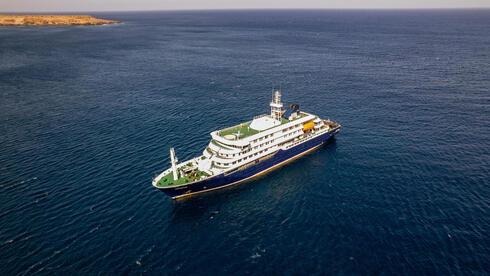
WHO Confirms Hantavirus Outbreak Aboard MV Hondius, Kills Three in Atlantic
Key Takeaways
- World Health Organization confirms hantavirus aboard MV Hondius, three deaths reported.
- The ship, carrying about 149–150 people, remains off Cape Verde awaiting assistance.
- WHO identifies seven cases aboard Hondius, including three deaths; other outlets cite six-plus.
Deaths on MV Hondius
A suspected outbreak of hantavirus on the MV Hondius, a Dutch-flagged cruise ship sailing in the Atlantic Ocean, killed three people and sickened at least three others, according to the World Health Organization and South Africa’s Department of Health.
The AP reported that the WHO and South Africa’s Department of Health said Sunday that the outbreak killed three people, including an elderly married couple, and sickened at least three others.
The BBC said three people have died and a UK national is seriously ill in hospital after a suspected hantavirus outbreak on a small cruise ship in the Atlantic Ocean.
The CBS News report likewise said the outbreak “has killed three people” and sickened “at least three others,” with one patient in intensive care in South Africa.
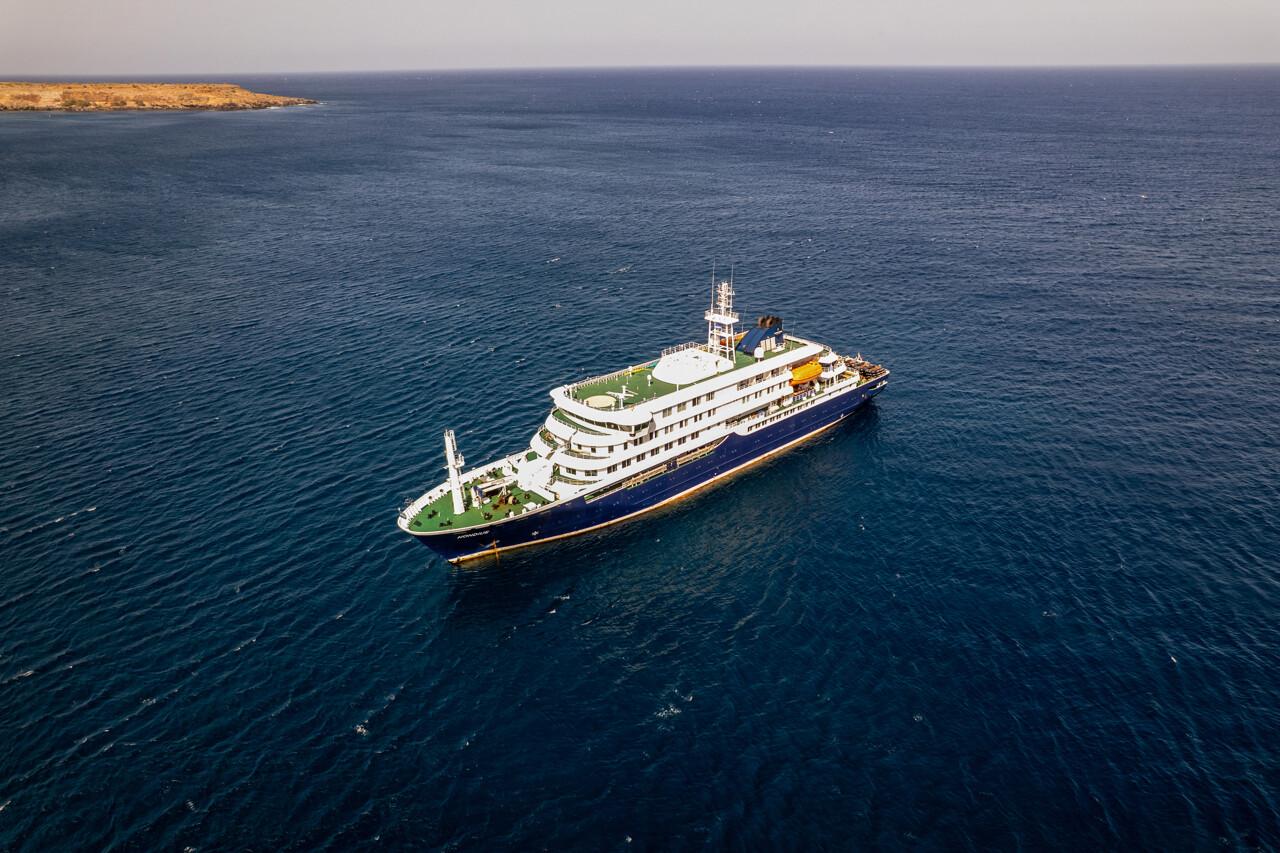
The ship was anchored off Praia, Cape Verde, and local authorities had not allowed anyone to disembark, the AP said, while the BBC said the MV Hondius vessel is currently off the coast of Cape Verde.
Oceanwide Expeditions, the operator, said the two sick people onboard requiring urgent medical care were crew members, according to the AP, and the BBC said there were also two crew members on board “with acute respiratory symptoms, one mild and one severe.”
The AP also said the WHO confirmed at least one case of hantavirus and that one patient was in intensive care in a South African hospital while the agency worked with authorities to evacuate two others with symptoms from the ship.
Timeline and route
The outbreak unfolded over a timeline that multiple outlets tied to specific dates and ports, beginning with the ship’s departure from Argentina and moving through St Helena and Cape Verde.
The AP said the weekslong cruise started in Argentina and that the ship, the Dutch-flagged MV Hondius, had left Argentina around three weeks ago for a cruise that included visits to Antarctica, the Falkland Islands and other stops, with a final heading toward Spain’s Canary Islands.

The BBC provided a more granular sequence: it said a passenger became unwell while aboard and died on 11 April, and his body was taken off the ship after it docked at St Helena on 24 April.
The BBC said the passenger’s wife also disembarked on St Helena and that the firm was told she had become unwell during the return journey and later died.
The BBC then said that on 27 April, another passenger—the British national—became seriously ill and was “medically evacuated” to South Africa, where a variant of hantavirus had been identified in the 69-year-old.
The BBC also said that on Saturday, a third passenger onboard MV Hondius died, with the cause of death not established, and it confirmed the passenger was German.
CNN added that the vessel was anchored off Praia, the capital of Cape Verde, and said Oceanwide Expeditions reported that 149 people remained on board, while the ship was not authorized to dock at the port of Praia.
WHO, ministers, and evacuation
Public health authorities and government officials described the response as ongoing investigations paired with medical evacuation planning, while also emphasizing low risk to the wider public.
The AP quoted WHO saying, “WHO is aware of and supporting a public health event involving a cruise vessel sailing in the Atlantic Ocean,” and it said “Detailed investigations are ongoing, including further laboratory testing, and epidemiological investigations. Medical care and support are being provided to passengers and crew. Sequencing of the virus is also ongoing.”
The BBC said WHO identified seven cases of hantavirus as of the 4 May, with two confirmed in a laboratory and five suspected cases, and it described negotiations in progress with local authorities following what Oceanwide Expeditions described as “a serious medical situation.”
CBS News reported that WHO said there were five more suspected cases, including one patient in intensive care in a South African hospital, and it said WHO was working with authorities to evacuate two others with symptoms.
CNN quoted Hans Kluge, WHO’s regional director for Europe, saying, “There is no need for panic or travel restrictions,” and it described the ship as being monitored by health authorities.
The BBC included direct remarks from South Africa’s minister of health, Dr Aaron Motsoaledi, who said of the British patient, “He's being taken care of. As you know, hantavirus, like all viruses, don't have any specific treatment, so they are giving symptomatic treatment and support as much as they could.”
The AP also described WHO working with national authorities and the ship’s operators to conduct a “full public health risk assessment” and provide support for those still onboard, while South Africa’s National Institute for Communicable Diseases conducted contact tracing in the Johannesburg region.
Who was sick and where
The reporting identified victims by age, nationality, and where they were treated or died, while also distinguishing between confirmed and suspected cases.
The AP said the first victim was a 70-year-old man who died on the ship and whose body was removed in the British territory of Saint Helena in the South Atlantic, and it said the man’s wife collapsed at an airport in South Africa trying to take a flight to her home country of the Netherlands and died at a nearby hospital.
The AP said the department identified the patient in intensive care in a hospital in Johannesburg as a British national, and it said that person fell ill near Ascension Island after the ship left Saint Helena and was transferred from there to South Africa.
The BBC said the operator confirmed a Dutch husband and wife, as well as a German national, had died, and it said hantavirus has been confirmed in the case of the 69-year-old UK national in intensive care in Johannesburg.
The BBC also said Oceanwide Expeditions reported two crew members on board with acute respiratory symptoms and that it had not been established that hantavirus had been confirmed in the pair.
CBS News said there were five more suspected cases and that a possible new case involved a person showing mild fever symptoms, with Dr. Ann Lindstrand, a WHO official in Cape Verde, telling The Associated Press that the case existed but providing no other details.
Forbes described the first death as happening on April 11 and said the 70-year-old Dutch man’s body was repatriated from the ship on April 27 on Saint Helena, while it said the 69-year-old wife died in South Africa.
Conflicting case counts
Even as outlets agreed on three deaths and a ship held off Cape Verde, they diverged on the number of cases and the status of laboratory confirmation, reflecting different snapshots of the investigation.
The AP said the WHO and South Africa’s Department of Health reported Sunday that the outbreak killed three people and sickened at least three others, and it said at least one case of hantavirus had been confirmed.
The BBC reported that WHO said it had identified seven cases of hantavirus as of the 4 May, with two confirmed in a laboratory and five suspected cases.
NPR said the WHO reported at least six people were believed to have been infected, including one whose infection had been confirmed by a laboratory, and five other suspected cases.
CBC said WHO said that as of Monday, seven cases had been identified, including three deaths, one critically ill patient and three individuals reporting mild symptoms.
USA Today reported that “To date, one case of hantavirus infection has been laboratory confirmed, and there are five additional suspected cases,” and it described six suspected cases total.
The practical consequence remained the same across outlets: Cape Verde authorities had not allowed disembarkation and the ship remained in open waters while evacuations and risk assessments were planned.
What happens next
The next steps described by the sources centered on evacuations, contact tracing, laboratory testing, and decisions about where the ship could go for disembarkation and screening.
The AP said WHO was working with national authorities and the ship’s operators to conduct a “full public health risk assessment” and provide support for those still onboard, while South Africa’s National Institute for Communicable Diseases was conducting contact tracing in the Johannesburg region.
The AP also said WHO was supporting “Detailed investigations” including further laboratory testing and “Sequencing of the virus.”
The BBC said negotiations were in progress with local authorities following Oceanwide Expeditions’ description of “a serious medical situation,” and it said disembarkation and medical screening require permission from and co-ordination with local health authorities.
CBS News said Cape Verde’s Health Ministry said the ship would not be allowed to dock and would remain in open waters close to shore, while WHO said it was assisting in planning medical evacuation.
CNN said Oceanwide Expeditions was trying to arrange repatriation and that Dutch authorities had agreed to repatriate symptomatic crew members and the body of one deceased individual to the Netherlands.
NBC News said the cruise operator earlier Monday had said the ship may sail from Cape Verde to Las Palmas or Tenerife, and it said remaining passengers were required to follow strict precautionary measures including isolation and medical monitoring.
More on Technology and Science

Sierra Raises $950 Million, Valued Above $15 Billion, Led by Tiger Global and GV
10 sources compared

NHS Rolls Out One-Minute Keytruda Injection for 14,000 Cancer Patients in England
10 sources compared
Rudy Giuliani Hospitalized With Pneumonia, Spokesman Ted Goodman Says He Is Critical But Stable
65 sources compared

OpenAI o1 Series Model Outperforms Harvard Physicians in Beth Israel Deaconess ER Diagnoses
13 sources compared