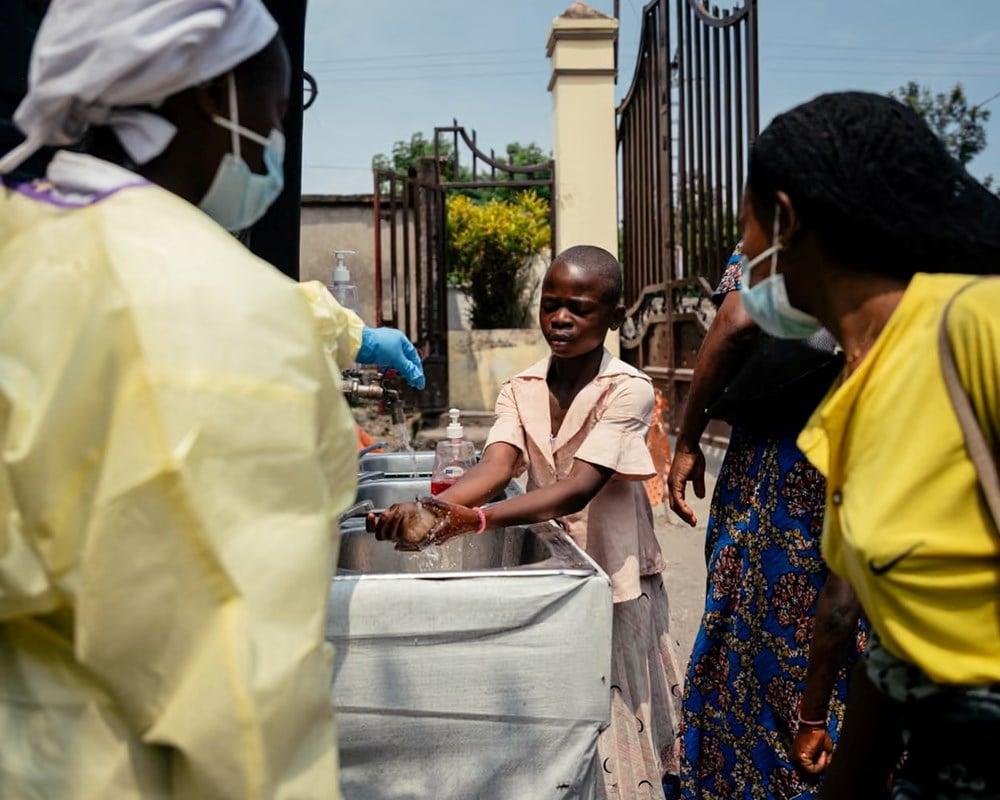
WHO Declares Uganda’s Ebola Outbreak Terminated After 42 Days Without New Cases
Key Takeaways
- Bundibugyo Ebola strain implicated in the outbreak.
- Outbreak began in Uganda on Sept 20, 2022, affecting DR Congo.
- WHO declared termination after 42 days without new cases on Jan 11, 2023.
Ebola trials, fast and halted
Le Monde.fr says an Ebola outbreak in Uganda that began on 20 septembre 2022 was declared officially terminated by the Organisation mondiale de la santé (OMS) on 11 janvier after 42 days without any new case declared.
“- Published Scientists at Oxford University are developing a new vaccine that could be ready for clinical trials within two to three months to help tackle the Ebola emergency”
The same article reports that the outbreak’s end marked the “coup d’arrêt” of a large clinical trial including three vaccines targeted against the “Soudan” strain of the MVE.
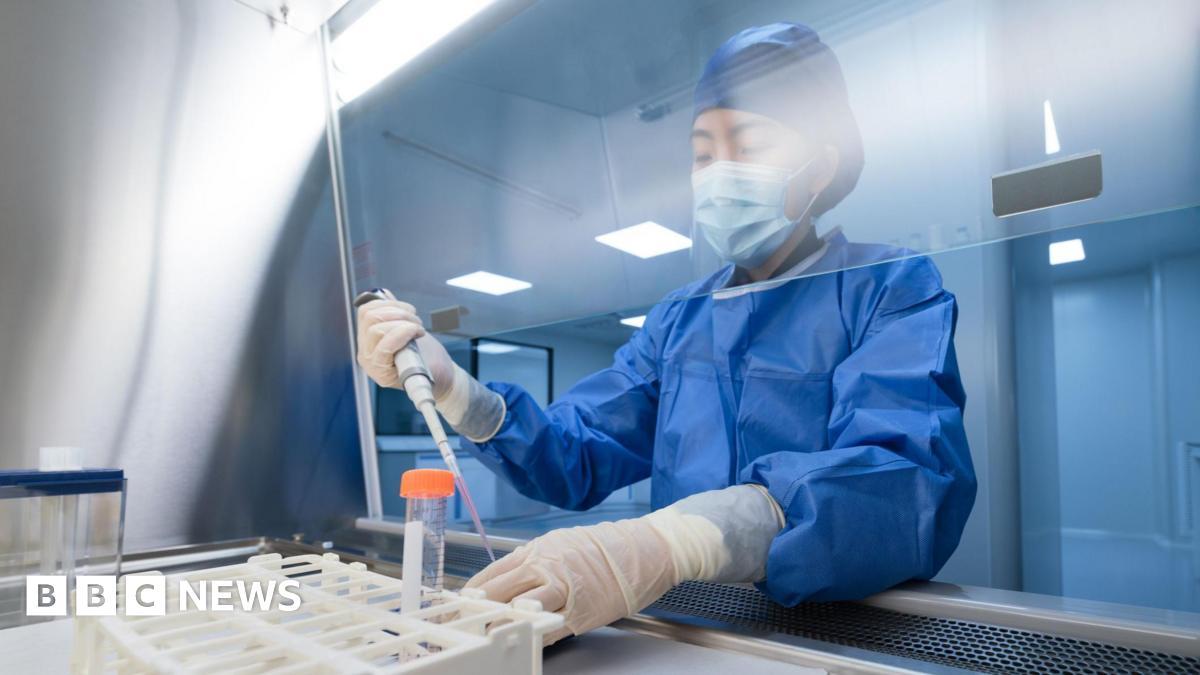
Le Monde.fr adds that the OMS enabled a test protocol and the sending of “plus de 5 000 doses” of three different vaccine types to Uganda in “soixante-dix-neuf jours.”
Eric Delaporte of the université de Montpellier said, “Comme l’épidémie a été vite jugulée, nous allons avoir des informations sur la tolérance du vaccin et sur la durée de vie des anticorps,” but also warned, “les résultats ne permettront pas de dire si les vaccins sont efficaces face à la maladie.”
Oxford’s ChAdOx1 push
The BBC reports that UK scientists at Oxford University are developing a vaccine for the rare Ebola species known as Bundibugyo, with the WHO saying it could be available for clinical trials in “two to three months.”
The BBC also says the risk from the current Ebola outbreak has been upgraded from “high” to “very high” in the Democratic Republic of Congo by the WHO, after the WHO declared a public health emergency of international concern on Sunday and stressed the outbreak was not a pandemic.
The Independent says Oxford scientists are working urgently to develop a vaccine that could be ready for clinical trials within months, and it describes the team testing the ChAdOx1 BDBV vaccine as a viral-vector approach.
BBC quotes Prof Lambe of the Oxford Vaccine Group saying, “Once we get starting material to them they can go fast and they can go big,” while also quoting the WHO spokesman warning, “It is possible that doses of that could be available for clinical trial in two to three months, but there is a lot of uncertainty.”
Where the science goes next
Vietnam.vn reports that the WHO Director-General Tedros Adhanom Ghebreyesus said the outbreak in the Democratic Republic of the Congo and Uganda has claimed 139 lives so far, and that the number could continue to rise.
“x Advertisement News UK scientists developing new Ebola vaccine that could be ready in months Friday 22nd May, 2026 04:36 PM| By BBC”
The same article says the WHO believes the process could take “6 à 9 mois” and that “plusieurs” technology-based alternative vaccines developed by the University of Oxford could enter clinical trials in the next “deux à trois mois.”
Vietnam.vn also states that the WHO said the unstable security situation in Ituri Province, where more than 100,000 people have been displaced due to armed conflict in recent months, is hindering efforts to contain the outbreak.
Chikwe Ihekweazu, head of the WHO’s Emergency Response Unit, said, “Our top priority now is to identify all current transmission chains,” linking the next phase of response to mapping spread amid access difficulties described by the WHO.
More on Technology and Science

WHO Upgrades Ebola Risk in Democratic Republic of the Congo to ‘Very High’
12 sources compared

Google Redesigns Search Box With Multimodal Inputs, AI Overviews, and Agentic Tasks
10 sources compared

WHO Raises Ebola Risk to Very High in Democratic Republic of Congo, Cites 177 Deaths
11 sources compared
Trump Sets Artemis Return To Moon In 2028, Delaying Astronaut Launches
15 sources compared