
Who pays the bill for the war on Iran? And who profits from it?
Key Takeaways
- Widening war against Iran impacts the global economy beyond battlefields.
- Energy markets, supply chains, and international shipping are clearly affected.
- Modern wars redraw profits and losses far from the field.
Global economic spillover from war
The widening war against Iran is not confined to battlefields; its repercussions are spilling into the global economy, reshaping energy markets, supply chains, and international shipping.
“With the widening war against Iran, its repercussions are no longer confined to the battlefields, but have rapidly extended to the global economy”
The article frames the central question as who bears the economic cost and who profits, noting that every military escalation creates a parallel battle in energy, transport, and defense industries.
Salam Khadr presents an initial picture: the economic impact is tied to key sea chokepoints—the Hormuz Strait, Bab al-Mandeb, and the Suez Canal—and to shifts in how ships move to avoid danger, raising voyage times and transport costs.
Africa, shipping routes, and chokepoint risks
Africa is increasingly affected as it relies on Middle East airports as hubs to Europe; air cargo difficulties threaten agricultural exports and trade, with higher transport costs.
Some African oil producers may benefit later from higher prices, but near-term losses in transport and trade loom larger.
The Hormuz Strait's vulnerability is underscored by its role in global trade: about 20% of world oil passes through it, 25% of oil shipped by sea, 30% of fertilizer trade, and 60% of sulfur produced for industrial markets.
Attacks on ships in the region have disrupted part of shipping, amid fears of naval mines, although a Turkish oil tanker named Rozana managed to cross the strait after coordinating with the Iranian side.
Affected economies, beneficiaries, and costs
Japan, South Korea, and India are among the most affected economies because of their heavy reliance on Middle East oil.
“With the widening war against Iran, its repercussions are no longer confined to the battlefields, but have rapidly extended to the global economy”
India has already increased purchases of Russian oil to compensate for regional disruptions, giving Russia a stronger position in the global energy market, while China continues to import Iranian oil during the war.
The conflict is described as a cost-escalation strategy: Israel sought to raise costs on Iran after October 7, 2023, and Tehran threatened to close Hormuz, potentially shifting the economic burden worldwide.
Russia and China are seen as beneficiaries, while European economies face inflationary pressures, prompting Germany and France to push toward stopping the war.
In the corporate sphere, defense and energy companies gain as stocks rise: Lockheed Martin up about 4 percent, RTX up, major oil stocks up about 1 percent, and U.S. shale stocks up about 10 percent.
From Washington, Lawrence Freeman notes that war funding comes largely from spending allocations approved by Congress, meaning higher public debt and inflation or higher fuel prices borne by taxpayers.
Costs, funding, and sector effects
Estimates place U.S. costs at between 40 and 100 billion dollars if the war drags on; the first week alone logged about 11.3 billion dollars, with expectations of up to 50 billion more.
Israel estimates economic losses of about 3 billion dollars per week due to the suspension of economic activity, with the budget needing an additional 13 billion dollars in support.
Despite the large costs, the escalation is seen as benefiting defense and energy sectors.
More on Iran
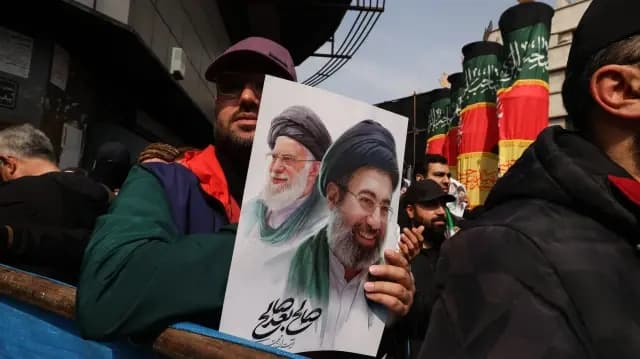
Russia Secretly Airlifts Iran's Supreme Leader Mojtaba Khamenei to Moscow for Surgery
11 sources compared
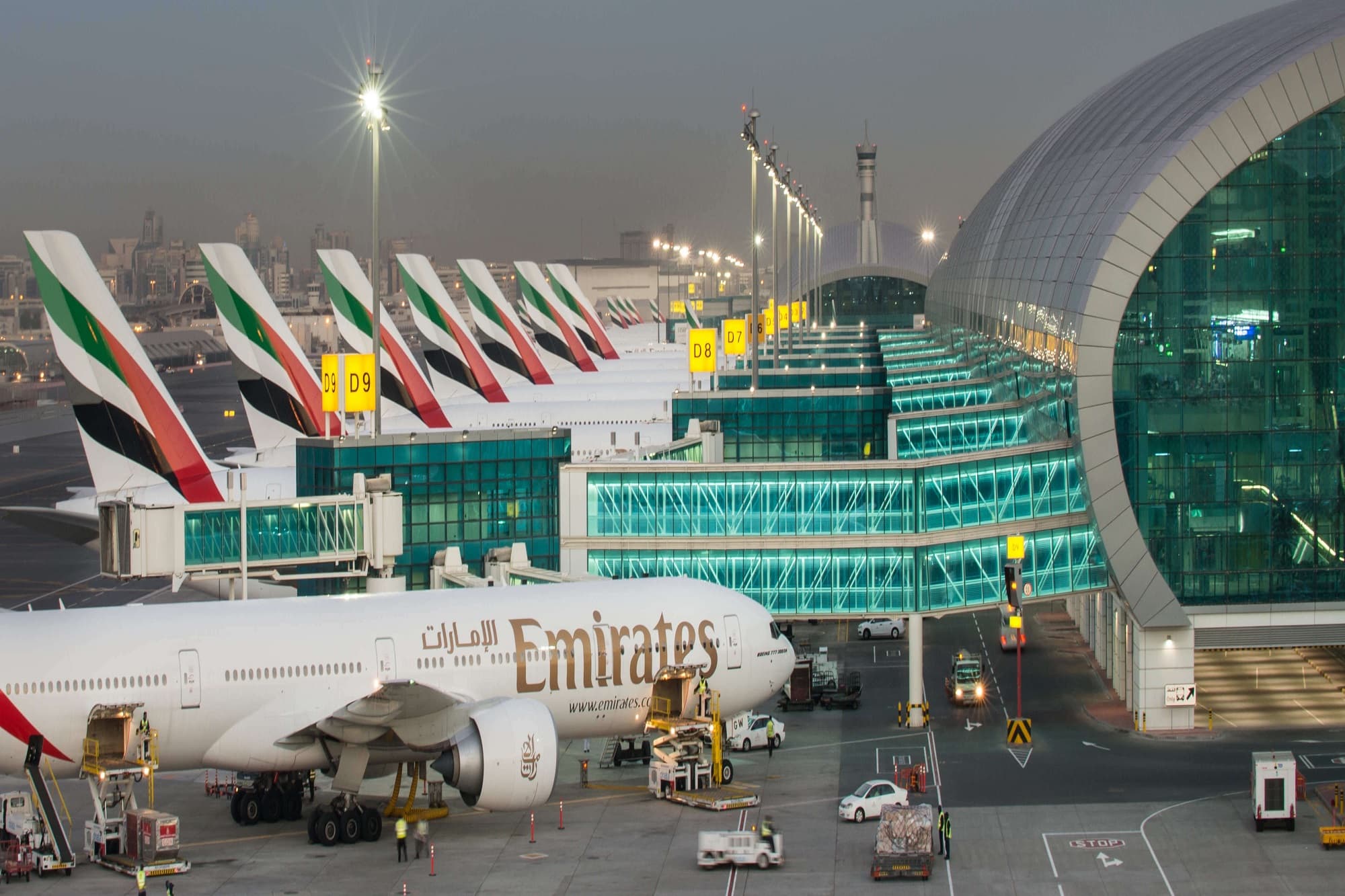
Iranian Drone Strike Shuts Dubai International Airport, Thousands Stranded
25 sources compared

Iran Drone Strike Shuts Dubai International Airport, Triggers Global Travel Disruption
16 sources compared

Iran's New Supreme Leader Mojtaba Khamenei Travels to Moscow for Leg Surgery
15 sources compared