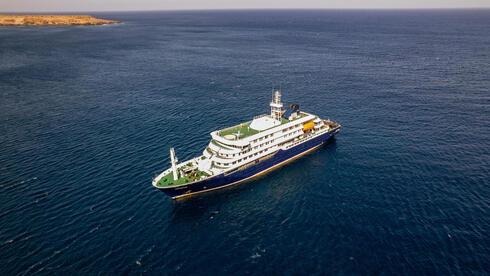
WHO Says Hantavirus Outbreak Kills Three on MV Hondius Cruise Ship in Atlantic
Key Takeaways
- Three people have died aboard the MV Hondius in an Atlantic hantavirus outbreak.
- WHO reports one confirmed hantavirus case and five suspected among six affected aboard.
- The ship was en route from Ushuaia, Argentina to Cape Verde when outbreak emerged.
Hondius outbreak: deaths and cases
A suspected outbreak of hantavirus on the MV Hondius cruise ship in the Atlantic Ocean killed three people and sickened at least three others, the World Health Organization and South Africa’s Department of Health said Sunday.
“01:11 01:25 01:02 02:58 02:31 02:10 23:17 20 Minutes avec AFP Publié le 04/05/2026 à 10h52• Mis à jour le 04/05/2026 à 12h37 Three people have died on a cruise ship, the MV Hondius, which links Ushuaia, Argentina, to Cape Verde”
The AP reported that WHO said an investigation was underway but that at least one case of hantavirus had been confirmed, and that one patient was in intensive care in a South African hospital while it worked with authorities to evacuate two others with symptoms from the ship.
The BBC said WHO reported one confirmed and five suspected cases aboard the MV Hondius, which was travelling from Argentina to Cape Verde, and that a 69-year-old UK national was in intensive care in Johannesburg.
The BBC also described the ship as a 107.6m (353ft) polar cruise ship with space for 170 passengers in 80 cabins, along with 57 crew members, 13 guides and one doctor, and it said there were about 150 tourists on board.
BFM said the vessel requested to dock at Praia, the capital of Cape Verde, on Monday morning, but that the request was refused to “protect the Cape Verdean population,” meaning passengers would not disembark.
CBS News reported that the Dutch company that operates the ship said it was sitting off the coast of Cape Verde and that local authorities were assisting but had not allowed anyone to disembark.
NPR similarly said WHO reported three people dead and one in intensive care in South Africa, and that at least six people were believed to have been infected, including one confirmed by a laboratory and five other suspected cases.
Route, timeline, and where victims fell ill
The outbreak unfolded on a voyage that South Africa’s Department of Health said began with the ship leaving Argentina about three weeks earlier, with visits that included Antarctica, the Falkland Islands and other stops, before it was due to head to Spain’s Canary Islands.
The AP said the Dutch-flagged MV Hondius had left Argentina around three weeks ago for a cruise that included visits to Antarctica, the Falkland Islands and other stops, and that it was due to ultimately head to Spain’s Canary Islands.

The BBC said the MV Hondius departed from Ushuaia in southern Argentina about three weeks ago before it completed its journey to Cape Verde, where it is anchored outside the capital, Praia.
The BBC also said the ship was travelling from Argentina to Cape Verde, and it described Praia as the place where the ship was anchored outside the capital.
CBS News and NBC News both said the ship remained off Cape Verde, with authorities there visiting the vessel but not authorizing disembarkation.
The victims’ movements were described in detail across outlets: the AP said a 70-year-old man died on the ship and his body was removed in the British territory of Saint Helena, and it said the man’s wife collapsed at an airport in South Africa trying to take a flight to the Netherlands and died at a nearby hospital.
The AP said the patient in intensive care in Johannesburg was a British national who fell ill near Ascension Island after the ship left Saint Helena and was transferred from there to South Africa.
NBC News added that a passenger from the U.K. became ill while the cruise ship was traveling from St. Helena to Ascension Island and was being treated in South Africa, and it said the ship left Ushuaia about three weeks ago.
The BBC also reported that the third person who died was Dutch and that efforts were under way to repatriate their body, along with a guest “closely associated” with them, Oceanwide Expeditions said.
WHO, South Africa, and the ship operator respond
Public health authorities and the cruise operator coordinated actions while the ship sat off Cape Verde.
“A rodent-borne illness is suspected of causing an outbreak aboard a cruise ship that has killed three people and sickened others”
The AP quoted WHO saying, “WHO is aware of and supporting a public health event involving a cruise vessel sailing in the Atlantic Ocean,” and it said “Detailed investigations are ongoing, including further laboratory testing, and epidemiological investigations. Medical care and support are being provided to passengers and crew. Sequencing of the virus is also ongoing.”
NPR similarly quoted WHO saying, “Detailed investigations are ongoing, including further laboratory testing, and epidemiological investigations. Medical care and support are being provided to passengers and crew. Sequencing of the virus is also ongoing,” and it said WHO was “facilitating coordination between” member states and the ship’s operators to evacuate two passengers showing symptoms.
The BBC reported that Oceanwide Expeditions confirmed the three passenger deaths and said it was dealing with “a serious medical situation,” while it also said two crew members required urgent medical care.
CBS News said the Dutch foreign ministry told AFP it was “busy looking at the possibilities to medically evacuate a few people from the ship,” and that if this could take place, the ministry would coordinate it.
BFM reported that Oceanwide Expeditions said at 11 p.m. on Sunday, “no authorization had been granted by Cape Verdean authorities to disembark passengers needing medical care or to provide assistance with medical screening,” and it said local health authorities had visited the ship to assess the two symptomatic individuals.
The BBC said authorities in Cape Verde had not given authorisation for crew members to disembark and go to hospital, and it quoted Oceanwide Expeditions: “Disembarkation and medical screening of all guests require co-ordination with local health authorities, and we are in close consultation with them.”
South Africa’s health ministry spokesperson Foster Mohale told the BBC that the man suddenly became ill with “fever, headache, abdominal pain and diarrhoea,” and the BBC also quoted microbiologist Siouxsie Wiles asking, “With this incubation period are we going to see more people coming down with the disease in the next days and weeks?”
How outlets frame the same outbreak
While the core facts of a suspected hantavirus outbreak on the MV Hondius were consistent, outlets emphasized different elements of the situation.
AP and CBS News both foregrounded the WHO confirmation and the ship’s location off Cape Verde, with AP saying WHO reported an investigation underway and that “at least one case of hantavirus had been confirmed,” and CBS News saying the WHO said one case was confirmed and five were suspected.
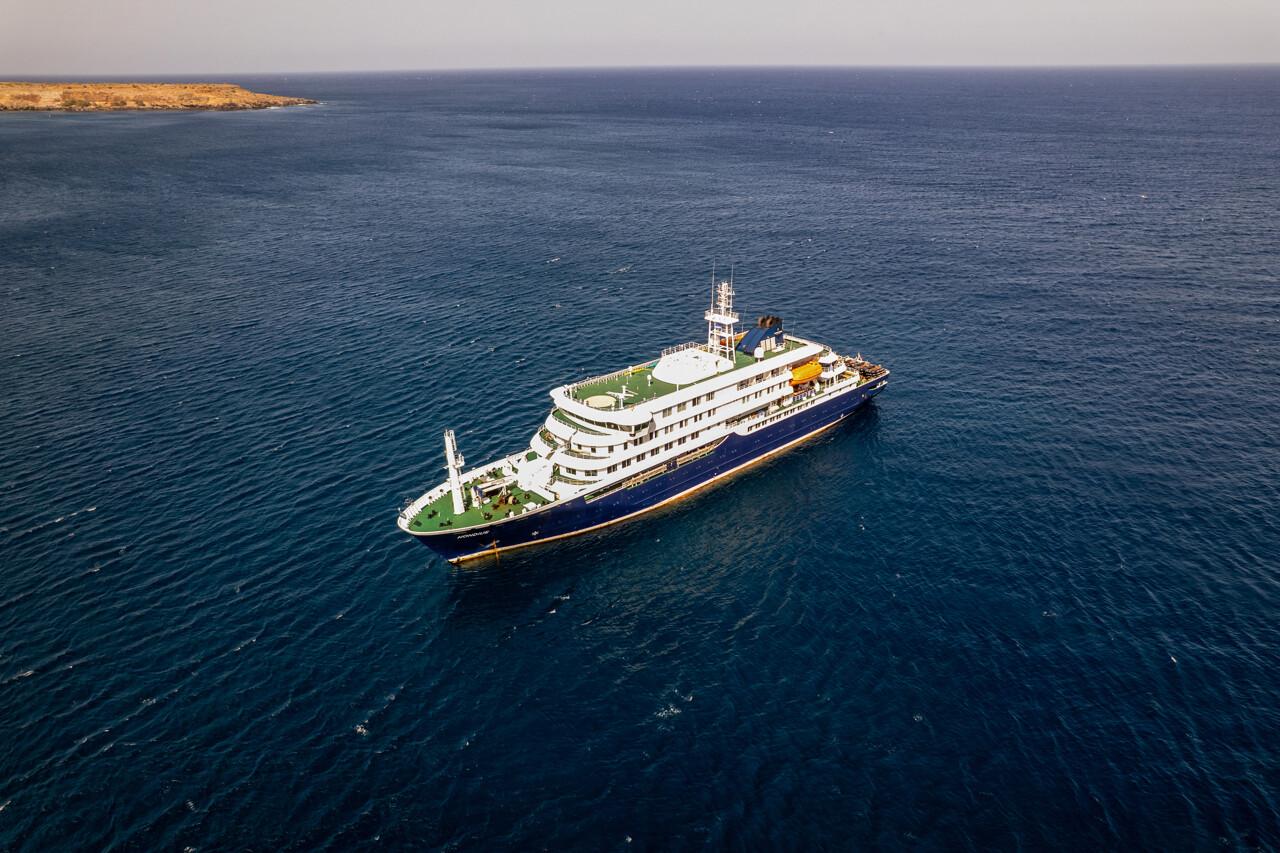
The BBC, by contrast, detailed the ship’s specifications and passenger and crew composition, describing the 107.6m (353ft) polar cruise ship with 170 passengers in 80 cabins, 57 crew members, 13 guides and one doctor, and it reported WHO’s “one confirmed and five suspected cases” aboard the MV Hondius.
BFM framed the immediate operational constraint by focusing on the refusal to allow docking at Praia and the resulting inability for passengers to disembark, quoting that the request was refused to “protect the Cape Verdean population.”
NBC News and AP both described the victims’ identities and movements, but NBC News added that a passenger from the U.K. had lab results that “tested positive for hantavirus,” while AP said WHO confirmed at least one case and described a British national in intensive care in Johannesburg.
NPR and AP both quoted WHO’s language about investigations, epidemiological work, and sequencing, but NPR also emphasized WHO’s coordination role by saying it was “facilitating coordination between” member states and the ship’s operators.
The BBC included a question from microbiologist Siouxsie Wiles about whether the incubation period would bring more cases, while AP and CBS News did not foreground that specific line of inquiry.
Across outlets, the operator’s stance was presented with different wording: the BBC quoted Oceanwide Expeditions saying it was dealing with “a serious medical situation,” while BFM quoted the company’s statement about the lack of authorization at 11 p.m. and its note that local health authorities had visited the vessel.
Risks, incubation, and next steps
The outbreak’s next phase depended on investigations, medical decisions, and the possibility of additional cases as symptoms could appear after an incubation period.
The BBC quoted microbiologist Siouxsie Wiles saying the time between people being exposed to hantavirus and showing symptoms could be anywhere from one to eight weeks, and it asked, “With this incubation period are we going to see more people coming down with the disease in the next days and weeks?”
AP and NPR both said WHO was conducting “Detailed investigations” including further laboratory testing and epidemiological investigations, and AP said “Sequencing of the virus is also ongoing.”
CBS News reported that WHO’s regional director for Europe, Dr Hans Henri P. Kluge, said in a statement Monday, “The risk to the wider public remains low. There is no need for panic or travel restrictions,” and it said Cape Verdi health officials said Monday the situation was under control but that it would not let the vessel dock at Praia.
BFM said investigations were underway and that WHO said the risk of spread was “low” and that it was not necessary to implement travel restrictions, while it also reported that passengers would all have to undergo medical screening requiring coordination with local health authorities.
South Africa’s National Institute for Communicable Diseases was conducting contact tracing in the Johannesburg region to identify if other people were exposed, AP reported, and it said WHO was working with national authorities and the ship’s operators to conduct a “full public health risk assessment” and provide support for those still onboard.
The operator’s immediate priority was medical care for symptomatic individuals, with NBC News quoting Oceanwide Expeditions: “The priority of Oceanwide Expeditions is to ensure that the two symptomatic individuals on board receive adequate and expedited medical care,” and it said the two symptomatic people remaining on board were crew members.
The AP also reported that local authorities had not allowed anyone to disembark and that the ship was now sitting off the coast of Cape Verde, while it said WHO was working with authorities to evacuate two others with symptoms from the ship.
Beyond the immediate response, outlets reiterated the lack of a specific treatment or cure: AP said there is no specific treatment or cure but early medical attention can increase the chance of survival, and NPR said the WHO described the need for careful patient monitoring, support and response.
More on Technology and Science

NHS Rolls Out One-Minute Keytruda Injection for 14,000 Cancer Patients in England
10 sources compared

OpenAI o1 Series Model Outperforms Harvard Physicians in Beth Israel Deaconess ER Diagnoses
13 sources compared

Israeli Telecom Infrastructure Used Spyware to Track Phones in Thailand, South Africa, Norway, Bangladesh, Malaysia
10 sources compared

Google Bought British Deepmind, Driving European Tech Value From Europe to the U.S.
11 sources compared