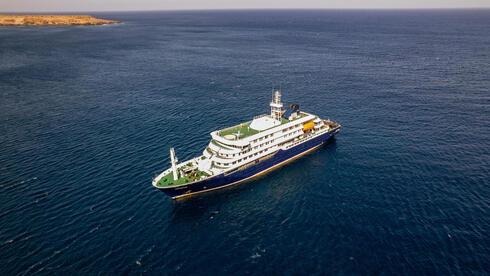
WHO Says Hantavirus Spreads Human-To-Human Aboard MV Hondius Off Cape Verde
Key Takeaways
- Three deaths linked to hantavirus on the Atlantic cruise ship Hondius off Cape Verde.
- World Health Organization cites possible human-to-human transmission aboard the Hondius.
- Spain agrees to dock and host the Hondius in the Canary Islands.
WHO flags close-contact spread
The World Health Organization said Tuesday it believes there was rare human-to-human transmission of hantavirus aboard the MV Hondius, a Dutch ship with nearly 150 people on board that had been awaiting help off the coast of Cape Verde. WHO epidemiologist Maria Van Kerkhove told reporters, "We do believe that there may be some human-to-human transmission that's happening among the really close contacts [on board]," and she added that the husband and wife and people who shared cabins were among those close contacts. CBS News reported that three fatalities had occurred, with two dying on board and a third dying shortly after disembarking, and it said there were four other suspected or confirmed cases. The WHO also said it had officially requested, in coordination with the European Union, that Spain host the Hondius in the Canary Islands, after Spain’s government said the ship could sail to the Canaries for a "full investigation" and "full disinfection."
Canary Islands reject docking
As the ship prepared to move toward Spain, the Canary Islands’ regional government opposed allowing it to dock, with leader Fernando Clavijo telling radio station COPE, "This decision is not based on any technical criteria, nor is there sufficient information to reassure the public or guarantee their safety." The BBC also reported that Clavijo said, "I cannot allow [the boat] to enter the Canaries," and he demanded an urgent meeting with Spain’s prime minister. Reuters and other outlets described evacuations and monitoring as the WHO insisted the overall public health risk remained low, with the BBC quoting Tedros Adhanom Ghebreyesus saying, "At this stage, the overall public health risk remains low." On board, Kasem Hato told Reuters that the captain was keeping passengers updated and that those on the MV Hondius were advised to limit close contact and use hand sanitizer regularly, saying, "People are taking the situation seriously but without any panic, trying to keep social distancing and wearing masks to be safe," as the ship waited for authorities to find a solution.
Evacuations, testing, and quarantine
The WHO said three people were evacuated from the MV Hondius and were being taken to the Netherlands for medical care, while the BBC reported that the evacuees were a 56-year-old Briton, a 41-year-old Dutch national and a 65-year-old German, according to the Netherlands' foreign ministry. CBS News said the WHO expected the ship to arrive in the Canary Islands in "three to four days" and that passengers and crew would undergo medical screenings before repatriation to their own countries. In Cape Verde, Ann Lindstrand told CBS News that Spanish and Dutch authorities were "intensely discussing" what would happen next, and she said if quarantine was needed it could be as much as two months because the incubation period for hantavirus is between one and eight weeks. The Express Tribune reported that South Africa’s National Institute for Communicable Diseases identified the Andes strain, and it quoted a presentation seen by Reuters saying, "This is the only strain that is known to cause human-to-human transmission, but such transmission is very rare and as said earlier, it only happens due to very close contact."
More on Technology and Science

Pennsylvania Sues Character Technologies Inc. Over Chatbots Posing as Licensed Doctors
13 sources compared
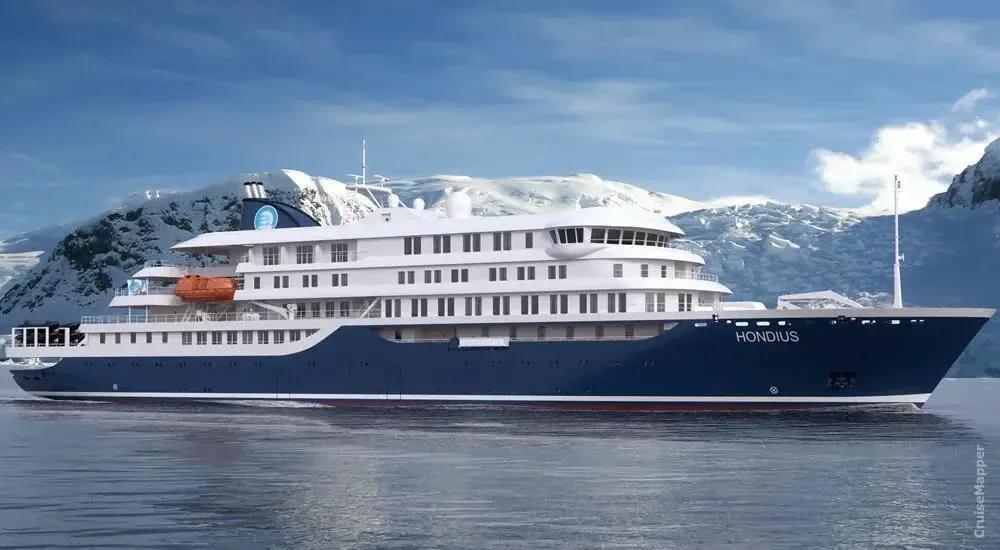
WHO Confirms Andes Hantavirus Strain in MV Hondius Passengers, With Possible Human-To-Human Spread
13 sources compared

Bumble Cuts Paid Users as Whitney Wolfe Herd Leads Gen Z Overhaul
10 sources compared

Catherine, Princess of Wales, Visits Reggio Emilia, Italy, May 13-14 Alone
16 sources compared