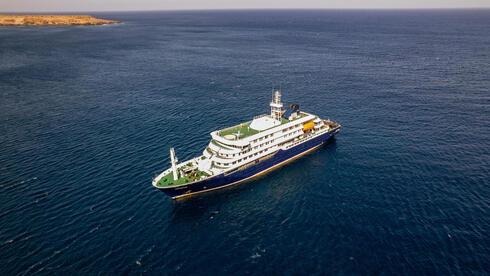
WHO Says Rare Human-To-Human Hantavirus Transmission Suspected Aboard MV Hondius Off Cape Verde
Key Takeaways
- Three people died on MV Hondius; hantavirus suspected, ship off Cape Verde.
- WHO cites possible human-to-human transmission; public risk low; evacuations planned for about 150.
- Two hantavirus cases confirmed on MV Hondius; investigation ongoing.
Cruise ship outbreak
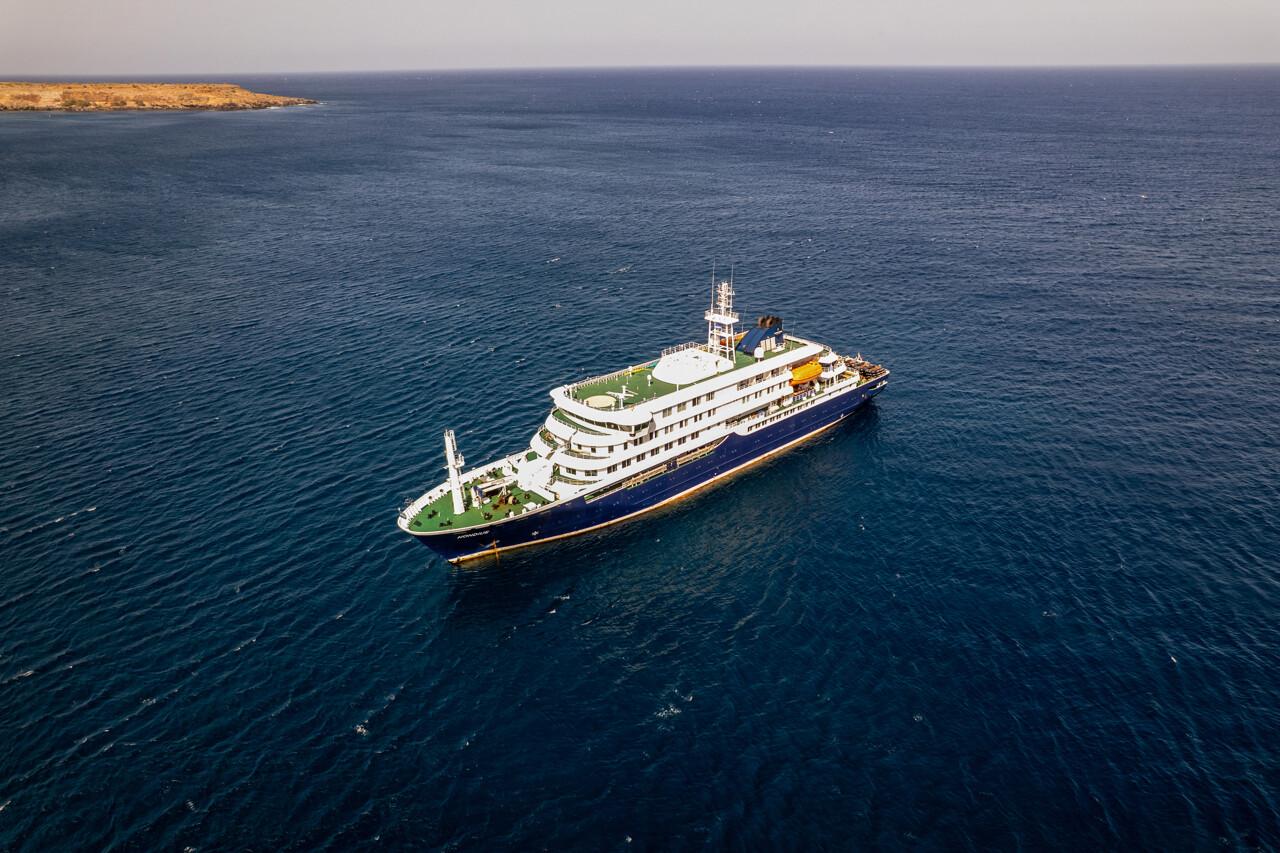
A suspected hantavirus outbreak on the Dutch-flagged MV Hondius has left three people dead and multiple others ill after the ship was stranded off the coast of Cape Verde in the Atlantic Ocean.
The World Health Organization said it believes there may be rare human-to-human transmission among “really close contacts [on board],” and WHO epidemiologist Maria Van Kerkhove described the pattern as involving “The husband and wife, people who've shared cabins, etc.”
CBS News reported that “three people now dead” had come down with the illness, while NBC News said at least three people have died and that WHO reported “two laboratory-confirmed cases and five suspected cases.”
The outbreak has been tied to the Andes variant, with NBC News stating WHO experts suspect it is the Andes variant, which is transmissible from person to person.
The ship’s operator, Oceanwide Expeditions, said the two ill crew members require urgent medical care and that “two specialized aircraft” are en route to Cape Verde to evacuate them.
The ship itself was described as “awaiting help off the coast of Cape Verde” after the African island refused to let it dock over public health concerns, and the Spanish government said Tuesday the ship could sail to the Canary Islands for a “full investigation” and “full disinfection.”
CBS News added that WHO requested, “in coordination with the European Union,” that Spain host the Hondius in the Canary Islands, and that the European Centre for Disease Prevention and Control (ECDC) was conducting a comprehensive examination to determine who needs urgent evacuation within Cape Verde itself.
Timeline and transmission
Investigators and public health officials have been working to determine whether the first infections originated on the ship or before boarding, as the timeline spans weeks across multiple remote stops.
Scripps News reported that WHO officials said the suspected outbreak “may not have originated on the ship,” and that “our assumption is that they were infected off the ship” based on the incubation period, which WHO described as “anywhere from one to six weeks.”

The AP described a nearly month-long gap between when an elderly Dutch man fell ill and when laboratory tests in South Africa confirmed hantavirus infections, noting that “nearly a month passed between when an elderly Dutch man fell sick and died” and the confirmation “more than 3,500 kilometers (2,174 miles) away.”
AP also laid out the sequence of deaths and symptoms: a 70-year-old Dutch man fell ill on April 6, died on April 11, and his body was taken off the ship on April 24 at St. Helena, while his 69-year-old wife disembarked with his body and died at a hospital on April 26 after becoming sicker during a flight to Johannesburg.
NBC News and USA Today both described the ship’s route from Argentina, with USA Today stating the ship departed from Argentina on April 1 and traveled across the Atlantic, including stops such as mainland Antarctica, South Georgia, Nightingale Island, Tristan da Cunha, Saint Helena and Ascension Island.
The WHO’s working assumption was described as involving the Dutch husband and wife, with NBC News stating “Van Kerkhove said the WHO’s working assumption was that the Dutch passengers who died, a married couple ages 69 and 70, were infected on the boat.”
At the same time, CBS News and WBUR emphasized the incubation window and the possibility that earlier infections occurred off the ship, with WBUR quoting Van Kerkhove saying “it's possible that the first and second cases were infected off the ship and then on board.”
Across the reporting, officials also said the ship had been told there were no rats on board, while WHO continued to assess the “extent of passenger contact with local wildlife during the voyage, or prior to boarding in Ushuaia,” which CBS News said “remains undetermined.”
WHO and passenger guidance
WHO officials and public health experts repeatedly framed the outbreak as serious for those affected while maintaining that the broader public risk remained low, and they issued guidance aimed at limiting contact on board.
CBS News quoted Maria Van Kerkhove saying, “We do believe that there may be some human-to-human transmission that's happening among the really close contacts [on board],” and she later told journalists that Spanish authorities “have said that they will welcome the ship to do a full investigation, a full epidemiologic investigation, full disinfection of the ship and of course ... assess the risk of the passengers that are actually on board.”
CBC News reported Van Kerkhove telling reporters in Geneva, “Some of the cases had very close contact with each other, and certainly human-to-human transmission can't be ruled out, so as a precaution, this is what we are assuming,” and she added, “This is not a virus that spreads like flu or like COVID. It's quite different.”
WBUR quoted Van Kerkhove explaining why human-to-human transmission could not be ruled out, saying “That's why we can't rule out human-to-human transmission,” and she also described the immediate priority as getting two sick individuals “medevaced.”
WBUR also quoted her on passenger behavior, stating that “The ship has advised that the passengers remain in their cabins” and that if they do need to leave, they should keep “some physical distancing apart.”
CNN similarly reported that Van Kerkhove said “The risk to the general public is low,” and that any suspected human-to-human transmission would have occurred between “very close contacts like married couples.”
In parallel, Oceanwide Expeditions described the onboard atmosphere as calm, with CNN quoting the company saying the atmosphere “remains calm” and that passengers were “generally composed.”
The guidance extended to medical evacuation planning, with NBC News saying the ship operator would evacuate two ill crew members via “two specialized aircraft” and then transport them to the Netherlands, while CBS News said passengers and crew would undergo medical screenings before repatriation once the ship arrived in the Canary Islands.
Different outlets, different emphasis
The reporting diverged in how it characterized the outbreak’s origin, the number of cases, and what authorities were doing next, even while agreeing on the core facts of deaths and suspected hantavirus.
CBS News emphasized WHO’s belief in rare human-to-human transmission and described the operational plan as involving medical screenings and repatriation after arrival in the Canary Islands, stating that “The remainder will continue their journey toward the Canary Islands, where they are expected to arrive within three to four days.”
NBC News, by contrast, focused on the immediate evacuation mechanics and the ship’s planned repositioning, saying the ship “will begin repositioning” with plans to travel to the Canary Islands, either Gran Canaria or Tenerife, after the patients are evacuated.
AP News highlighted the investigative timeline and distance, stating that the outbreak unfolded over weeks and that laboratory confirmation occurred “more than 3,500 kilometers (2,174 miles) away,” while also describing the ship’s waiting status off West Africa and the number of passengers and crew “from 23 countries.”
USA Today framed the outbreak as a cluster on a ship carrying “more than 140 passengers and crew,” and it said WHO called the risk to the rest of the world low while continuing to monitor.
Scripps News stressed that the outbreak “may not have originated on the ship,” while CBS News and WBUR allowed for the possibility that the first and second cases were infected off the ship and then on board, with WBUR quoting Van Kerkhove on incubation and personal contact between the husband and wife.
CNN and CBC both centered on the human-to-human transmission question, but CNN’s emphasis was on evacuations from Cape Verde and the role of Spanish authorities, while CBC’s emphasis included expert commentary that “People really do need to understand that there are different degrees of person-to-person transmission.”
Even the count of cases varied by outlet’s framing: NBC News said “two laboratory-confirmed cases and five suspected cases,” while NPR said “two confirmed and five suspected hantavirus cases among the 147 passengers and crew members,” and USA Today said “seven cases, including two lab-confirmed and five suspected cases.”
Across these differences, the common thread was that WHO and national health ministries were coordinating investigations, disinfection, and evacuation routes, including Spain’s plan for “full investigation” and “full disinfection” and WHO’s request that Spain host the ship in the Canary Islands.
Evacuations, quarantine, next steps
As the Hondius remained anchored off Cape Verde, authorities laid out next steps that included evacuations, disinfection, and potential quarantine measures tied to the incubation period.
CBS News reported that Spain’s Ministry of Health said epidemiologists would conduct a review Tuesday afternoon, with the stated purpose to “assess the condition of the people on board, determine whether there are more individuals with symptoms, and identify any high-risk or low-risk contacts,” and it said the review would “help inform decisions regarding repatriation processes and the ship's route.”
CBS News also described a possible quarantine duration, quoting Ann Lindstrand, the WHO representative in Cape Verde, saying the incubation period is between one and eight weeks and that “the quarantine, if necessary, could be as much as two months,” adding “eight weeks in a horribly long time to be in quarantine.”
CBC News and CNN both emphasized that the risk to the general public remained low, but they still described ongoing contact tracing and additional evacuations, with CNN saying authorities initiated contact tracing for those on the flight to Johannesburg with the Dutchwoman who later died.
CNN reported that “Two air ambulances will evacuate the three individuals from Cape Verde,” and it said a medical specialist was expected to arrive to help passengers aboard the ship.
NBC News stated that Oceanwide Expeditions said both crew members and another person will be medically evacuated via two specialized aircraft that are en route to Cape Verde, and that after the patients are evacuated the ship would begin repositioning toward the Canary Islands.
WHO’s plan also included ECDC involvement, with CBS News quoting WHO that “The European Centre for Disease Prevention and Control (ECDC) is conducting a comprehensive examination of the ship to determine which individuals require urgent evacuation within Cape Verde itself.”
The consequences of the outbreak were also reflected in the human dimension of the response, with NBC News quoting a passenger’s plea: “All we want right now is to feel safe, to have clarity, and to get home,” Jake Rosmarin said.
In the background, experts and WHO officials continued to stress that hantavirus is typically rodent-borne, while acknowledging that the Andes strain may spread between people, and CBS News said the agency believes the virus has been passed from person to person on the ship.
More on Technology and Science

PayPal Reorganizes Into Three Units To Accelerate AI Adoption And Save $1.5 Billion
13 sources compared

ShinyHunters Claims Instructure Breach Stole Data From Nearly 9,000 Schools And 275 Million Individuals
14 sources compared

Greg Brockman Testifies OpenAI Will Spend $50 Billion on Computing in Musk v. Altman Trial
12 sources compared

Colorado Braces For Late-Spring Snowstorm With 2 To 6 Inches In Denver Metro
19 sources compared