
Africa · 24 April, 2026 · 6 min read
William Ruto Sparks Uproar After Mocking Nigerian-Accented English In Italy
Ruto said Nigerian English is incomprehensible and needs a translator. Remarks sparked widespread social media backlash accusing him of demeaning Nigeria across Africa.
Framing of the reaction to Ruto's remarks (condemnation/backlash vs humor/banter).
6 of 7 outlets skipped it: a date note stating that a video was first posted by Kenyan Digital News on April 20 related to the remarks..
7outlets compared
Same story, two versions
tap a side to read it in full
BBC
“The remarks have led to widespread reactions on social media, with many users criticising the Kenyan leader for showcasing a "deep inferiority complex rooted in colonial conditioning".”Read the original ↗
The Star
“Some users treated the comments as light-hearted banter between African countries, while others criticised the comparison, arguing that differences in English usage across the continent are largely influenced by accents, local languages and expressions rather than proficiency.”Read the original ↗
Illustrates a stark contrast in how outlets frame the same event: as a genuine insult and broader colonial critique versus a joking, mixed reception that included light-hearted banter.
Ruto’s translator remark
Kenyan President William Ruto sparked an uproar after publicly suggesting that Nigerian-accented English was incomprehensible and required a translator, drawing laughter in the room and fierce condemnation online.
“"If you listen to a Nigerian speaking, you don't know what they are saying - you need a translator"”
In remarks to Kenyans living in Italy on Monday, Ruto said: "If you listen to a Nigerian speaking, you don't know what they are saying - you need a translator," while adding that Kenyans spoke "some of the best English in the world."
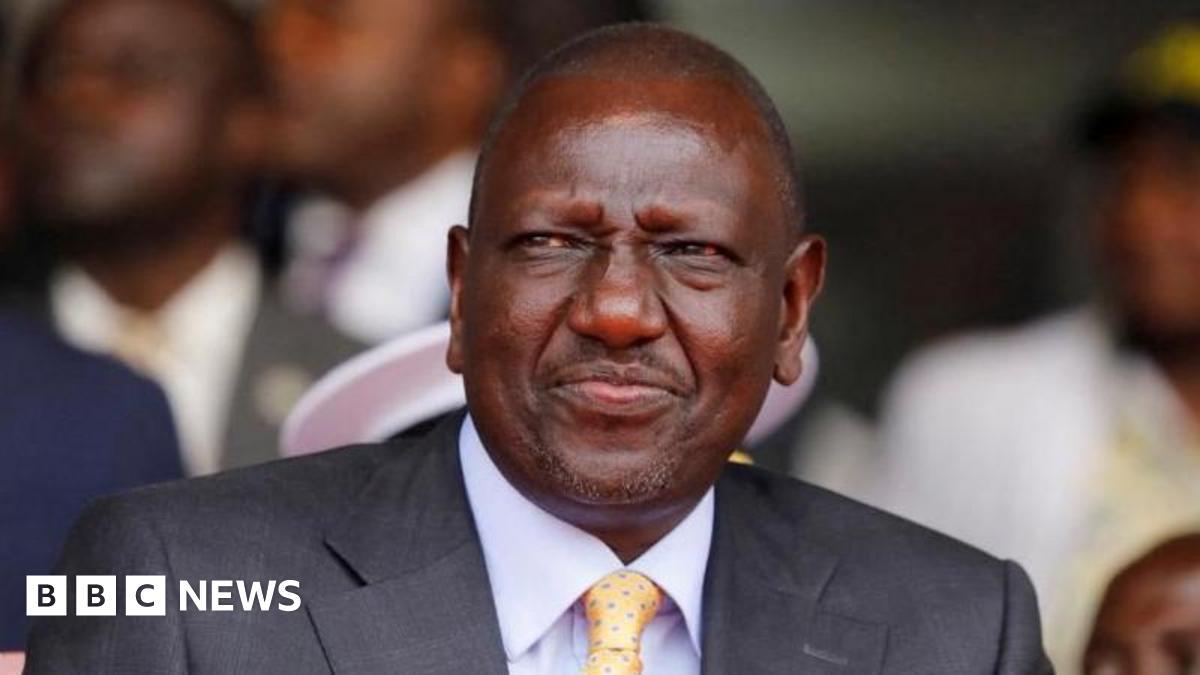
The Star similarly described the exchange as Ruto telling an audience: "If you listen to a Nigerian speak English, you will need a translator, even when they are speaking English," with participants breaking into laughter.T
TheCable reported Ruto’s comments as: "Kenyans, you know our education is good, our English is good. We speak some of the best English in the world… that is true," followed by the translator line.
BBC said the remarks came as Ruto addressed Kenyans living in Italy and boasted that Kenya’s education system produced strong English proficiency.B
Kursiv Media also tied the controversy to the same core comparison, saying Ruto suggested Nigerian English could be difficult to understand, prompting laughter from the audience.
Across the coverage, the central dispute is not whether English is shared, but whether Ruto’s framing demeaned Nigerians’ spoken English.
Language, colonial legacies
The backlash drew on arguments about English as a colonial language and on the idea that accents reflect local linguistic histories rather than intelligence or national progress.
BBC reported that Nigerians and other Africans online accused Ruto of demeaning a fellow African nation, and it quoted Zimbabwean journalist Hopewell Chinono writing: "English is a colonial language, not a measure of intelligence, capability, or national progress."B
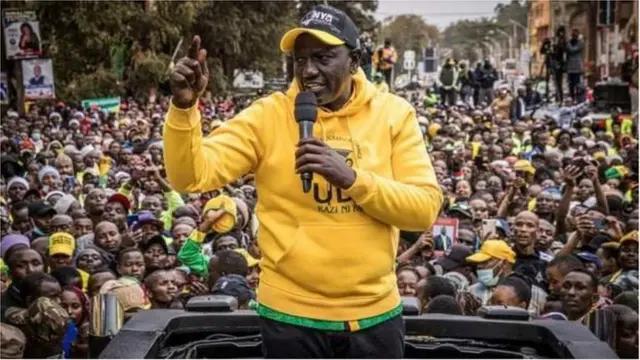
BBC also said both Kenya and Nigeria share English as an official language, but each country developed distinct spoken varieties with different phonetic structures shaped by indigenous languages.B
It described Nigeria as having "more than 500 languages" that shape cadence and intonation, while Kenya’s Bantu, Nilotic and Cushitic mix gives rise to its own accents.
TheCable likewise framed the issue around shared English as lingua franca and said Nigeria has over 500 languages which shape the cadence and intonation of English across the country, while Kenya’s Bantu, Nilotic and Cushitic mix give rise to its own accents.
The Eastleigh Voice described the episode as reigniting debate over language and post-colonial identity, saying critics accused Ruto of reinforcing colonial-era attitudes.
Daily Trust added a different angle by quoting a user, Frank Bryant, asking: "Why should Africans be competing over who speaks the colonial masters language very well?"
Literary jabs and political echoes
Critics also responded by invoking Nigeria’s literary heritage and by linking the language spat to earlier political rhetoric between Kenya and Nigeria.
“"Ruto is mocking the English of the country with a Nobel Prize for literature winner.The Nation of Achebe and Chimamanda,"”
BBC reported that Shehu Sani, a former Nigerian senator, posted on X: "Ruto is mocking the English of the country with a Nobel Prize for literature winner.The Nation of Achebe and Chimamanda," referring to Wole Soyinka, Chinua Achebe and Chimamanda Ngozi Adichie.B
TheCable repeated the same Shehu Sani line on X, again tying the argument to Nigeria’s Nobel laureate Wole Soyinka and authors Chinua Achebe and Chimamanda Ngozi Adichie.
The Eastleigh Voice similarly quoted Shehu Sani writing: "Ruto is mocking the English of the country with a Nobel Prize for literature winner. The Nation of Achebe and Chimamanda," and it described the remarks as sparking accusations of cultural insensitivity and reigniting debate over language and post-colonial identity.
Beyond literature, multiple outlets connected the controversy to comments by Nigerian President Bola Tinubu earlier in the month.
BBC said Tinubu faced backlash from Kenyans online after stating that Nigerians were "better off than those in Kenya and other African countries" despite rising fuel prices at home, and it noted that while Ruto did not reference Tinubu directly, some online interpretations suggested Ruto’s remarks may be in response.B
The Eastleigh Voice provided Tinubu’s quoted remarks during a state visit to Bayelsa State on Friday, April 10, 2026, saying Tinubu told a crowd in Yenagoa: "Look around, let us thank God together, that you are better off than those in Kenya and other African countries."
Different takes on the same clip
While all outlets covered the same core remarks, they differed in how they characterized the dispute and what they emphasized about reactions.
BBC described the episode as leading to "widespread reactions on social media" and said there has been "no official response from Ruto's government," while also noting that some Kenyans defended him online by arguing critics misunderstood the intent and missed the humour.B
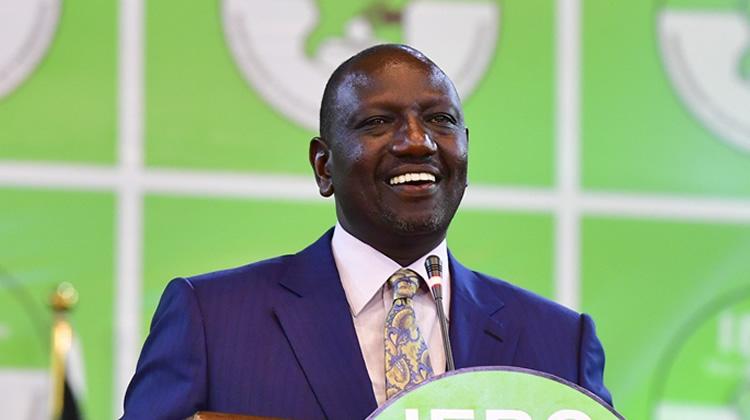
Kursiv Media similarly said the remarks were "widely criticized online," but it also included that some commentators emphasized English should not be used as a measure of intelligence or national development.
The Star framed the moment as part of a broader discussion at the Africa We Build Summit, saying Ruto made the comments while discussing Kenya’s education system and the competitiveness of its human capital, and it described the tone as "light-hearted" with video clips circulating on X.T
It also included a counterpoint from X users, quoting one post: "This is just accent talk. No need for outrage, Africans should relax," and another: "We should stop comparing English and focus on trade and development."
The Eastleigh Voice, by contrast, leaned into the idea of cultural insensitivity and post-colonial identity, saying critics across the continent accused Ruto of demeaning a fellow African nation and reinforcing colonial-era attitudes.
Daily Trust and Punch Newspapers both described the exchange as a response to Tinubu, with Daily Trust quoting Tinubu’s line about being "better off" and Punch Newspapers describing Tinubu’s remarks while inaugurating projects in Yenagoa.
What’s at stake next
The reporting frames the stakes as both political and social, with the language dispute feeding into a pattern of cross-border online rivalry and broader economic comparisons.
“intense, humorous and sometimes volatile cyber wars on platforms like X”
BBC described frequent "intense, humorous and sometimes volatile cyber wars on platforms like X" between Kenyans and Nigerians, saying exchanges often revolve around economic comparisons, pop culture and sport and, more recently, political remarks.B
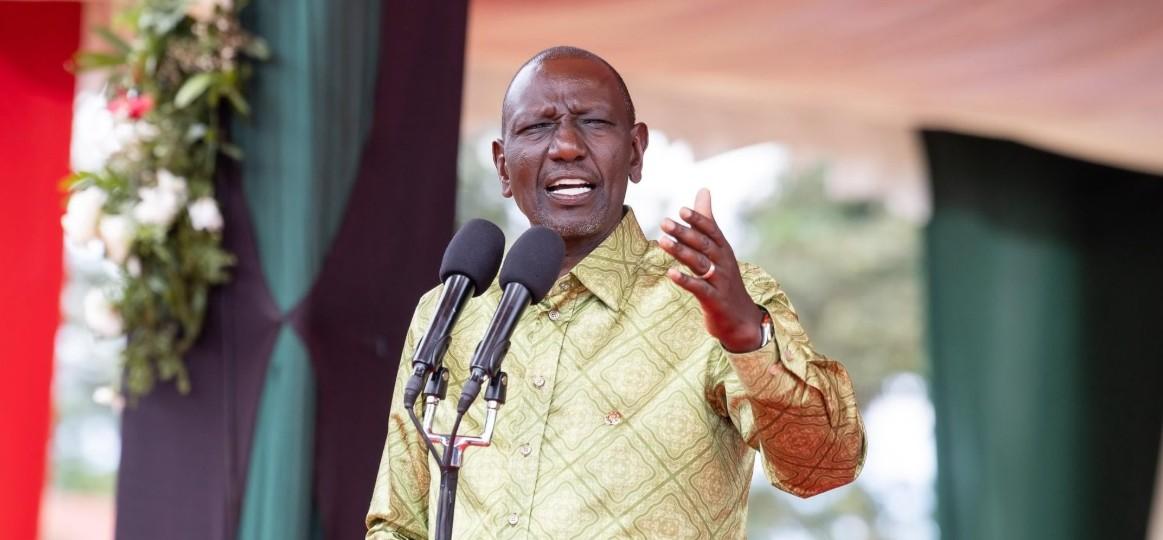
It also connected the controversy to earlier online tensions after Tinubu’s "better off" comment, suggesting the English remarks may have been interpreted as part of that same cycle.
The Eastleigh Voice described the episode as reigniting debate over language and post-colonial identity, and it said some users urged African leaders to focus on pressing domestic issues such as the rising cost of living and unemployment rather than comparisons over language.
Daily Trust similarly said the exchange sparked widespread reactions on social media, with users criticizing both the comparison and the tone of the remarks, and it quoted one user, Bureau-39, arguing: "Let’s not drag the whole country into this shit between two incompetent mad corrupt politicians."
The Star said by Friday the remarks were still trending online, driven largely by memes and commentary, and it described mixed reactions among users in Nigeria and Kenya.T
Punch Newspapers added that the remarks come amid broader economic pressures across Africa, including rising fuel prices linked to global supply disruptions, and it referenced tensions in the Middle East and concerns about the Strait of Hormuz.