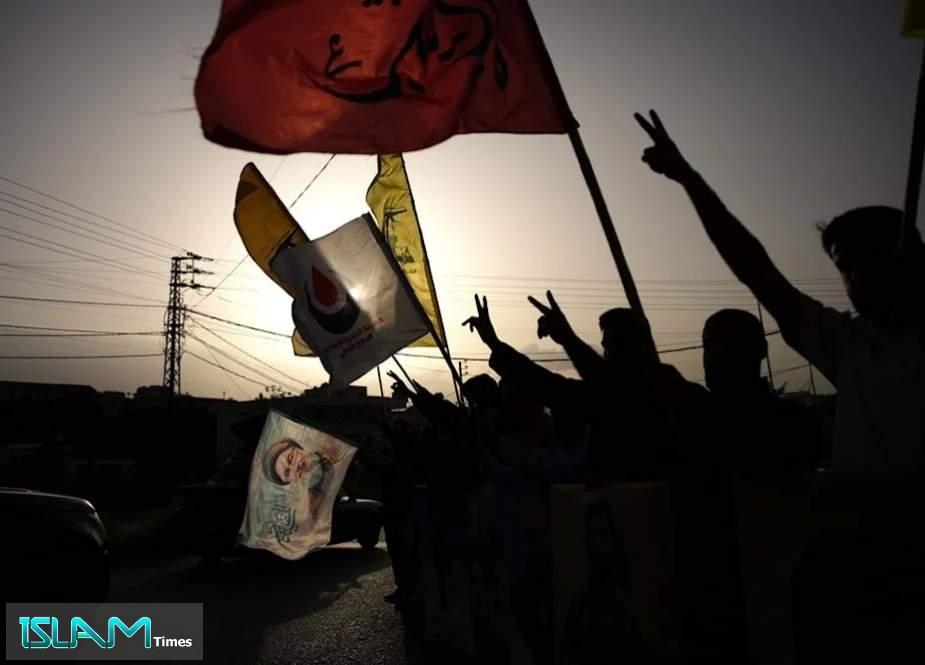
Yemen’s Ansarullah and Palestinian Factions Hail Lebanon Ceasefire Victory Over Israel
Key Takeaways
- Ansarullah and Palestinian factions hailed Lebanon ceasefire as victory for Hezbollah and Axis of Resistance.
- Ansarullah expressed solidarity with Hezbollah and the Lebanese people.
- Ceasefire described as historic victory for the resistance against Israel.
Ceasefire Announced in Lebanon
A ceasefire announced in Lebanon has triggered immediate, sharply opposed reactions across the region, with Yemen’s Ansarullah movement and multiple Palestinian factions hailing the announcement as a victory for Hezbollah and the “axis of resistance against Israel.”
“Israel starts a tense ceasefire in Lebanon, as Trump sounds optimistic on Iran talks Attention turned to Lebanon Thursday night to see if a new ceasefire, announced by President Trump, would pause the fighting by Israel and the Iran-backed militant group Hezbollah”
PressTV says the political bureau of Yemen’s Ansarullah issued a statement congratulating “the fighters of Hezbollah movement and the Lebanese people” on a “historic” victory, adding that “The heavy losses inflicted on the enemy ultimately forced it to surrender and accept a ceasefire in Lebanon.”

The same PressTV account says the ceasefire was announced by US President Donald Trump during a White House address and that “the truce would take effect at midnight Lebanon time.”
Islam Times similarly reports that the ceasefire was announced on Thursday by Trump and that “the truce would take effect at midnight Lebanon time,” while also describing the outcome as the result of “heroic” steadfastness of the Resistance.
Pars Today frames the event as a “humiliating defeat” for the “Zionist enemy,” quoting Ansarullah’s political bureau that “Heavy casualties forced the Israeli enemy to surrender and resort to the option of a ceasefire in Lebanon.”
NPR, meanwhile, describes the ceasefire as a “ten-day ceasefire” that Israel and Lebanon agreed to, with Israel vowing to keep its forces in southern Lebanon and “attack if threatened by Hezbollah.”
NPR also reports that Israel’s ambassador to the United Nations, Danny Danon, said the ceasefire would take effect at “5 p.m.” and warned, “We will have to follow very carefully what's happening on the ground. And if we will feel threatened, we will react,” while adding, “We are not going anywhere. We are holding our positions.”
Who Says What About Causes
Across the sources, the ceasefire’s cause is described in competing ways, with resistance-aligned outlets attributing it to battlefield losses and unity across the “axis of resistance,” while NPR emphasizes conditionality and ongoing operational posture.
PressTV and Islam Times both tie the ceasefire to “heroic” steadfastness and “heavy losses” inflicted on Israeli forces, with PressTV saying the outcome was “the result of “heroic” steadfastness of the resistance which led to the humiliating defeat of the Israeli army and its clear failure to achieve any of its war’s declared objectives.”
PressTV adds that “The heavy losses inflicted on the enemy ultimately forced it to surrender and accept a ceasefire in Lebanon,” and Islam Times echoes that “the heavy losses inflicted on the Israeli occupation forces led to their failure to achieve declared war objectives and ultimately forced them to accept the ceasefire.”
Pars Today similarly quotes Ansarullah’s political bureau that “failed to achieve its declared objectives,” and that “awe was shattered by the resilience of Hezbollah's fighters.”
NPR, however, frames the ceasefire as temporary and contested, reporting that Israel vowed to keep its forces in southern Lebanon and “attack if threatened by Hezbollah,” and that there was “uncertainty whether the ceasefire would hold.”
NPR also reports that Iran has said it would not engage in negotiations with the United States unless Israel entered into a ceasefire in Lebanon, and that Trump sounded optimistic again about negotiations with Iran.
In the same NPR account, Israel’s ambassador Danny Danon is quoted warning about reacting if threatened, saying, “We will have to follow very carefully what's happening on the ground. And if we will feel threatened, we will react.”
The NPR narrative also includes a longer escalation timeline, saying the latest chapter of fighting escalated after “Israel and the U.S. launched attacks on Iran on Feb. 28,” and that “Within a few days, Hezbollah began firing rockets into northern Israel.”
Resistance Voices and Israeli Pushback
The ceasefire announcement prompted resistance-aligned leaders to characterize it as a forced outcome and to set conditions for adherence, while Israeli political figures criticized it as surrender.
“Ansarullah: Zionist enemy suffered a humiliating defeat in Lebanon Pars Today - Yemen's Ansarullah movement, while congratulating Hezbollah's historic victory in Lebanon, has announced that the Zionist enemy suffered a humiliating defeat”
PressTV quotes Hassan Fadlallah, a member of the Lebanese parliament, saying Iran’s ambassador in Beirut informed Lebanese officials that “a ceasefire will begin Thursday night,” and describing the agreement as the result of “Iran’s diplomatic efforts.”
PressTV adds that Fadlallah said “Iran’s authorities will monitor US compliance with its commitments under the agreement,” and that “the resumption of Iran-US negotiations is contingent upon the implementation of these commitments.”
Fadlallah also stressed that Hezbollah’s adherence depends on “a complete halt to all hostile actions,” according to PressTV.
On the resistance side, Hamas spokesman Hazem Qassem is quoted in PressTV saying, “The Islamic resistance in Lebanon has proven Israel's inability to impose the will of the occupying regime on the dynamic forces of the Lebanese people.”
PressTV also includes a statement from the Popular Resistance Committees describing the ceasefire as “a great victory for the Islamic resistance and Hezbollah,” and it quotes the group saying the position of the axis of resistance is “firm and strategic and can change the calculations of the enemies.”
In contrast, PressTV reports that “Outraged Israeli political figures cried foul,” including Itan Davidi, head of the illegal settlement of Margaliot, who told Israel’s Channel 12 that the agreement was not a victory but “a disgrace and a complete surrender to Iran and the United States.”
NPR adds another Israeli voice through Danny Danon, who told reporters, “We are not going anywhere. We are holding our positions,” and warned that if Israel “feel threatened” it would react.
Timing, Duration, and Conflicting Details
Even as the ceasefire was announced, the sources provide different details about timing and duration, reflecting how the same event is being described through different lenses.
PressTV and Islam Times both say the truce would take effect at “midnight Lebanon time,” with PressTV stating that Trump announced the ceasefire during a White House address and that “the truce would take effect at midnight Lebanon time.”
Islam Times likewise reports “the truce would take effect at midnight Lebanon time,” and it ties the announcement to Trump’s Thursday statement.
NPR, however, describes a “10-day ceasefire” that “went into effect Thursday night,” and it adds that Israel’s ambassador to the United Nations, Danny Danon, said the ceasefire would take effect at “5 p.m.”
NPR also reports that Lebanon’s state-run National News Agency said Israeli army shelling and gunfire continued in parts of southern Lebanon after the designated start time.
NPR’s account also emphasizes that Israel vowed to keep its forces in southern Lebanon and that Hezbollah urged Lebanese who had fled violence in their villages in southern Lebanon to hold off going back for their safety.
In addition, NPR reports that Hezbollah acknowledged the ceasefire in a statement but urged caution, and it says the ceasefire was intended to pause the war between Israel and Iran-backed Hezbollah militants.
The divergence in the sources is not limited to timing: PressTV and Islam Times describe the ceasefire as a “historic” victory and attribute it to “heroic” steadfastness and “heavy losses,” while NPR frames it as a tense, conditional pause with uncertainty about whether it would hold.
What Comes Next and Stakes
The sources portray the ceasefire as a gateway to further diplomacy while also warning that it depends on compliance and continued restraint, with multiple actors linking adherence to monitoring and negotiations.
“Yemen’s Ansar Allah movement and several Palestinian factions have welcomed the recently announced ceasefire in Lebanon, describing it as a victory for Hezbollah and the broader Axis of Resistance against “Israel”
PressTV says Fadlallah told Lebanese officials that “Iran’s ambassador in Beirut informed Lebanese officials that a ceasefire will begin Thursday night,” and it reports that “Hassan Fadlallah” said “Iran’s authorities will monitor US compliance with its commitments under the agreement.”
PressTV further states that “the resumption of Iran-US negotiations is contingent upon the implementation of these commitments,” and it adds that Fadlallah stressed Hezbollah’s adherence depends on “a complete halt to all hostile actions.”
NPR similarly describes the ceasefire as a pause in a wider negotiation environment, reporting that Iran has said it would not engage in negotiations with the United States unless Israel entered into a ceasefire in Lebanon, and that Trump sounded optimistic again about negotiations with Iran.
NPR also says Trump told reporters he “might” go to Pakistan if there was a peace deal to sign, and it reports that Pakistan’s army chief Asim Munir visited Tehran to revive talks, with the article saying he was in Iran’s capital Tehran “to secure a second round of U.S.-Iran negotiations ahead of April 22.”
NPR adds that the White House press secretary Karoline Leavitt said the Pakistanis “are the only mediator in this negotiation” and that Vice President Vance said a sticking point was Iran’s refusal to commit to abandoning its nuclear ambitions.
NPR’s stakes section also includes casualty and displacement figures attributed to Lebanese authorities and Israeli authorities, saying “Israeli strikes have killed more than 2,100 people and displaced over 1 million in Lebanon,” and that Hezbollah’s attacks have killed “at least 12 Israeli soldiers and two civilians.”
Even resistance-aligned outlets frame the ceasefire’s continuation as conditional on halting hostile actions, with PressTV quoting Fadlallah on Hezbollah’s dependence on “a complete halt to all hostile actions,” and with Islam Times saying Fadlallah stressed Hezbollah’s adherence is conditional on “a complete halt to Israeli aggression.”
More on Lebanon

Israel And Lebanon Begin 10-Day Ceasefire As UNIFIL Reports Airspace Violations
25 sources compared

Nabih Berri Rejects Direct Negotiations With Israel, Calls Civil Peace a Red Line
13 sources compared
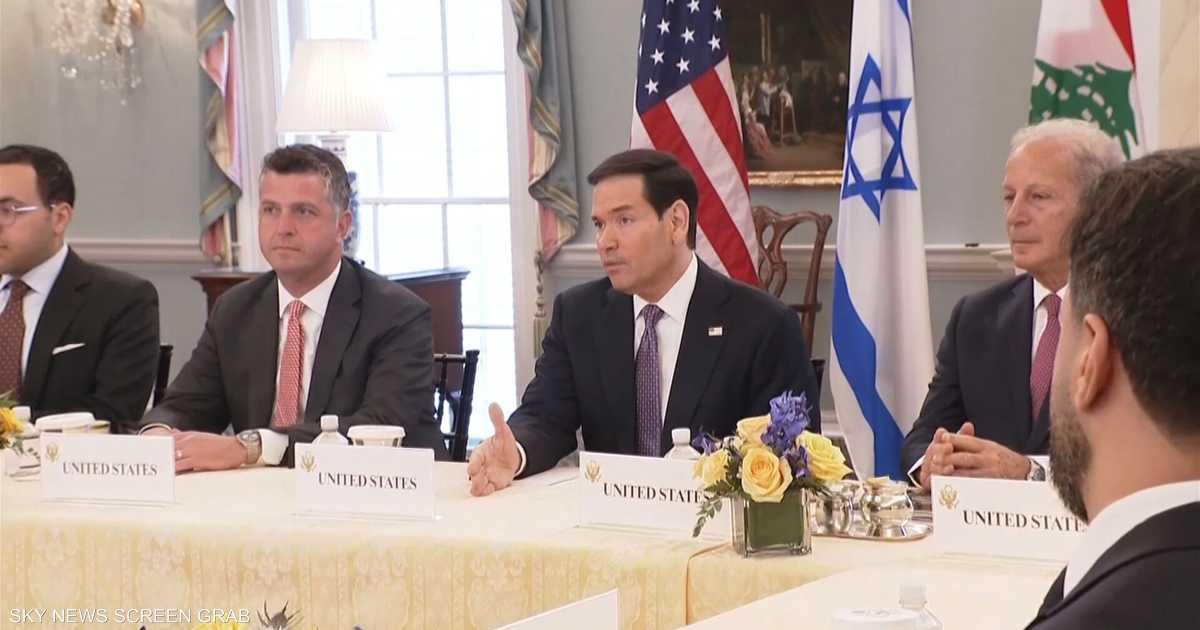
Israel-Lebanon 10-Day Ceasefire Takes Effect as Hezbollah Fighting Pauses
19 sources compared

Trump Announces 10-Day Israel-Lebanon Ceasefire Starting Thursday at 5 P.M. ET
30 sources compared