You turn to us for voices you won't hear anywhere else.
Key Takeaways
- Israel continues to pummel Lebanon as the conflict resumes against Hezbollah.
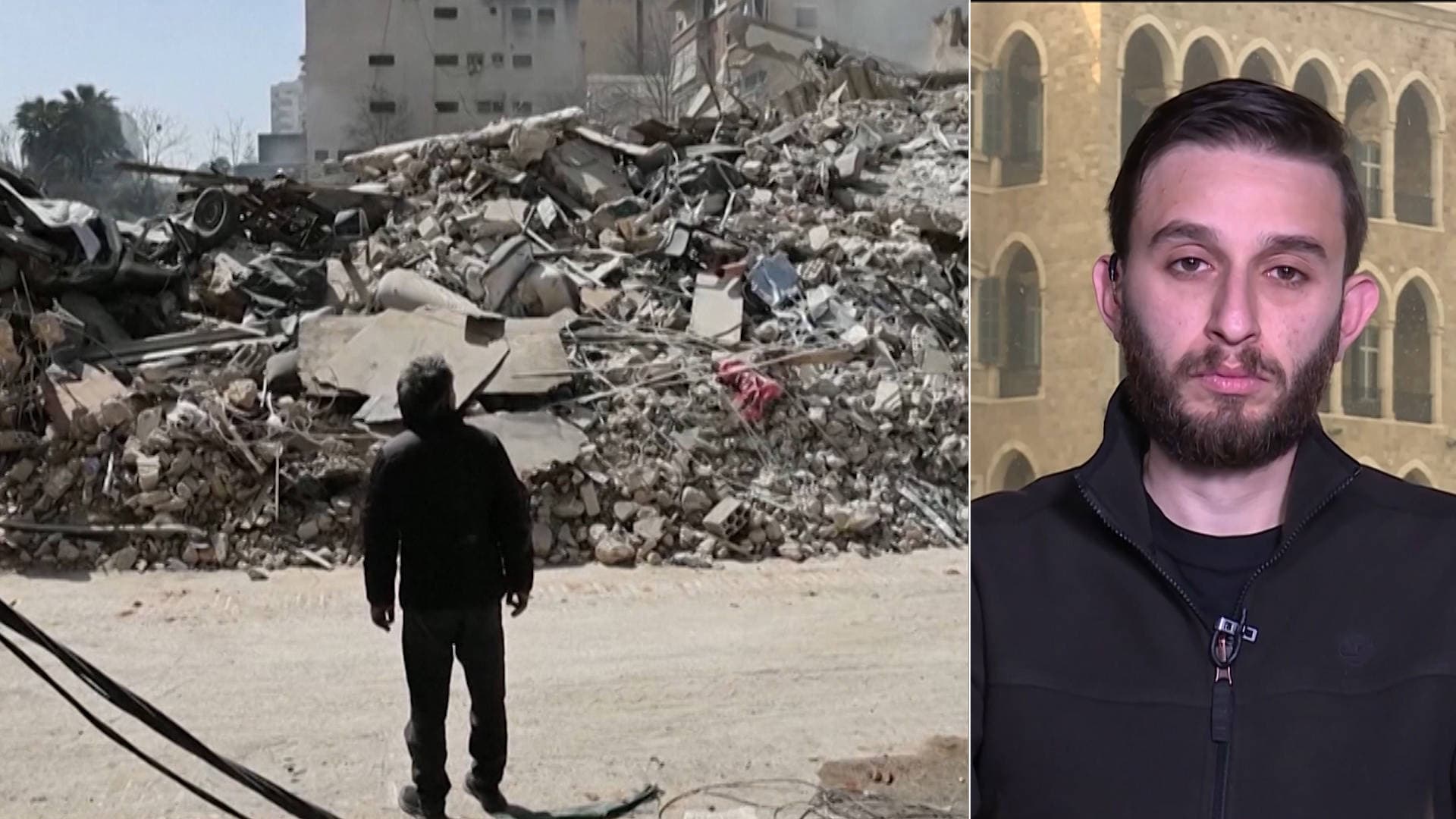
- AP reporter Kareem Chehayeb in Beirut provides the on-ground update.
- The current three weeks of fighting resemble the past seven to eight months.
Intense fighting and humanitarian impact
In Lebanon, Israel continues its heavy ground invasion of South Lebanon alongside air and artillery strikes against Hezbollah, creating a mounting humanitarian crisis.
“As Israel continues to pummel Lebanon in its resumed war against the country and the Hezbollah paramilitary, we get an update from Associated Press reporter Kareem Chehayeb in Beirut”
More than 1 million people have been displaced by Israeli strikes, evacuation orders across Lebanon.
Lebanese health officials report more than a thousand people have been killed and thousands injured since fighting began earlier this month, including at least 40 medical workers and over 100 children.
A spokesperson for the UN High Commissioner for Human Rights warned that airstrikes destroying entire residential buildings in dense urban environments raise serious concerns under international humanitarian law, and that deliberate attacks on civilians or civilian objects can amount to war crimes.
Fears are growing of a long-term occupation of southern Lebanon as fighting broadens.
Direct talks and mediation efforts
Lebanon’s government has proposed direct negotiations with Israel to stop the fighting and discuss Lebanon’s disarmament of Hezbollah and expanded security role for the Lebanese army.
President Joseph Aoun telephoned President Emmanuel Macron to urge France to initiate a diplomatic initiative, with France backing mediation.
Officials say the talks would reaffirm Lebanon’s commitment to disarming Hezbollah and securing state control across the country.
Israel appears keen on talks, but the goal of the talks appears to be very different at the moment, and Hezbollah insists on an end to fighting and Israeli withdrawal before any negotiations.
The Lebanese government, meanwhile, is trying to act as a humanitarian intermediary, navigating a difficult position between the combatants.
Domestic divisions and regional reactions
Hezbollah remains a divisive force inside Lebanon, admired by some as a defender of southern Lebanon and criticized by others as acting for Iran and undermining Lebanese sovereignty.
“As Israel continues to pummel Lebanon in its resumed war against the country and the Hezbollah paramilitary, we get an update from Associated Press reporter Kareem Chehayeb in Beirut”
The war has deepened internal tensions and revived debates over Lebanon’s regional orientation, with displacement, fuel shortages, and inflation straining daily life.
Some residents support Hezbollah’s right to fight, while others oppose a broader regional conflagration and point to roughly $11 billion in damages from past and present violence.
Tens of thousands of Syrian refugees have returned to Syria as the conflict reshapes regional dynamics.
Reactions to threats by Bezalel Smotrich to demolish Beirut’s southern suburbs and calls by the U.S. ambassador to Israel, Mike Huckabee, have added to regional tensions and condemnations.
Journalists targeted amid fighting
The Lebanese journalist Mohammed Sherri was killed when his home was bombed, his wife killed and his children and grandchildren injured.
In a separate strike, an Israeli missile hit nearby as RT journalist Steve Sweeney reported, injuring him and his cameraman; both were hospitalized.
Press freedom groups condemned these attacks as war crimes.
Earlier in the last war, Reuters video journalist Issam Abdallah was killed, underscoring the dangers reporters face in this conflict and the ongoing risks to media workers covering events on the ground.
More on Lebanon
Israel Strikes Hezbollah Targets in Beirut After Evacuation Warnings
13 sources compared
UAE Dismantles Terrorist Network Linked to Iran and Hezbollah, Arrests 109
19 sources compared

Israel Attacks Lebanon as Missile Lands Near RT Reporter
31 sources compared

Israel Attacks Beirut, Building Flattened; Death Toll Rises
10 sources compared