
Zack Polanski Apologises After Golders Green Knife Attack Post Criticises Metropolitan Police Officers
Key Takeaways
- Polanski apologised for sharing a post criticising police over Golders Green arrest.
- He had previously expressed concern about police actions and urged proportionate responses.
- Met chief defended the response; ministers criticised Polanski and Starmer questioned his leadership.
Golders Green row
Britain’s political debate over policing and protest language intensified after Green Party leader Zack Polanski apologised for sharing a post critical of Metropolitan Police officers following the Golders Green knife attack.
The Independent reported that Polanski appeared on Sky News on Sunday (3 May) and conceded it “wasn’t appropriate” to share the critical post, adding he should have voiced his views with Sir Mark Rowley, the chief of the Met Police.
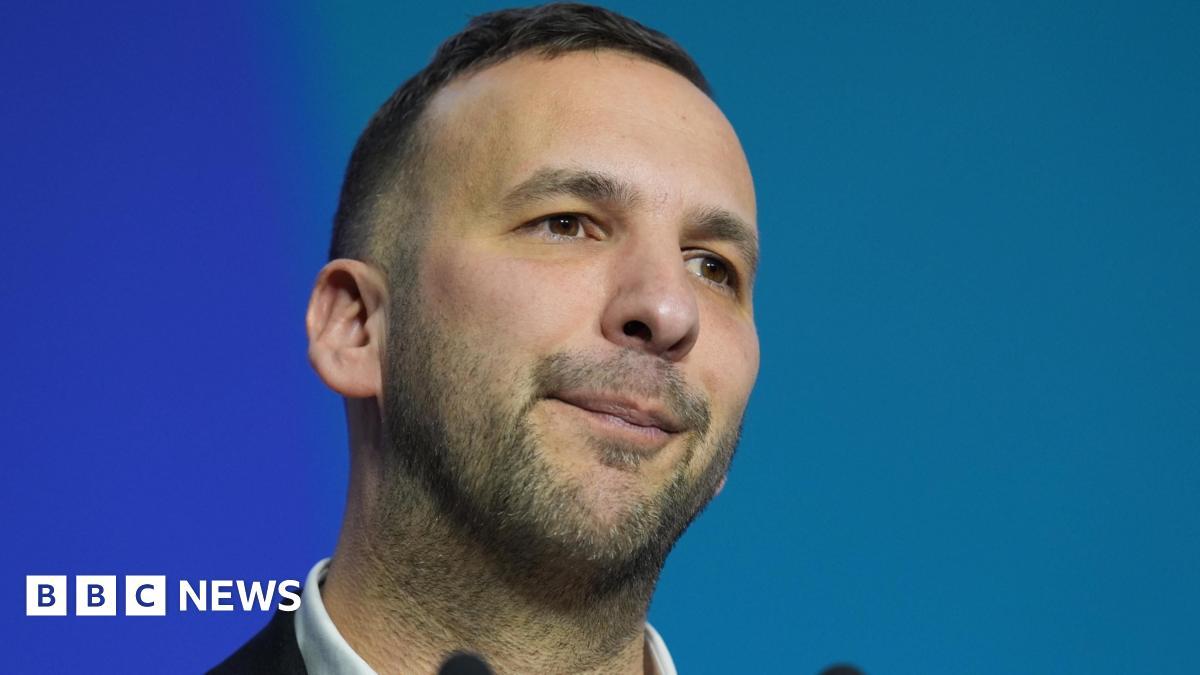
The Guardian said Polanski apologised for sharing a social media post critical of police following the Golders Green stabbings after Rowley said the Green leader risked undermining public confidence in his officers.
In the BBC’s account, Polanski told the broadcaster he remains concerned over the actions of police officers who arrested the suspect in the Golders Green attack, even after apologising for “sharing a tweet in haste.”
The dispute centres on a post on X alleging officers “repeatedly and violently kicking a mentally ill man in the head” when he was already incapacitated by a stun gun, a claim Rowley described as “inaccurate and misinformed commentary.”
ITV News said Polanski’s statement came after Rowley wrote to him that the post had been “inaccurate and misinformed,” and that a meeting would take place after the local elections.
Across outlets, the same core facts recur: two Jewish men were stabbed in Golders Green, the suspect was arrested, and Polanski’s repost triggered backlash from senior politicians and the Met’s leadership.
What Polanski shared
The controversy began with Polanski resharing a social media post that accused arresting officers of using excessive force during the detention of the Golders Green stabbing suspect.
The Independent described the shared post as alleging that the officers who arrested the suspect “repeatedly and violently kicked a mentally ill man in the head” when he was already incapacitated, and said Polanski later apologised.
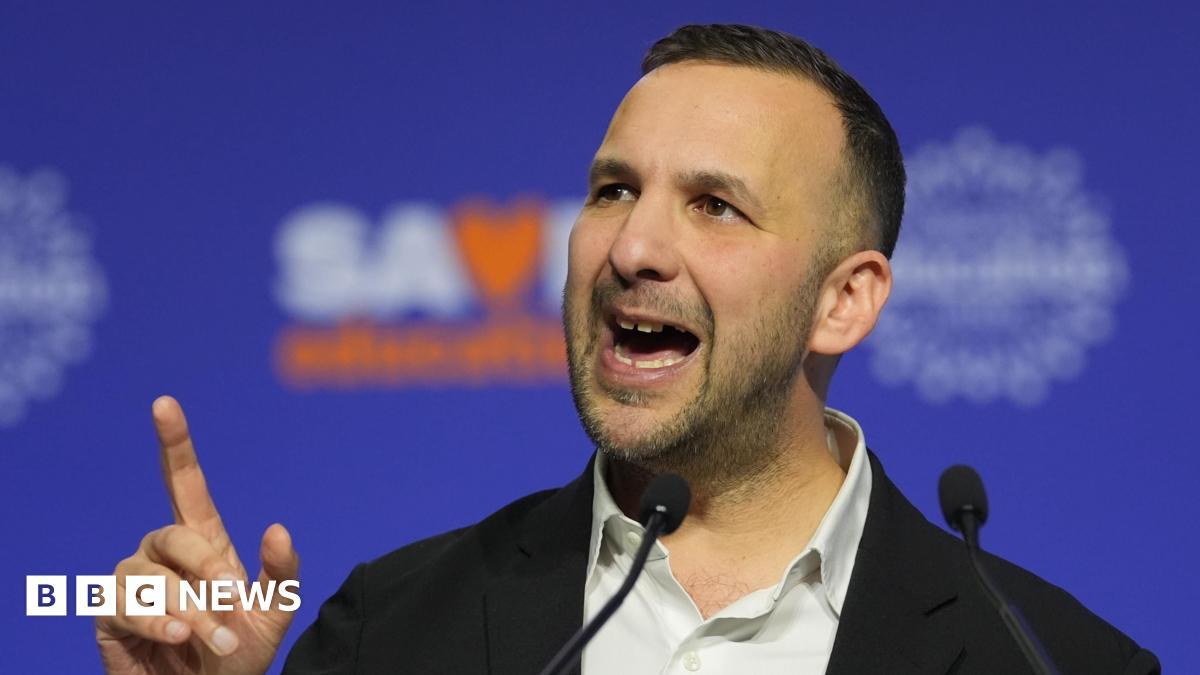
The Guardian similarly said Polanski retweeted, without comment, a post on X alleging that officers were “repeatedly and violently kicking a mentally ill man in the head” when he was already incapacitated by a stun gun.
BBC coverage placed Polanski’s apology in the context of his continuing concern, quoting him as saying everyone who works in public service “should not be above scrutiny” and that action must be “proportionate no matter how brave.”
ITV News reported that Polanski’s statement came after the Met Police commissioner, Mark Rowley, wrote to him that the post had been “inaccurate and misinformed,” and said Polanski invited Rowley to meet him to “discuss the police response and the wider issues raised in his letter.”
In the BBC’s account, Polanski told Sunday With Laura Kuenssberg that he was “very concerned by what I saw and I remain concerned,” while also arguing that social media was “not the appropriate forum to have that concern.”
The Mirror and HuffPost UK both framed the backlash as a deepening row, with the Mirror quoting Transport Secretary Heidi Alexander saying “Those police officers ran towards danger” and that the man “still had a knife in his hand.”
Together, the accounts show Polanski’s position after the apology: he accepted the forum was wrong, but he continued to stand by the underlying concern about the police response.
Rowley, Starmer, and ministers
Met Police chief Sir Mark Rowley and senior government figures attacked Polanski’s repost and argued it could undermine confidence in officers.
“- Published Zack Polanski said he remains concerned over the actions of police officers who arrested the suspect in the Golders Green attack, after previously apologising for sharing a critical social media post”
The Guardian reported that Rowley had described the claim as “inaccurate and misinformed commentary” and praised the officers as “nothing short of extraordinary,” adding: “Without their efforts to stop him, I dread to think what the outcome could have been.”
ITV News quoted Rowley’s letter warning that Polanski’s decision to criticise officers “will have a chilling effect,” and said “London’s Jewish communities are scared.”
The BBC said Rowley told the BBC that the letter was not an “intervention to politics,” adding: “I’m simply dealing with operational policing and defending my officers because I want them to have confidence to protect Londoners.”
Prime Minister Keir Starmer, appearing before Polanski’s apology, called the actions “disgraceful” and said politicians wading in was unfair on police making split-second decisions, according to the Guardian.
The BBC quoted Starmer’s line that he was “disgraceful” and “not fit to lead any political party,” and the Mirror and HuffPost UK repeated that critique through ministers including Steve Reed and Heidi Alexander.
The Mirror quoted Steve Reed saying it was “shameful” that Polanski was “still questioning the police’s response,” and said “Brave police officers ran towards unknown danger.”
The Mirror also quoted Heidi Alexander saying: “I thought it was disgusting what he did and absolutely abhorrent,” and describing the officers as “armed only with a taser that they had already discharged.”
In HuffPost UK, Alexander said “Those police officers ran towards danger” and that “The guy still had a knife in his hand,” while also arguing that Polanski’s retweeting showed he was “not fit to lead a political party.”
Across these accounts, the same officials and themes recur: Rowley’s operational defence of officers, Starmer’s political condemnation, and ministers’ insistence that the repost was inappropriate during heightened tension.
Protest language and bans
The policing row quickly merged into a broader argument about protest language and whether some chants should be prosecuted or marches restricted.
The BBC said Prime Minister Sir Keir Starmer called for police to prosecute people chanting “globalise the intifada” during demonstrations, labelling it an example of “extreme racism.”
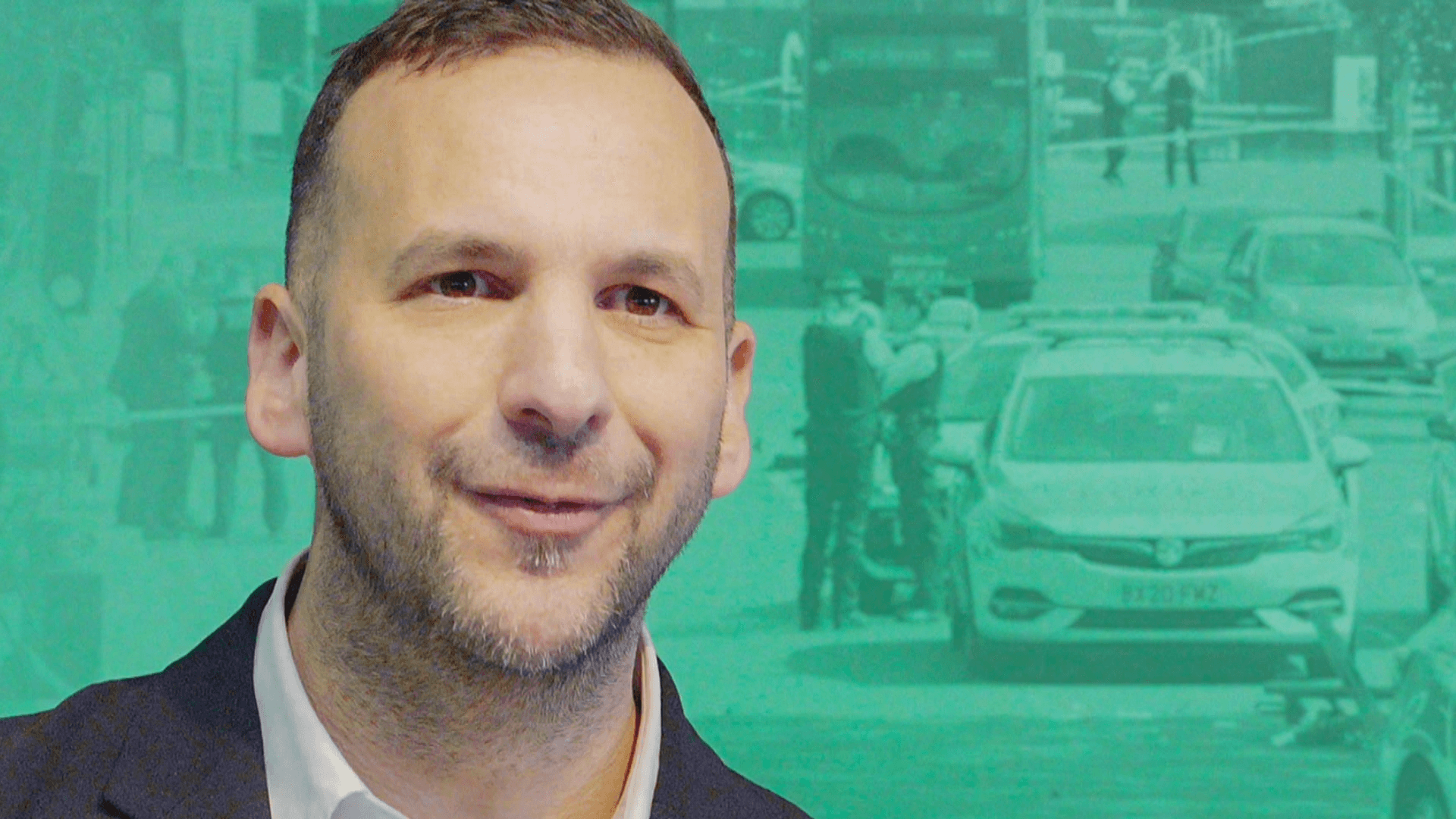
The BBC reported that Polanski said he would “discourage” the use of the phrase but was “not interested in trying to police people's language,” and added: “I think it's important that we make sure that we have freedom of speech in this country and freedom of protest.”
The Mirror and Daily Express both highlighted Polanski’s stance on the chant, with the Daily Express quoting him: “It’s not a phrase I would use personally” and saying “Words matter, but the tens of thousands of Palestinians who have been murdered, the people in Lebanon who have been killed, these people matter too.”
The Mirror also reported that Polanski discouraged people from using “globalise the intifada” but said he is “not interested in policing language,” while linking the comments to the PM’s responsibility framing for Gaza marches.
The BBC described Conservative Party leader Kemi Badenoch calling for a moratorium on pro-Palestinian marches, saying they are “creating a climate that is normalising hatred towards Jews and I think they need to be stopped.”
The BBC also said Liberal Democrat MP Lisa Smart replied “no” when asked if it was right to look at banning marches, adding: “I think it is right to look at policing marches properly,” while Plaid Cymru’s Baroness Smith of Llanfaes disagreed with banning marches and said activities that “go across the line” are a matter for the police.
The Daily Express and Mirror both referenced Keir Starmer suggesting he was in favour of prosecuting those who use the phrase “globalise the intifada,” and the Daily Express said critics believe it is a call to use violence against Israelis and Jewish people more widely.
In the HuffPost UK and Mirror accounts, the protest debate is treated as part of the same political tension around antisemitism and policing, with ministers arguing Polanski’s approach was harmful during a period of heightened threat.
Aftermath and next steps
The aftermath of the Golders Green stabbings and the Polanski backlash includes legal proceedings against the suspect and a continuing political fight over how to handle protest and community safety.
The BBC reported that Essa Suleiman, 45, has been charged with three attempted murders, and said he is also accused of attacking Ishmail Hussein in Southwark in London on the same day.
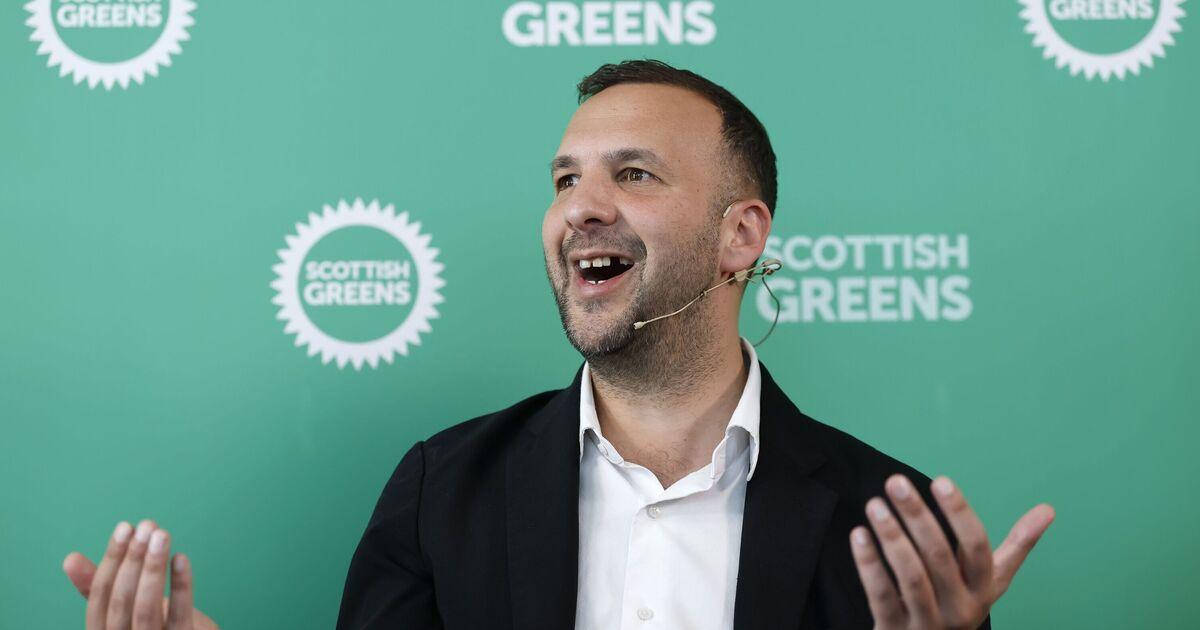
ITV News said Suleiman, 45, is accused of trying to kill Shloime Rand, 34, and Norman Shine, 76, during a knife rampage through the streets of the north London suburb on Wednesday, and that he has also been charged with the attempted murder of a third man in south London earlier that day.
The Guardian said police were filmed detaining the suspect after two Jewish people were stabbed in the north-west London suburb on Wednesday, and that footage of the arrest shared on social media shows two officers appearing to kick the man on or near his head.
While Polanski’s apology and meeting invitation were framed as a step toward “later reflection in the right forums,” the BBC said Labour minister Steve Reed argued Polanski’s apology “clearly means nothing given he continues to denigrate the actions of our brave police officers.”
ITV News reported that a senior Green Party source said: “There’s real concern in the party over the sharing of the tweet,” and that “The test now is what action the leadership takes around candidates who have made antisemitic remarks.”
The Independent said Polanski was grilled by Trevor Phillips on Sky News and that he should have voiced his views with Sir Mark Rowley, while also saying “I think you can both recognise the bravery of officers… and find the appropriate forum to say that no one, especially the police, should be above scrutiny.”
Beyond the immediate police row, the BBC described government positions on protest, saying Transport Secretary Heidi Alexander told the BBC the government is “not talking about an outright ban” on protest but will take “steps that are appropriate to deal with this problem.”
In parallel, the BBC reported that Conservative leader Kemi Badenoch called for a moratorium on pro-Palestinian marches, and said Rowley was concerned about the scale of upcoming protests in the capital starting May 16, while also stating “Protests can’t be banned. That’s a matter for Parliament. I have no power to do that.”
Taken together, the sources depict a Britain where the immediate criminal case, the Met’s operational confidence, and the political management of protest language are all moving at once.
More on Britain
UK Charges Indian Captain Ajay Pant Over Sanctions Breach On Smyrtos In English Channel
34 sources compared

British Forces Seize Russian Shadow-Fleet Tanker Smyrtos in English Channel
16 sources compared
King Charles III Leads Trooping the Colour Parade From Buckingham Palace Balcony in London
12 sources compared

Hilary Benn Condemns Racist Thuggery as Rioters Attack Ethnic Minorities in Belfast
11 sources compared