
Zelensky Condemns US Extension Of Sanctions Waiver Allowing Russia To Sell Oil
Key Takeaways
- Zelensky condemned the US extension of the sanctions waiver allowing Russian oil sales.
- Every dollar paid for Russian oil funds Moscow's war, Zelensky says.
- The waiver aims to ease energy prices amid the Middle East war, per supporters.
Sanctions waiver extended
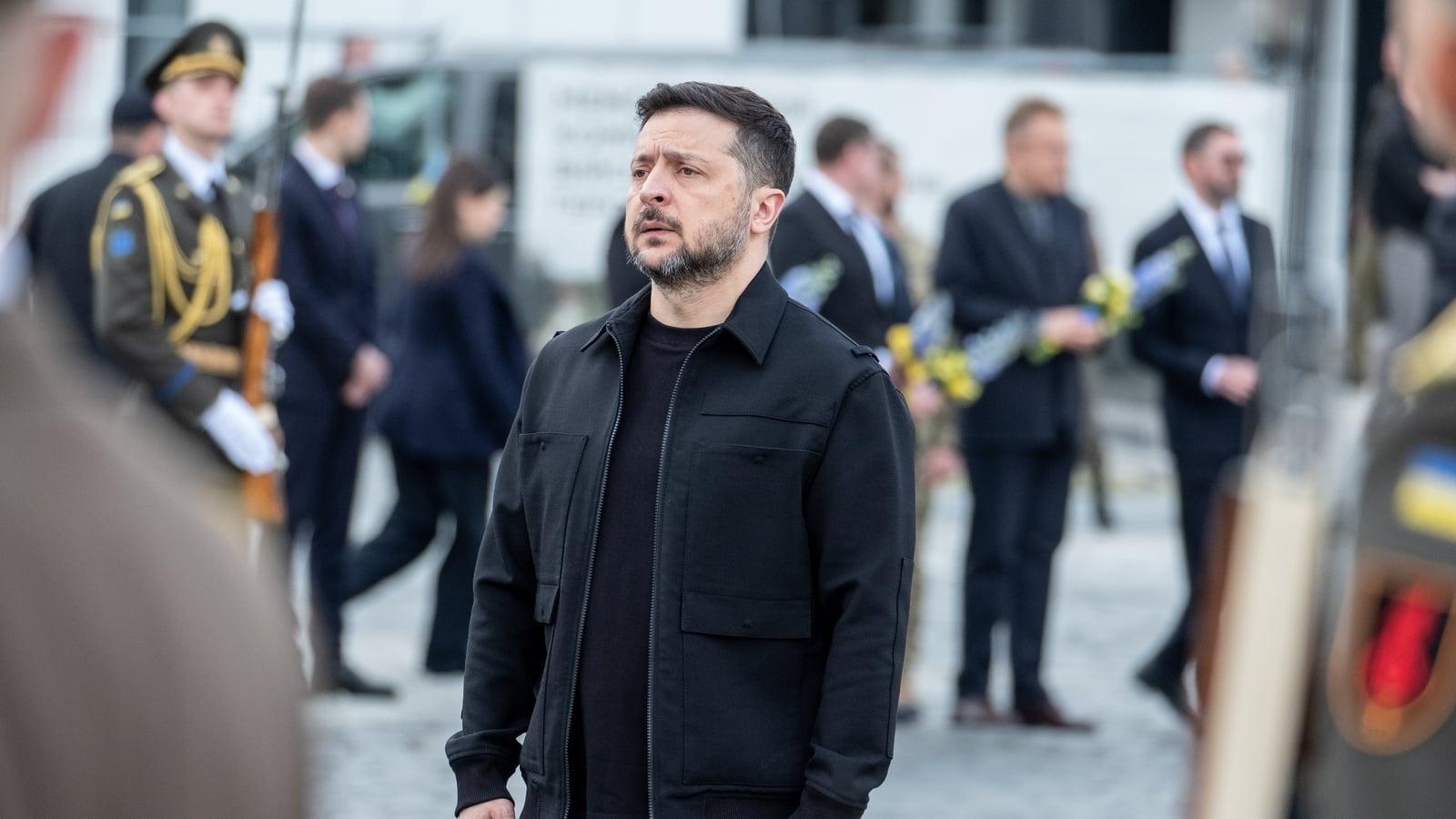
Ukrainian President Volodymyr Zelensky condemned a US decision to extend a sanctions waiver that allows Russia to sell oil and petroleum products already loaded on vessels at sea, saying the policy provides money for the war in Ukraine.
“- Published Ukraine's President Volodymyr Zelensky has condemned a US decision to extend the period during which Russia is allowed to sell oil despite Western sanctions”
In the BBC’s account, the extension means countries can purchase Russian oil and petroleum products already loaded on vessels at sea until 16 May, and Zelensky said, "every dollar paid for Russian oil is money for the war" in Ukraine.
The BBC reported that the US move to ease Russian sanctions on 13 March was widely condemned by Zelensky and European allies, and that the US said extending the waiver on Friday aimed "to ensure oil is available to those who need it" as negotiations to end the war "accelerate".
RTE.ie similarly described Zelensky’s condemnation after the United States extended a waiver meant to soften surging energy prices, quoting Zelensky: "Every dollar paid for Russian oil is money for the war" and adding that it is used for devastating strikes on Ukraine.
RTE.ie also tied the timing to statements by US officials, saying the US Treasury Department extension came two days after Treasury Secretary Scott Bessent said that the US would not renew the waiver.
Le Monde with AFP likewise reported that Zelensky condemned the easing after the United States extended a waiver, and it repeated Zelensky’s line, "Every dollar paid for Russian oil is money for the war" and that it is used for devastating strikes on Ukraine.
Across the coverage, the core dispute centers on the waiver’s effect on Russia’s ability to sell oil while Western sanctions remain in place.
Shadow fleet and $10bn
Zelensky’s criticism focused on what he described as Russia’s “shadow fleet” and the scale of oil shipments he said could be sold because of the sanctions relief.
The BBC reported that Zelensky said Russia had more than 110 tankers from its "shadow fleet" with "over 12 million tons" of oil, and that their sale would bring $10bn (£7.4bn) to Moscow’s coffers as "a resource that is directly converted into new strikes against Ukraine."

RTE.ie and Le Monde with AFP repeated the same figures and framing, with RTE.ie stating Zelensky said there were more than 110 tankers carrying Russian oil in breach of international sanctions currently at sea, carrying more than 12 million tonnes of crude that "which, due to the easing of sanctions, can once again be sold without consequences."
RTE.ie also quoted Zelensky’s dollar figure, saying, "That is $10 billion - a resource that is directly converted into new strikes against Ukraine," and it described the policy as allowing Russian oil to be delivered to ports unless stopped.
Kyiv Post likewise framed the warning as a warning that weakening sanctions misrepresents the reality of the war and provides Moscow with resources to escalate, and it quoted Zelensky: “Every dollar for oil from Russia is money for war,” while emphasizing that more than 110 tankers from Russia’s shadow fleet are currently at sea carrying over 12 million tons of oil.
Kyiv Post added that due to recent sanctions relief, this oil—valued at approximately $10 billion—can “again be sold without consequences,” providing a direct financial resource for new strikes.
In all of these reports, Zelensky’s argument is that the waiver’s practical effect is to convert oil revenues into military action against Ukraine, with the “shadow fleet” and the $10 billion figure serving as the centerpiece of his condemnation.
Attack tempo and Chernihiv
Alongside the sanctions dispute, Zelensky’s remarks linked the waiver to Russia’s recent attack tempo and specific incidents described in the reporting.
The BBC said Zelensky added that just over the past week Russia had launched "over 2,360 attack drones, more than 1,320 guided aerial bombs, and nearly 60 missiles of various types at our cities and communities."
It also reported that the deadliest attack in months on 15 April used more than 700 drones and missiles in multiple waves in one night, killing at least 18 people.
RTE.ie similarly quoted Zelensky’s tally for the past week, saying Russia launched more than 2,360 attack drones, more than 1,320 guided aerial bombs, and "and nearly 60 missiles of various types at our cities and communities".
RTE.ie then provided a separate local casualty detail, saying, "A 16-year-old boy was killed and four people wounded in one overnight attack on the northern city of Chernihiv, the head of the local administration said this morning."
The Community Newspaper Group account also included the Chernihiv casualty line, stating, "A 16-year-old boy was killed and four people wounded in one overnight attack on the northern city of Chernihiv, the head of the local administration said Sunday."
Le Monde with AFP repeated Zelensky’s weekly totals and the emphasis on stopping tankers, quoting Zelensky: "It is important that Russian tankers are stopped, not allowed to deliver oil to ports."
Dates, license, and timeline
The sources also place Zelensky’s condemnation within a specific sanctions timeline, including the waiver’s start and end dates and the US authorization mechanism described by Kyiv Post.
Kyiv Post said the criticism followed a diplomatic rift caused by the US Treasury Department’s issuance of General License 134B, and it specified that the waiver allows for the sale and transport of Russian oil loaded as of April 17, 2026, through May 16, 2026.

In the BBC account, the extension means countries can purchase Russian oil and petroleum products already loaded on vessels at sea until 16 May, and it described the earlier easing of sanctions on 13 March that Zelensky and European allies condemned.
RTE.ie described the waiver as a month-long sanctions waiver issued on Friday that allows the sale of Russian oil and petroleum products that are at sea, and it said the action was intended to bring down soaring energy prices.
The Community Newspaper Group account added more detail about the waiver’s effective window, stating that the US sanctions waiver allows for the purchase of Russian oil and petroleum products that have been loaded onto any vessel as of Friday, through 12:01 am (0401 GMT) on May 16, and that it extends an earlier easing of sanctions that expired on April 11.
Le Monde with AFP similarly reported that the US Treasury Department extension came two days after Scott Bessent said it would not renew the waiver, and it repeated the April 19 date for Zelensky’s condemnation.
Across these accounts, Zelensky’s message is anchored to the waiver’s operational dates and the claim that oil already at sea can be sold without consequences during the extended period.
Opposition and energy context
The reporting also describes the political and market context surrounding the waiver, including the rationale offered by the US and the opposition Zelensky’s stance drew from within the United States.
The BBC said the US argued that the waiver is meant to ease the energy supply crunch sparked by the US-Israel war with Iran, and it reported that Iran has virtually shut the Strait of Hormuz, where some 20% of the world’s oil and liquefied natural gas (LNG) is usually transported.
It added that this has led to turmoil in energy markets, with fears that a world recession may ensue if it is not reopened soon.
Kyiv Post described the diplomatic rift as following General License 134B and said Ukrainian Ambassador to the US Olha Stefanishyna and Foreign Minister Andriy Sybiha have both condemned the move, arguing it allows Moscow to profit from global instability and its alliance with Iran.
The Community Newspaper Group account reported domestic opposition, quoting Senators Jeanne Shaheen, Chuck Schumer and Elizabeth Warren saying, "This decision is shameful and a 180-degree reversal from Secretary Bessent, just two days after he pledged not to extend sanctions relief for Russia."
It also quoted the same statement’s claim that "Make no mistake, Putin has been one of the biggest beneficiaries of President Trump's war against Iran, as Russia saw oil revenues nearly double in March."
In the BBC, Zelensky’s condemnation is presented alongside the US justification that it wanted "to ensure oil is available to those who need it" as negotiations to end the war "accelerate".
More on Ukraine War
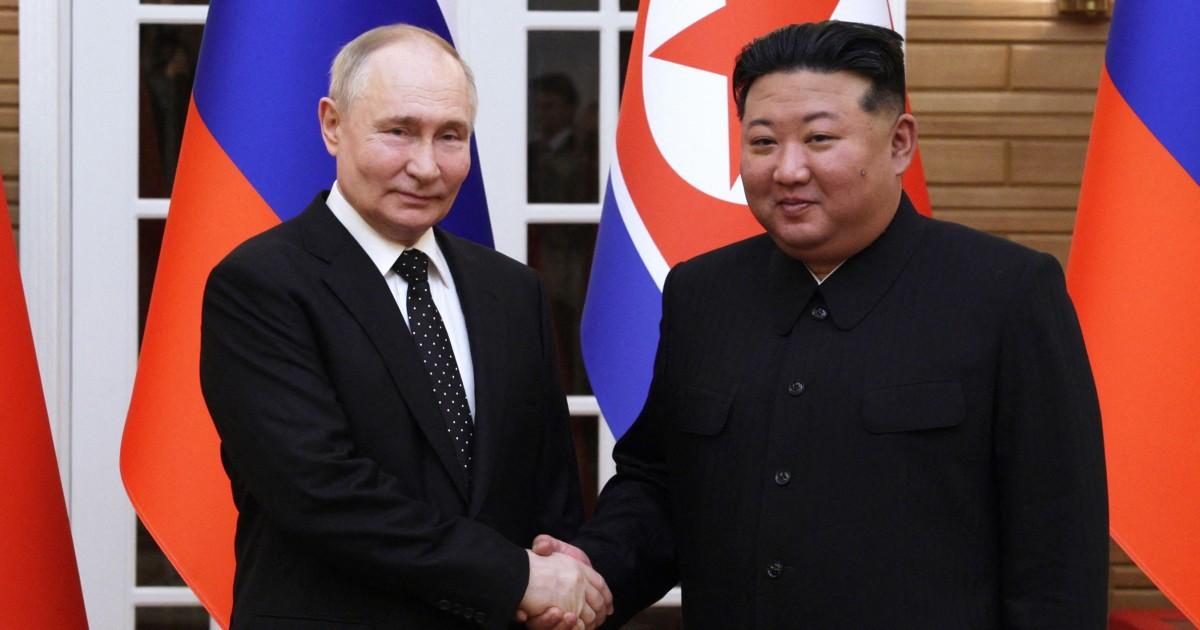
Kim Jong Un Opens Memorial Museum in Pyongyang for North Koreans Killed Fighting in Ukraine
12 sources compared
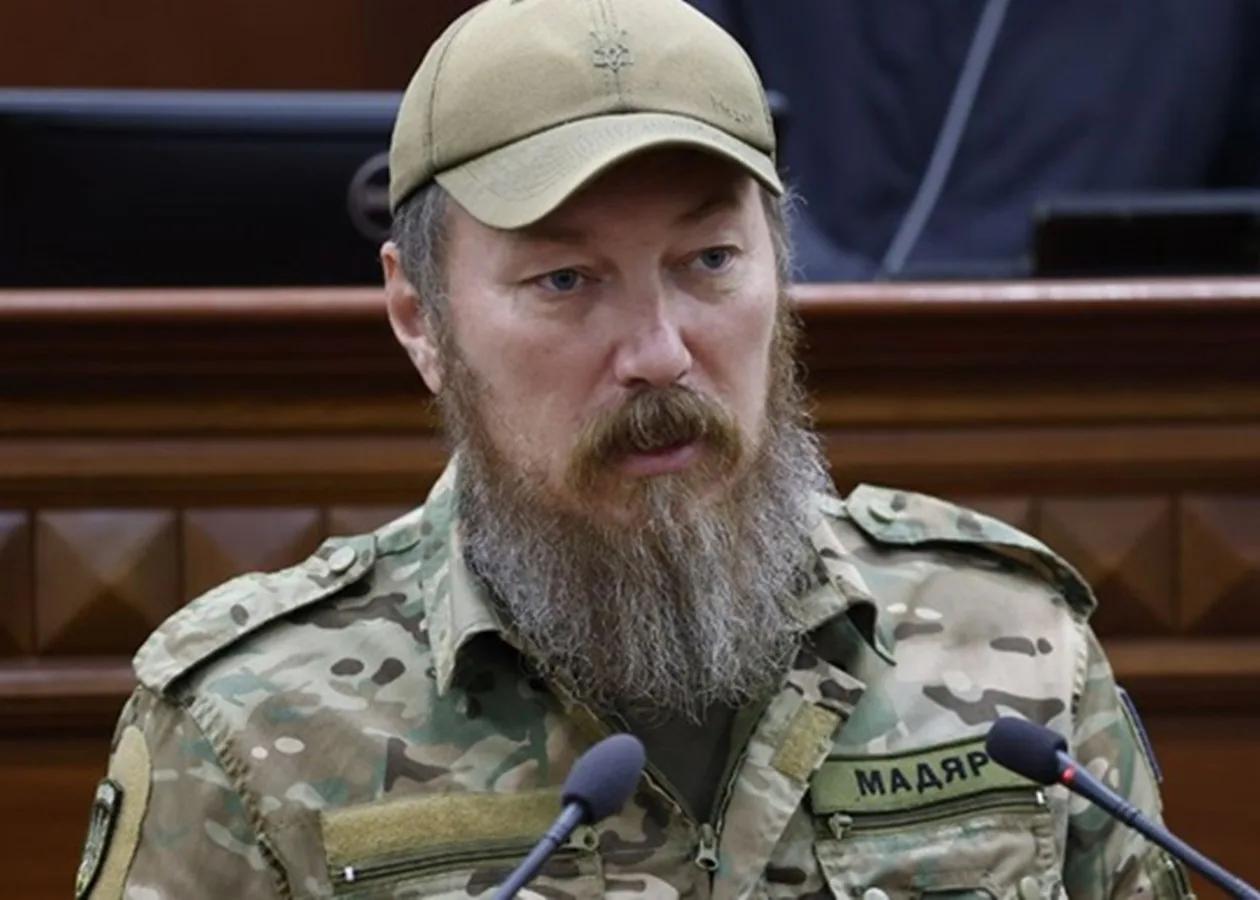
Ukraine’s Robert Brovdi Warns Long-Range Drones Turn Russia’s Peaceful Rear Into Battlefield
18 sources compared

Donald Trump Jabs Prince Harry Over Ukraine Remarks, Tells Him ‘Give Meghan My Regards’
43 sources compared

Zelensky Calls US Envoys Steve Witkoff and Jared Kushner’s Kyiv Skip Disrespectful
18 sources compared