Crime29 January, 20263 min read
15-Year-Old Admits Murdering 12-Year-Old Leo Ross, Stabbing Him While He Walked Home
15-year-old pleaded guilty to murdering 12-year-old Leo Ross Stabbed in the stomach on a waterside path in Shire Country Park, Hall Green
22 outlets told this the same way.
Murder of Leo Ross
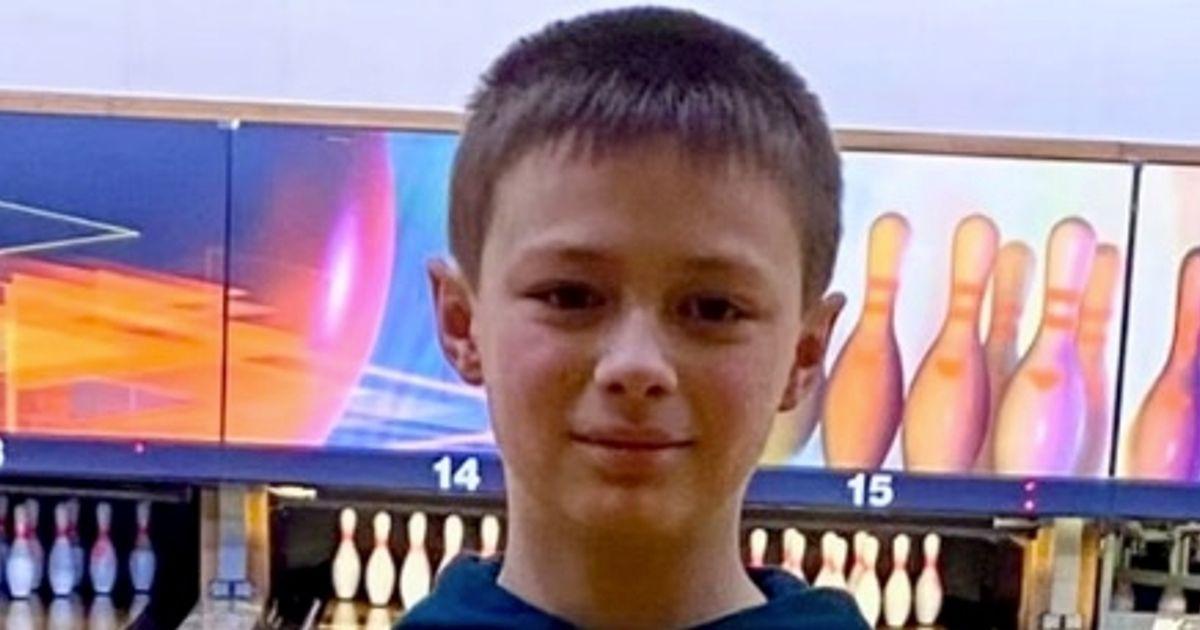
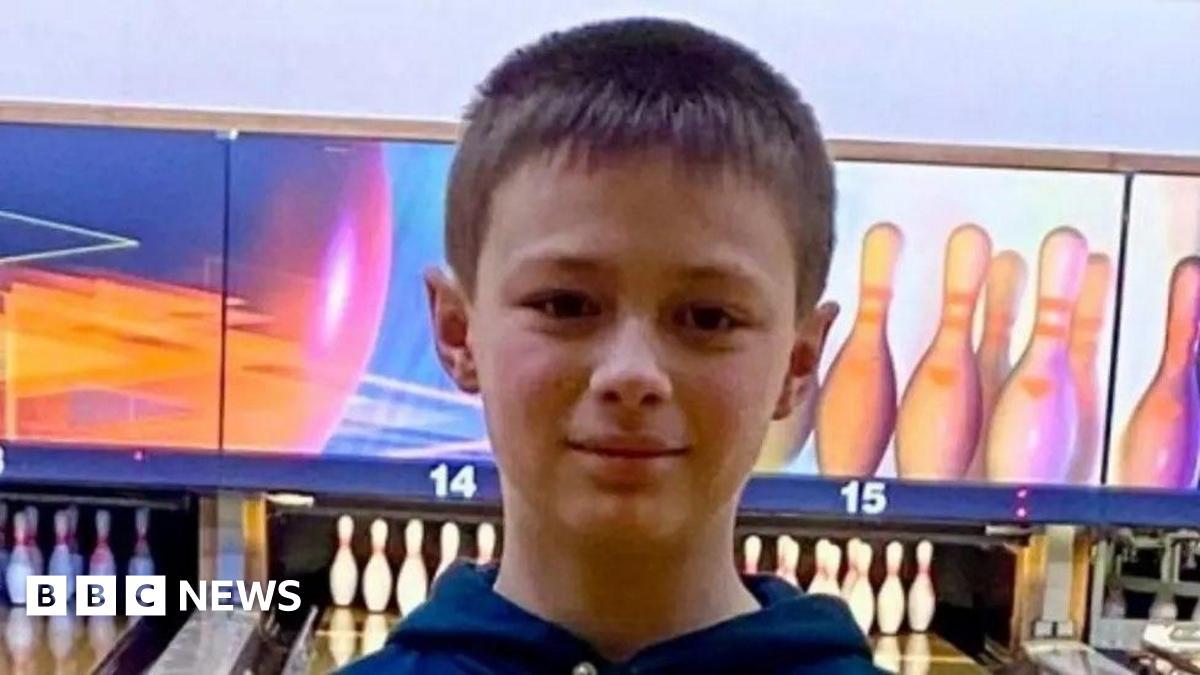
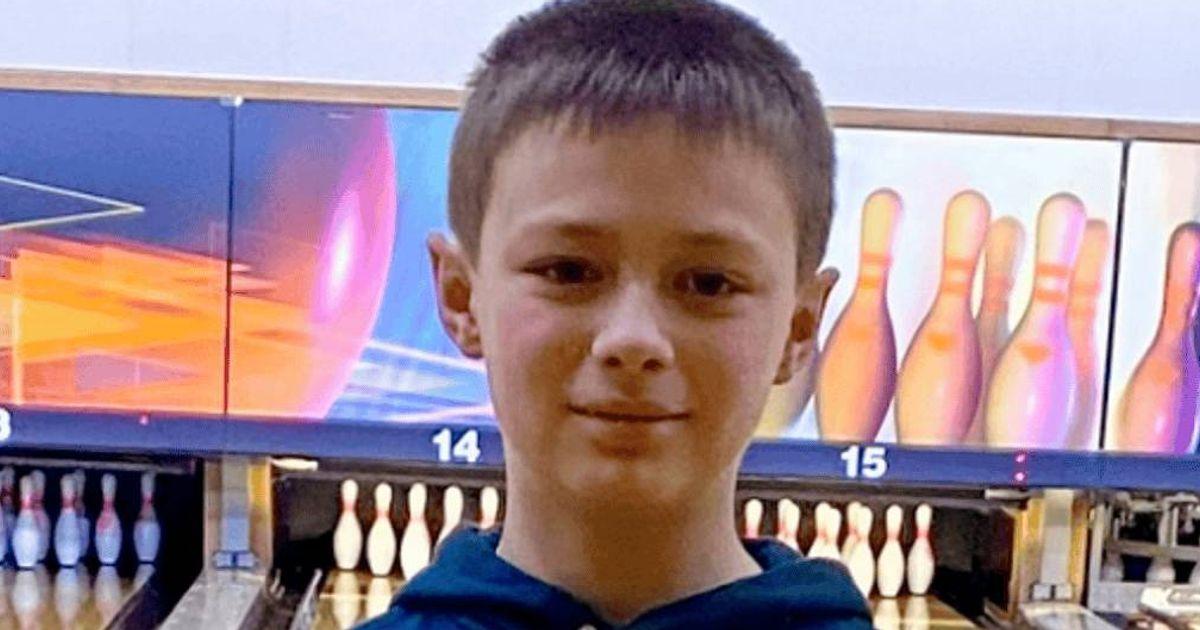
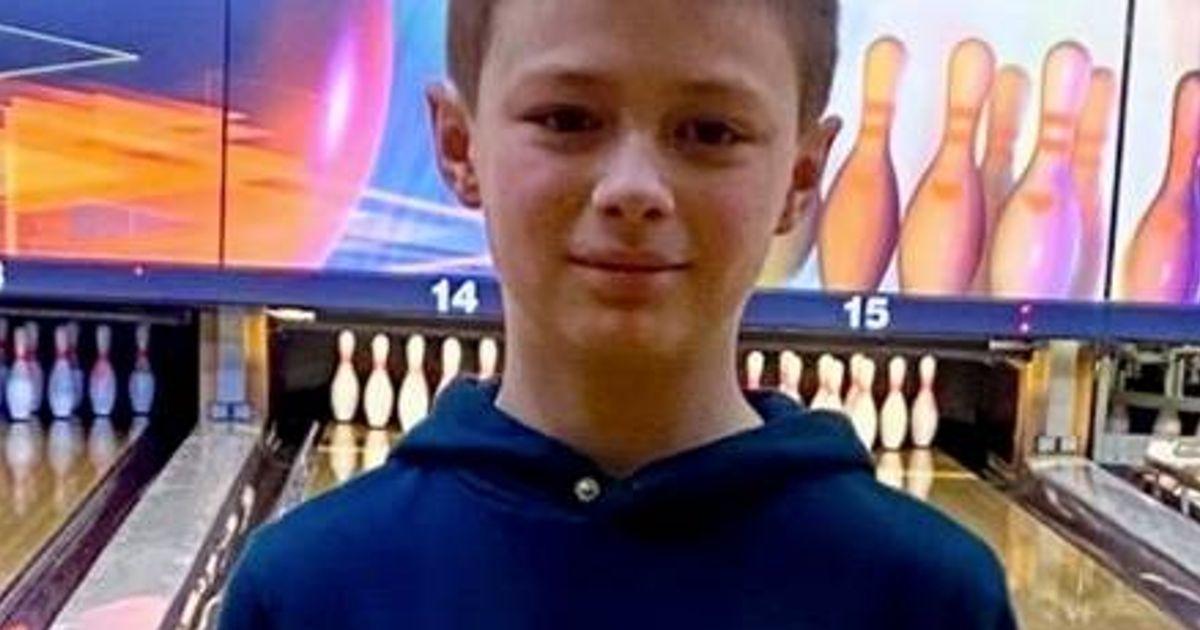
A 15-year-old boy has pleaded guilty at Birmingham Crown Court to murdering 12-year-old Leo Ross. Leo Ross was stabbed while walking home through Shire Country Park in Hall Green on 21 January 2025. Multiple outlets report the attack happened on a riverside footpath beside the River Cole and that Leo later died in hospital.
“A teenager has pleaded guilty to murdering 12-year-old Leo Ross, who was stabbed in the stomach on a riverside path in Shire Country Park, Hall Green, Birmingham, on 21 January last year while walking home from school.”
Accounts consistently describe the killing as random and unprovoked. The defendant was 14 at the time of the killing and cannot be identified for legal reasons. He entered his plea on 29 January 2025, and sentencing has been scheduled for 10 February after psychiatric assessments delayed the trial.
Police and court reports
Reports from police and court coverage describe how the attacker had earlier targeted other people in the same area in the days before Leo's killing. Investigators say the youth, who had been riding a bike, pursued and assaulted several women in local parkland between 19 and 21 January.
They say the murder weapon was discarded toward or into the nearby River Cole; some outlets say it was thrown into the river while at least one says it landed on the riverbank. Witness and body-worn camera evidence shown in court places the youth acting suspiciously before and after the stabbing, with footage and police accounts describing him lingering, returning to the scene and giving false accounts that he had found Leo.
Charges, pleas and proceedings
Court documents and reporting show the defendant admitted additional violent offences from the days before Leo’s death. He pleaded guilty to two counts of causing grievous bodily harm with intent, an assault occasioning actual bodily harm relating to other victims, and possession of a bladed article on the day of the killing. Two further assault charges were denied and ordered to lie on file in several reports.
“The defendant, who was 14 at the time, also admitted two counts of causing grievous bodily harm with intent in attacks on January 19 and 20 and an assault on January 21 relating to other victims, plus possession of a bladed article.”
Police and prosecutors described the wider pattern of attacks as senseless and warned about the consequences of carrying knives. The trial was adjourned for psychiatric assessments, which is widely reported.
Tributes and reporting
Coverage also records personal tributes and the human cost. Leo's family, foster family and school described him in warm terms — 'funny', 'sweet', 'amazing, kind, loving' and 'the sweetest, kindest boy' — and said his loss is felt every day.
Senior investigating officers and prosecutors described the case as heartbreaking and senseless, and urged the public to heed warnings about knife crime. Tabloid and local reporting included vivid bodycam and DI quotes about the defendant's demeanour, with some pieces emphasising disturbing behavioural detail from police accounts.
Youth knife crime coverage
Legally, the youth was remanded to youth detention and will be sentenced on 10 February. Several reports note that two further assault charges were denied and ordered to lie on file. The Crown Prosecution Service described the killing as senseless and warned about knife crime.
“His trial was postponed for psychiatric assessments; he was remanded to youth detention and will be sentenced on 10 February.”
Some local reporting describes the case as possibly the youngest knife‑crime fatality in the West Midlands. A few outlets mention ongoing court processes such as applications over naming the defendant. Overall, coverage across mainstream, tabloid and local outlets aligns on the central facts — the guilty pleas, the location and timing, the knife disposal and the additional admitted offences — while varying in tone, selectable detail and which police quotes they foreground.