Crime04 February, 20262 min read
18-Year-Old Stabs and Kills De Montfort University Student in Leicester City Centre
This article is an automated aggregation of coverage from news outlets. Our editorials offer in-depth analysis curated by the NewsCord team.
A De Montfort University student in his 20s was stabbed on Oxford Street near campus. Emergency services took him to Leicester Royal Infirmary, where he later died.

31 outlets told this the same way.
Leicester student stabbing
A De Montfort University student in his 20s was fatally stabbed in Leicester city centre on the evening of Tuesday 3 February. Emergency services were called shortly after 5pm to Oxford Street near the junction with Bonners Lane. The victim was taken to Leicester Royal Infirmary and died shortly afterwards.
“An 18-year-old man has been arrested on suspicion of murder after a student in his 20s was stabbed in Leicester city centre on Tuesday evening and died shortly after being taken to Leicester Royal Infirmary.”
Police have launched a murder investigation and an 18-year-old man has been arrested on suspicion of murder and remains in custody. Multiple outlets report the scene was by the DMU campus and that staff and students have been offered support.
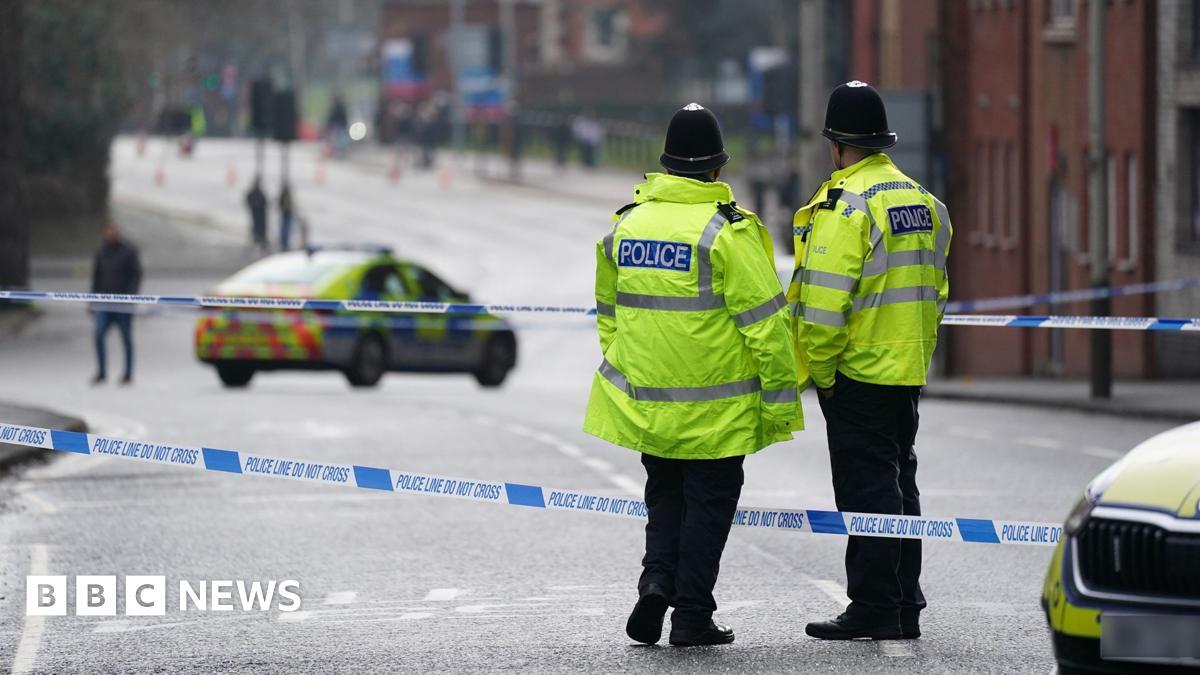
Leicestershire stabbing investigation
Leicestershire Police declared a major incident and said officers believe the stabbing followed an altercation between two men, with one man leaving the scene before police arrived. Forensics teams conducted searches at the corner of Oxford Street and Bonners Lane, while CCTV is being reviewed and witness appeals have been issued. The East Midlands Special Operations Unit Major Crime Team is reported to be leading inquiries, and officers asked the public to hand in mobile phone or dashcam footage that might help the investigation.
Emergency response and outcome
Bystanders and campus staff immediately attempted lifesaving measures, with witnesses and passersby performing CPR and campus security using a defibrillator before emergency crews arrived. The patient was taken to hospital by the East Midlands Ambulance Service, but several reports say the victim later died despite treatment. Witness accounts published by local and national outlets describe screams and people gathering around the injured man as police and forensic teams worked.
“Bystanders performed CPR at the scene and emergency services took the victim to Leicester Royal Infirmary, where he later died.”
Campus response and safety concerns
De Montfort University confirmed the deceased was one of its students and said it was offering support to students, staff and the victim's family. The university's vice-chancellor said the community was devastated.
Local politicians and campus figures expressed shock and condolence, while some local officials criticised police communications for a perceived delay in releasing information. Several local and tabloid outlets reported the incident has left many students and residents feeling unsafe.
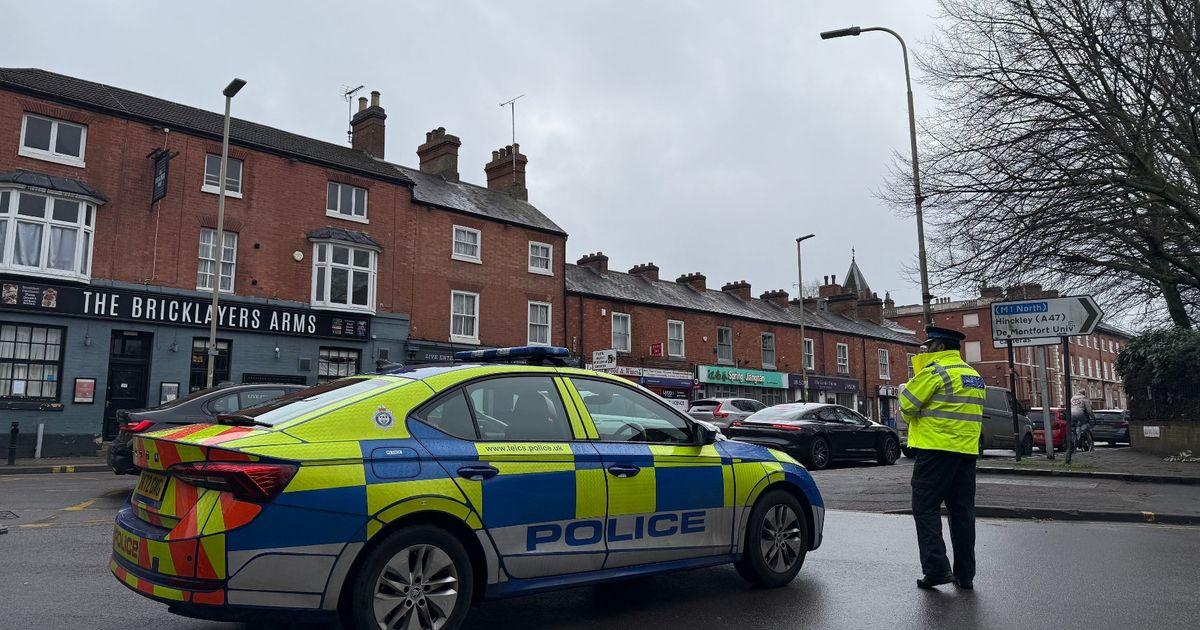
Police scene and investigation
Roads around the DMU campus and the Royal Infirmary were closed to preserve the scene. The closures caused disruption to city-centre traffic and hospital access. Police have appealed for witnesses, CCTV and dashcam footage.
“Several city-centre roads, including Oxford Street and Grange Street, have been closed since about 6pm for scene preservation.”
Investigative teams searched bins and bushes near the scene as forensics worked. Detective Inspector Lorna Granville is reported to be leading the inquiry. Officers thanked members of the public who assisted the victim.
%3Asharpen(0.5%2C0.5%2Ctrue)%2Ftpg%252Fsources%252F82530391-cb92-4800-bc7f-f88877d3f5d8.jpeg&w=1920&q=75)
They urged anyone with information to contact police. Some details — including the victim’s exact age and motive — remain unclear in the available reporting.