South America12 January, 20263 min read
2025 Nobel Laureate María Corina Machado Meets Pope Leo XIV at the Vatican to Press for Democratic Transition Ahead of Trump Visit
Pope Leo XIV held an unannounced private audience with María Corina Machado at the Vatican. Machado asked the pope to intercede for release of political prisoners and a democratic transition.
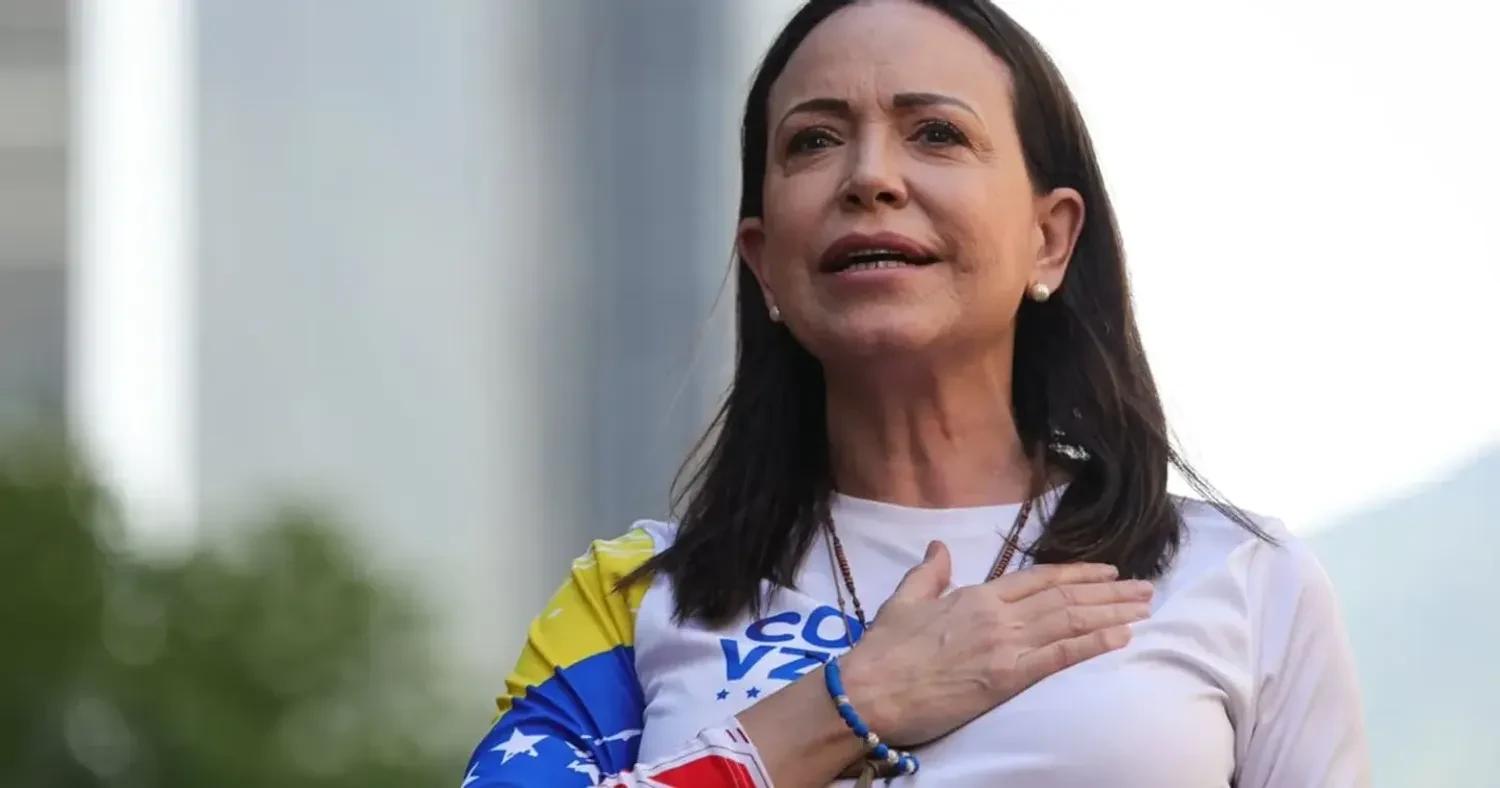
46 outlets told this the same way.
Outlets did split on Alexandre de Moraes Orders Eduardo Bolsonaro Arrest, Cancels Passport, Enforces Four-Year Sentence →
Vatican meeting with Machado
Venezuelan opposition leader and 2025 Nobel Peace Prize laureate María Corina Machado held a private, previously unlisted audience at the Vatican on Jan. 12, meeting Pope Leo XIV in the Pope’s private library.
“Vatican officials said Pope Leo XIV met Venezuelan opposition leader and Nobel Peace Prize laureate María Corina Machado on Monday, Jan. 12, 2026, but gave no further details about the encounter.”
The Vatican later recorded the appointment in its bulletin but provided no further details.

Multiple outlets described the encounter as a surprise visit that was not on the pope’s public schedule and said it was added to the Holy See’s noon bulletin after the fact, underscoring the meeting’s discreet character as Machado continues a Europe and U.S. tour following her reappearance to accept the Nobel.
Machado thanked the pope in public statements and framed the meeting as part of a push for international attention to Venezuela’s political crisis as she prepares to visit Washington and meet U.S. officials later this week.
Appeal for detainee releases
Machado used the audience to press the pope to intercede on behalf of those she describes as political prisoners, asking for help to secure the release of scores or even thousands of detainees and to press for a swift transition to democracy. Local and Catholic outlets record her appeal for the pope's intervention for the 'kidnapped and disappeared' and for the release of more than 1,000 prisoners.
Rights groups and international reporters note conflicting, lower figures released by Venezuelan authorities and NGOs, which Machado and her coalition cite as evidence of a slow, opaque release process. The Vatican meeting followed nationwide vigils and protests calling for detainee releases and preceded Machado's planned meeting with U.S. officials in Washington this week.

Machado's international profile
The meeting occurred amid attention to Machado’s recent international profile after she resurfaced following roughly 11 months in hiding to accept the Nobel in Oslo.
“Machado — a prominent critic of Venezuela who, the article notes, won the Nobel Peace Prize in December — said on X that she thanked the pope and asked him to intercede for political prisoners and the ‘kidnapped and disappeared.’”
She has publicly dedicated—or said she would like to give—the award to U.S. President Donald Trump and is slated to meet him at the White House later in the week, according to multiple U.S. outlets.
Reports emphasize Machado’s close ties with Trump and her role in challenging the Maduro government’s legitimacy after the disputed 2024 election, while some outlets note Washington had at times sidelined her after the U.S. capture of Nicolás Maduro.
The Vatican and Machado’s camp framed the visit as seeking moral and diplomatic support for Venezuela’s democratic transition as she continues to press international leaders.
Pope's stance on Venezuela
Pope Leo XIV’s public stance is reported consistently as one of concern. Outlets quote him saying he follows developments 'with deep concern,' urging Venezuela’s independence, calling for protection of human and civil rights, and decrying the use of military force.
Vatican reporting and Catholic outlets emphasize his moral appeal for justice and an end to violence, and Machado has asked for Church intercession as a force for humanitarian relief and political transition. The Vatican’s sparse public statement led many outlets and analysts tracking the Venezuelan crisis to note the broader diplomatic context, including U.S. military action, the capture and U.S. transfer of Nicolás Maduro on federal drug charges, and competing claims over Venezuela’s leadership.
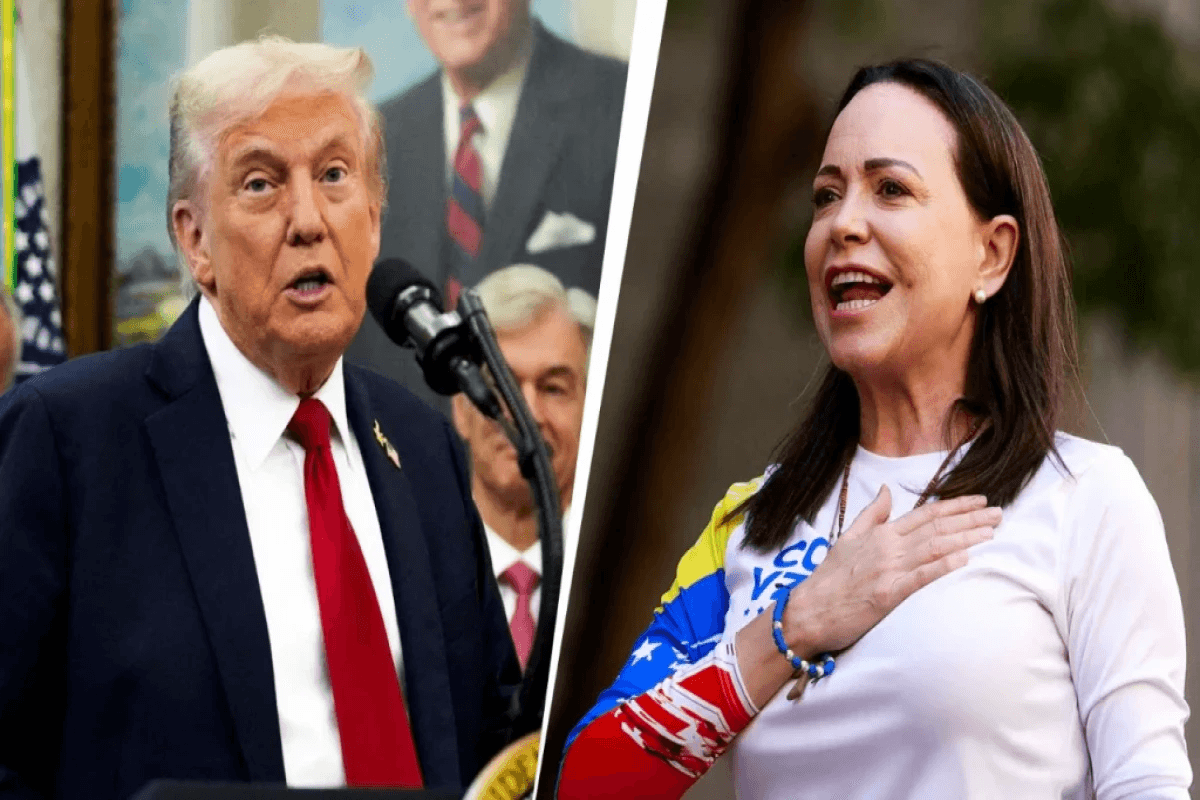
Media coverage of Machado
Across reporting, notable ambiguities remain. The Vatican declined to provide details about the audience. Rights-group counts of detainees and releases diverge sharply from government figures.
“Venezuela’s Penitentiary Services Ministry said 116 prisoners had been released ‘in the past few hours,’ but rights group Foro Penal reported a much lower figure — 41 freed, 24 of them overnight.”
Outlets differ in how they portray Machado’s political standing and U.S. engagement in Venezuela after the capture of Nicolás Maduro. Some commentary pieces and alternative outlets push a more critical view of U.S. policy in the region and question its motivations.
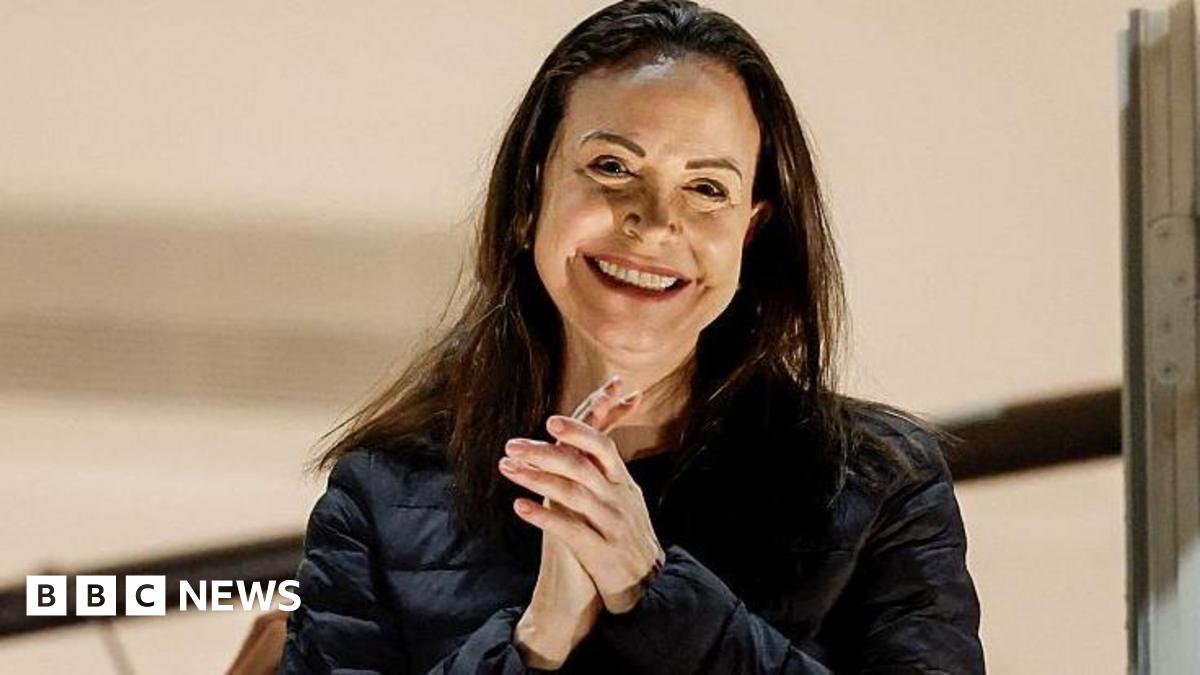
Mainstream, religious and local outlets emphasize the humanitarian, diplomatic and moral dimensions of Machado’s plea. Together these perspectives paint a fragmented but consistent picture of an opposition leader seeking broad international backing for prisoner releases and democratic transition.