Full story
Ceuta crisis sparks EU rift
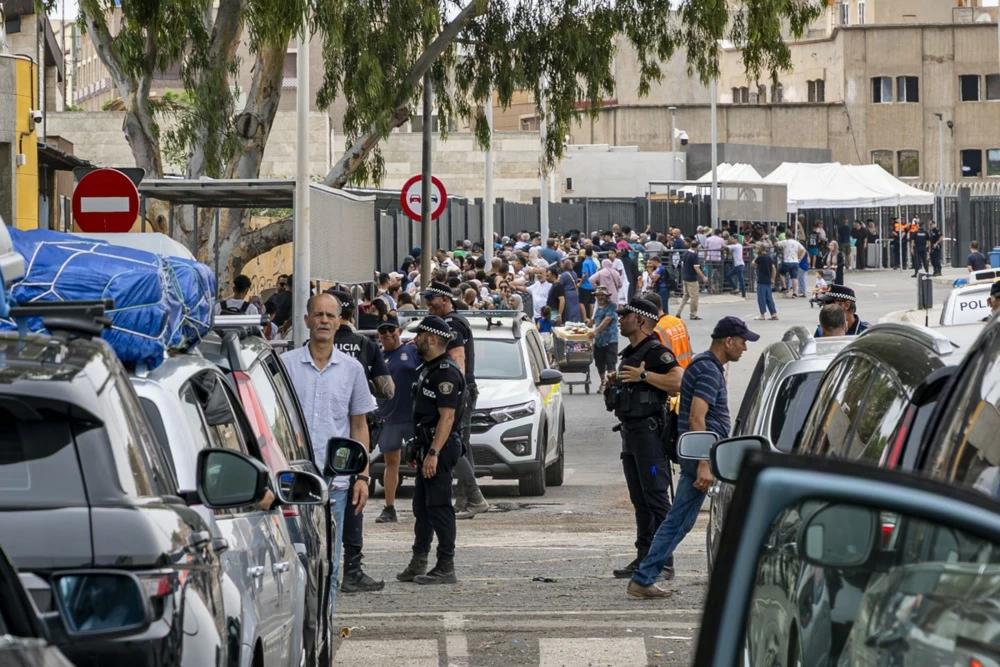
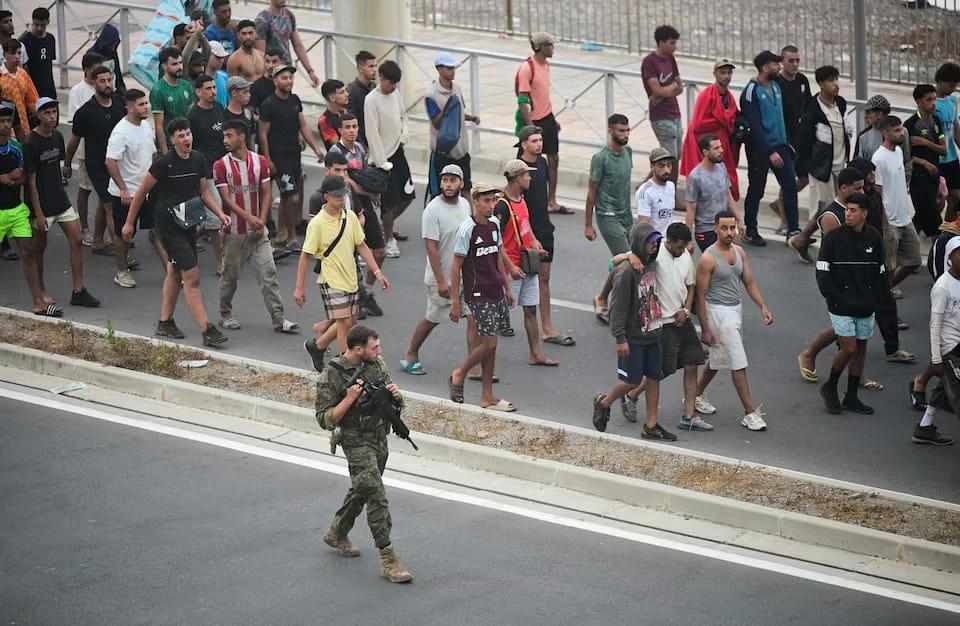
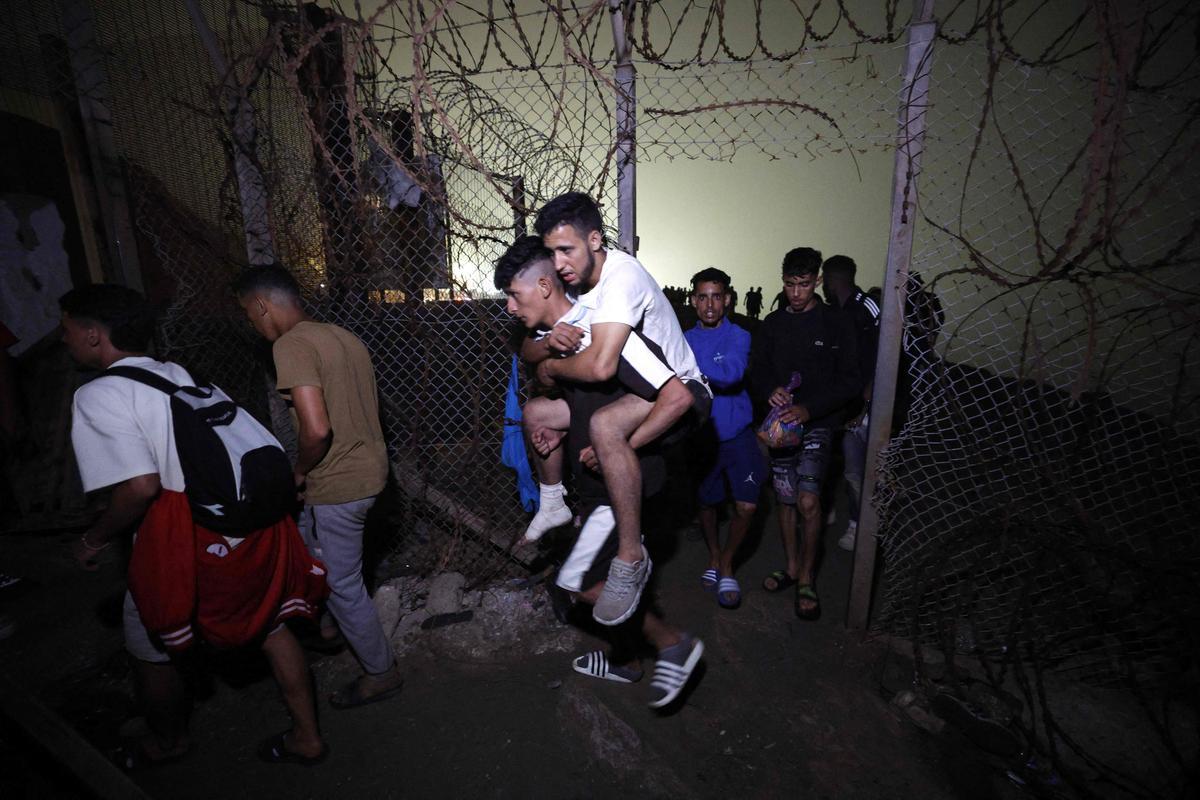
European leaders escalated their dispute with Spain after a mass border breach into the Spanish North African enclave of Ceuta from Morocco, with i24NEWS saying more than 50,000 people entered within about 24 hours and that at least 67 people were killed while attempting the crossing.
“The backlash followed the illegal entry of more than 50,000 people from Morocco into the Spanish North African enclave of Ceuta within about 24 hours”
The backlash included calls for Spain’s suspension from the Schengen free-travel area, with i24NEWS reporting that Italy imposed month-long controls on non-EU nationals arriving from Spain by air or sea and that Finland said countries that fail to protect Europe’s external borders cannot remain in the free-travel zone.

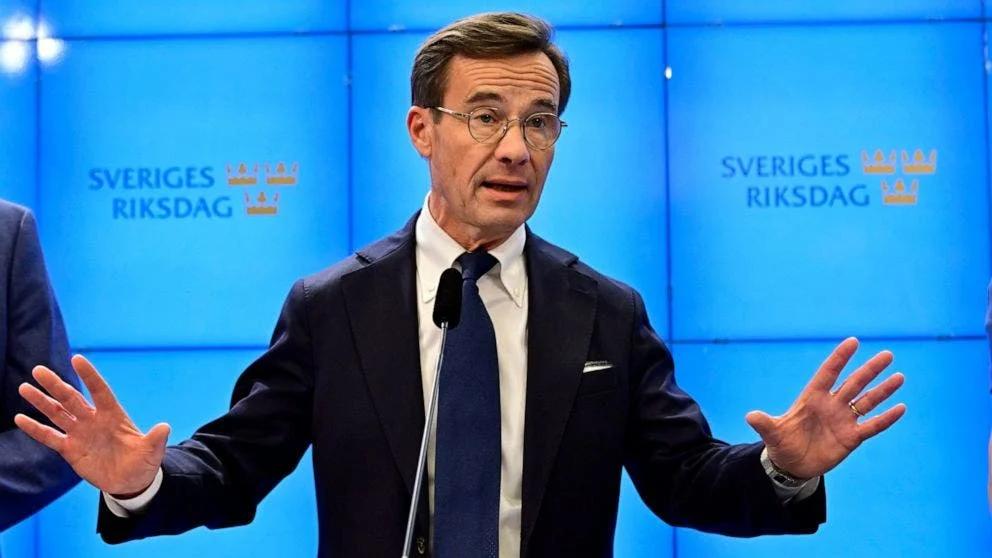
Spain’s Prime Minister Pedro Sánchez hit back, denouncing the “selfish, polarising and unlawful reaction” of some European governments, as described by i24NEWS.
In parallel, the EU moved toward coordination, with Anadolu Ajansı reporting that 22 European heads of state and government called for an emergency meeting of EU interior ministers over the Ceuta migration crisis.
Anadolu Ajansı also quoted the leaders’ joint letter saying, “We cannot allow uncontrolled mass crossings,” as they warned that such a perception would undermine confidence in the EU’s common migration policy.
Letters, meetings, and blame
The dispute centered on Spain’s migration policy and the role of regularization, with POLITICO.eu reporting that 22 EU leaders raised “serious concern” over the threat to the EU’s frontier and zeroed in on Sánchez’s move to grant legal status to up to 1.2 million unauthorized migrants as a “pull factor” that fueled the crisis.
POLITICO.eu also quoted the joint letter’s warning that “We cannot allow uncontrolled mass crossings, the instrumentalisation of migration or other hybrid threats to create the perception that illegal entry into the European Union is possible.”
Sánchez responded in a separate letter, and POLITICO.eu said he accused his European partners of acting out of “selfish” and “unlawful” stances, while also arguing that calls to exclude Spain temporarily from Schengen violated European and humanitarian law and the principles of solidarity.
On the diplomatic calendar, Euronews reported that Sánchez formally asked the European Council to convene an extraordinary videoconference with interior ministers, and it said the meeting was intended to set a common response to episodes like Ceuta.
Euronews added that Sánchez’s letter dated Saturday called for urgent coordination after he described the irregular entry as an “attack” and a “violation of territorial integrity,” while he attributed the EU partners’ reaction to “prejudice, misinformation, ignorance, or political calculation.”
Controls, barriers, and fallout
As the crisis unfolded, Italy and France tightened measures, with Charente Libre reporting that since Saturday Italy had reintroduced border controls at Spain’s air and sea borders and that France had quintupled the number of police and gendarmes deployed to reinforce the Franco-Spanish border during the summer holidays.
“a 500-meter-long pneumatic barrier is being installed in the Mediterranean Sea”
Charente Libre also said a 500-meter-long pneumatic barrier was being installed in the Mediterranean Sea to prevent migrants from crossing by swimming from Morocco to Ceuta, while Ceuta’s local government described the enclave as having an 84,000 population.
The same report tied the death toll to the attempted crossings, stating that at least 34 died, many by drowning, and it described the migrants as overwhelmingly Moroccans and mainly young men and adolescents who arrived since the start of the week by land or sea.
Beyond immediate enforcement, the EU’s next step was a coordinated interior-ministers meeting, with Anadolu Ajansı saying the signatories called on the Irish presidency to urgently convene an extraordinary videoconference of EU interior ministers to assess the situation and agree on a coordinated response.
Anadolu Ajansı further reported that the leaders urged the interior ministers to consider enhanced support from the EU border agency Frontex and review cooperation with Morocco, while also warning that they were ready to take any necessary measures under EU law and the Schengen Borders Code.