Full Analysis Summary
Christmas on January 7
Millions of Orthodox and Coptic Christians, commonly estimated at about 250–300 million, mark Christmas on January 7.
They follow the older Julian calendar, which now falls 13 days behind the Gregorian calendar.
That gap means December 25 on the Julian calendar corresponds to January 7 on the modern calendar, a situation that will shift to January 8 in 2101.
These communities are part of a wider Christian world in which about 2 billion observe December 25 on the Gregorian calendar.
Coverage Differences
Focus and factual detail
Al Jazeera (West Asian) emphasizes the calendrical and demographic facts — the Julian calendar’s 13-day lag, the 250–300 million estimate and the Gregorian reform in 1582 — while theweek.in (Asian) foregrounds living liturgical practice and communal celebration, and africanews (African) places greater emphasis on specific national Coptic observance and social context in Egypt.
Church rites and services
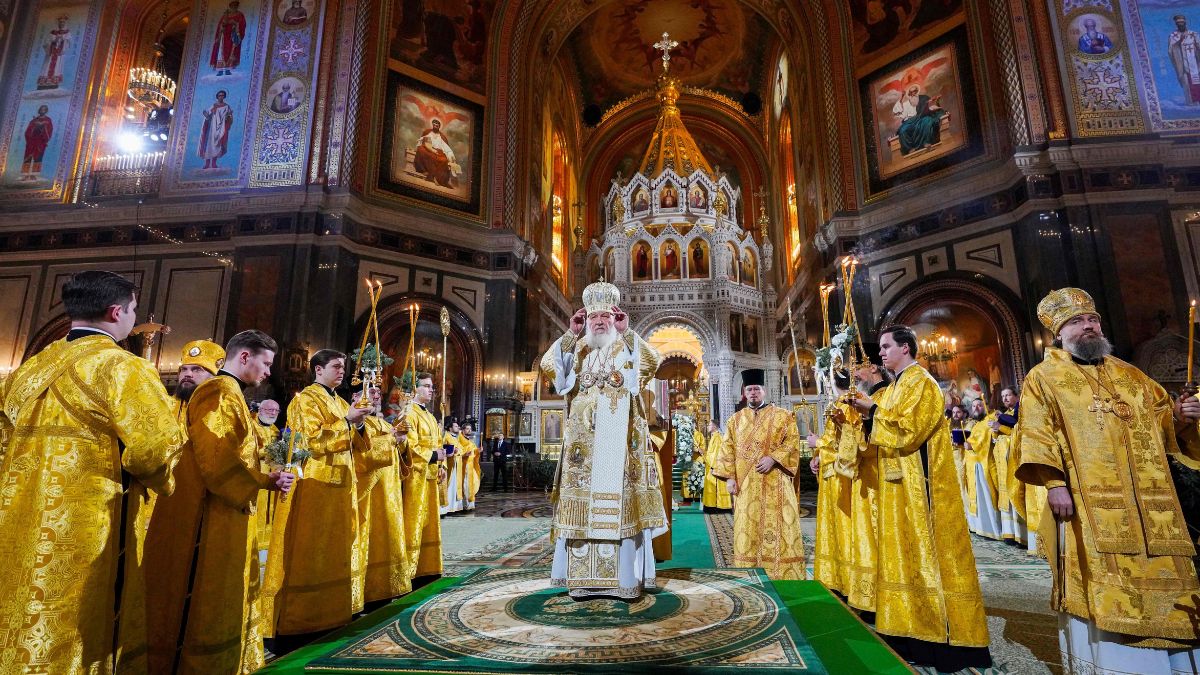
Across churches the day is marked by ancient rites such as bells, incense, long liturgies, and the preservation of local languages and music.
Reports describe Eastern and Oriental churches (Greek Orthodox, Coptic and Syriac among them) observing services that connect congregations to apostolic roots.
In places like the Levant, priests led hymns in Aramaic and issued calls for protection and healing.
Coverage Differences
Tone and cultural emphasis
theweek.in (Asian) stresses ritual continuity and the ‘polycentric’ nature of Orthodox Christianity — highlighting ancient liturgies, Aramaic hymns and return of public festivities — whereas Al Jazeera (West Asian) centers on the calendrical reason for the date and demographic scope; africanews (African) brings a local, social tone by noting prayers for peace and the end of the fast and feast traditions in Egypt.
State and Christmas observance
In several countries the observance intersects with state life.
In Egypt the government declared January 7 a paid public holiday, and President Abdel-Fattah el-Sissi attended Mass in the New Administrative Capital, where he was welcomed by Pope Tawadros II.
Elsewhere, Al Jazeera notes that some countries have adopted both dates or shifted public holidays.
Ukraine moved officially to December 25 in 2023, while Belarus and Moldova observe both dates.
Coverage Differences
Emphasis on state involvement versus broader policy
africanews (African) foregrounds Egypt’s political participation and the president’s attendance at Mass and an official holiday; Al Jazeera (West Asian) places that within a broader international pattern of calendar choices and holiday shifts across countries; theweek.in (Asian) focuses more on liturgical revival in specific towns rather than national-level policy.
Calendar date origins
The Gregorian calendar reform of 1582, introduced by Pope Gregory XIII, corrected a drift in the Julian calendar by skipping days to realign the seasons.
Communities that continued using the Julian calendar therefore celebrated December 25 later by modern reckonings.
Additional notes point to longer timelines; for example, January 1 as New Year's Day traces back to Roman practice in 153 BC.
Coverage Differences
Historical focus versus living tradition
Al Jazeera (West Asian) provides explicit historical and calendrical details, including the 1582 Gregorian reform and ancient Roman New Year origins; theweek.in (Asian) uses history to contextualize living liturgical continuity and the diaspora’s practices, while africanews (African) uses history to underscore the antiquity of the Coptic community in Egypt.