Crime20 December, 20252 min read
27-Year-Old Chang Wen Likely Premeditated Stabbing Spree, Kills At Least 3 and Wounds 11 at Taipei Metro
27-year-old Chang Wen likely premeditated the attack after scouting the location days earlier Three people killed and eleven others wounded
13 outlets told this the same way.
Taipei stabbing attack
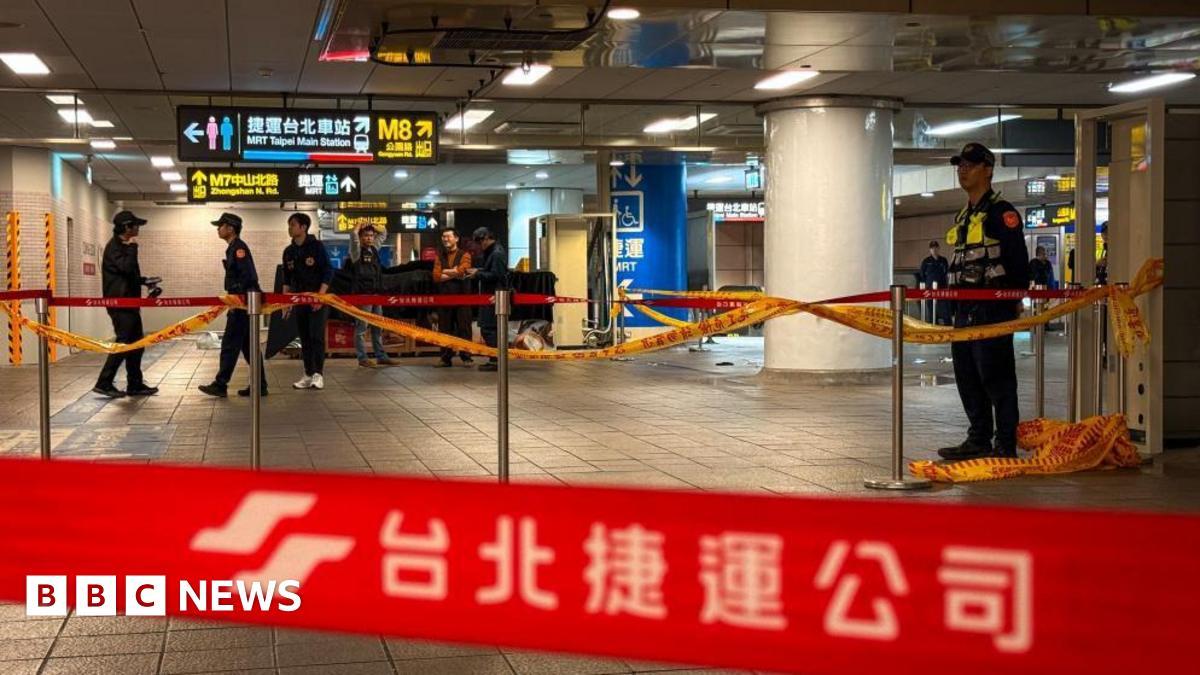
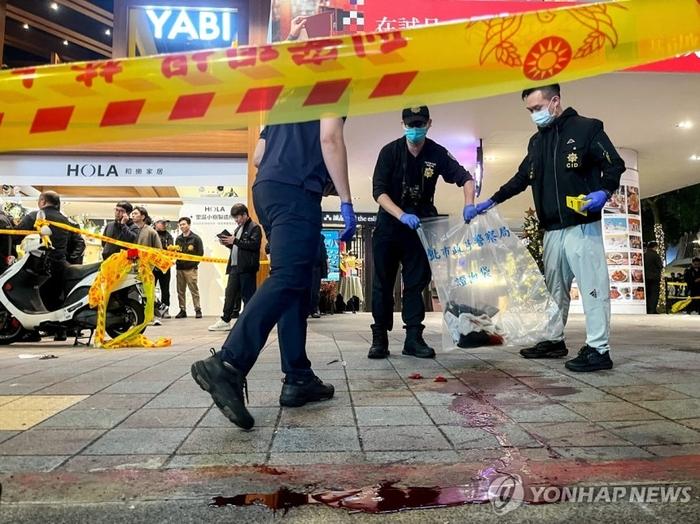
On Dec. 19 in central Taipei, a 27-year-old man identified as Chang (or Chang Wen in some reports) carried out a planned stabbing spree that targeted commuters around Taipei Main Station and nearby subway and shopping areas, leaving multiple people dead and others wounded.
“Taiwanese police said Friday’s deadly stabbing spree in central Taipei was likely premeditated after finding evidence the 27-year-old suspect, identified as unemployed Chang Wen, had scouted the area days earlier.”
Authorities say the suspect moved between sites, used smoke-emitting devices, and attacked people with edged weapons before he fell from a building and died.

Police have described the incident as likely premeditated after finding evidence the attacker had scouted locations in advance.
Officials continue to investigate motives and possible accomplices while cordoning off scenes and boosting security in crowded areas.
Attack description and outcome
Reports describe the attacker using a mix of smoke or gasoline canisters, smoke grenades and a long knife while appearing to wear a gas mask and body armour. Police recovered smoke grenades and devices resembling petrol bombs, and witnesses described people lying on the ground bleeding as chaos unfolded. Several sources say the assailant practiced or prepared locations in advance and bought devices online.
They also say he set fires to roads, vehicles and his own home before the stabbings. After the assaults the suspect fell from a building during or after a police pursuit and was declared dead.

Government and security responses
Taiwan's President, reported by The Korea Times, ordered a thorough probe into the suspect's background, motives and finances. Premier Cho, reported by Al Jazeera and the Straits Times, highlighted the suspect's prior record and outstanding warrants and vowed no leniency in pursuing justice. Officials increased security at transport hubs and New Year's Eve events, cordoned off scenes, and prosecutors noted legal issues such as failure to report for reserve military training in some accounts.
“President Lai Ching‑te ordered a thorough probe into the suspect’s background, motives and finances, and police cordoned off the scene and increased security at crowded locations and New Year’s Eve events.”
Conflicting casualty reports
Reports diverge markedly on casualty numbers and some specifics. Several outlets report three civilians killed and varying injury totals (Hindustan Times: "At least three people were killed and 11 others injured"; The Korea Times: "three people dead and at least 11 injured"). CNA and 매일경제 explicitly count four dead, including the attacker (CNA: "Four people were killed — including the attacker").
Some Western mainstream reports cited by AP give slightly lower or less certain early counts (AP: "at least two dead" and "multiple people injured") and list six hospitalized with two in intensive care. These differences reflect evolving information in the immediate aftermath and variations in whether the attacker is included in death totals.
Media framing by outlet type
Western mainstream outlets (Associated Press, Sydney Morning Herald) emphasize procedural investigation details, hospital impacts and recovered weapons, using measured, factual language. West Asian outlet Al Jazeera highlights official rebukes and draws historic comparisons to the 2014 Taipei metro stabbing, giving coverage a more political and historical frame. Regional Asian outlets (Hindustan Times, The Korea Times, Straits Times) stress premeditation, public‑safety warnings and the search for motive and background details.
“They say he traveled between attack sites, stopped at a hotel to retrieve an edged weapon, and that ‘lethal weapons’ were later found in his rental home and hotel room.”
These tonal and framing differences influence what readers take away — immediate procedural facts versus historical resonance or security implications. No single account yet provides a complete picture as authorities continue probing.