Full Analysis Summary
Nuba Mountains Displacement
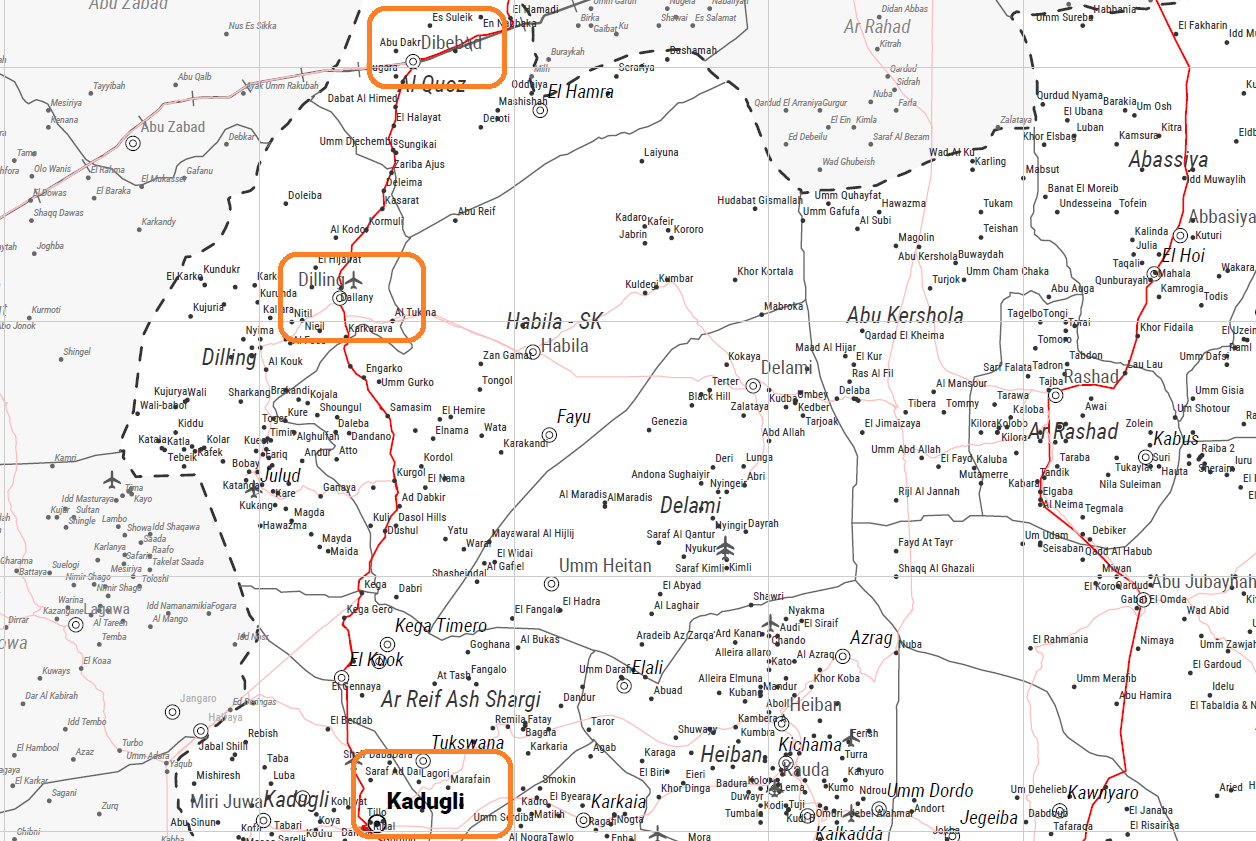
Thousands of residents from South Kordofan have fled to the Nuba Mountains amid escalating violence and a deteriorating humanitarian situation.
Local SPLM-North agencies report 58,198 people displaced.
Yonan Musa, director of the Sudanese Relief and Rehabilitation Agency, said 8,331 families (58,198 individuals) have been settled across five localities: West Kadugli, Eastern Rural, Dallami, Tobo and Ambonq.
Dabanga and Dabanga Radio TV Online similarly report that 58,198 people have been displaced to Dilling and Kadugli in the Nuba Mountains, indicating movement into SPLM-North controlled areas.
The sources frame the displacement as a large, concentrated movement into Nuba Mountain localities and present the SPLM-North agency figures as preliminary but severe.
Coverage Differences
Tone / Emphasis
Both sources are from the same media family but emphasize slightly different location details and focus. Radio Dabanga (Other) quotes Yonan Musa and lists five specific localities where families have been settled, while Dabanga Radio TV Online (Other) highlights displacement to Dilling and Kadugli and explicitly notes these are “areas under SPLM‑North control.” The difference is primarily in granularity of settlement locations vs. naming of major destination towns and explicit mention of control.
Humanitarian needs of displaced
The humanitarian profile reported by SPLM-North's relief agency describes extremely high needs among the displaced.
Radio Dabanga provides a detailed breakdown: orphaned children 40,883; unaccompanied children 15,495; children under one year 14,501; malnourished children 64,217; widowed women 40,823; elderly people 29,242; people with disabilities 29,178; and recorded deaths among the displaced 175.
Dabanga Radio TV Online reiterates the scale, noting more than 64,000 children are suffering from malnutrition and over 29,000 people have disabilities.
Both outlets present these as urgent, preliminary figures requiring immediate aid.
Coverage Differences
Granularity / Detail
Radio Dabanga (Other) prints a full tabulation of demographic categories and exact counts (including orphans, unaccompanied children, infants under one, and recorded deaths), while Dabanga Radio TV Online (Other) summarizes the same crisis with fewer categories and rounded figures (e.g., “more than 64,000 children” malnourished, “over 29,000” with disabilities). The difference reflects granularity and presentation rather than a substantive numerical contradiction.
Reported humanitarian appeals
Local SPLM‑North officials are quoted urging immediate national and international aid response, describing the situation as a "worsening humanitarian catastrophe."
Radio Dabanga records Yonan Musa’s explicit appeal, saying the numbers reflect a worsening humanitarian catastrophe and urging immediate intervention by local and international aid organizations to provide essential assistance.
Dabanga Radio TV Online reproduces the agency’s figures and context, reinforcing the call for urgent support.
Both outlets attribute the warnings to the SPLM‑North’s relief agency rather than presenting independent verification, so the figures are reported as agency claims and preliminary counts.
Coverage Differences
Attribution / Source Framing
Both sources report the SPLM‑North agency’s warnings, but the phrasing makes clear these are reported claims: Radio Dabanga (Other) quotes Yonan Musa directly as the source of the warning, while Dabanga Radio TV Online (Other) frames the numbers as reported by the Sudanese Relief and Rehabilitation Agency. The variation is in whether the piece foregrounds a named official’s quote or the agency report.
Coverage limitations and context
Limitations and gaps in coverage are clear.
Both sources come from the same media family and relay SPLM-North agency figures as preliminary without independent verification.
Neither snippet includes figures from international aid agencies or government responses.
This absence limits cross-checking and broader context about access constraints, aid delivery, or the causes of displacement beyond the general reference to 'worsening security and humanitarian conditions.'
Readers should note the information is an agency report and that the two pieces differ mainly in presentation (detailed table versus summary) rather than in the core numbers reported.
Coverage Differences
Missed information / Source diversity
Both Radio Dabanga (Other) and Dabanga Radio TV Online (Other) rely on the Sudanese Relief and Rehabilitation Agency’s reporting and do not provide independent verification, international agency commentary, or government response. The coverage thus lacks external corroboration and alternative perspectives; the main difference between the two is one of formatting/detail rather than divergent factual claims.