USA22 April, 20267 min read
9th Circuit Blocks California Law Requiring ICE Agents To Wear Identification
9th Circuit blocked California's No Vigilantes Act requiring federal immigration agents to wear visible IDs. The panel granted an injunction pending appeal, delaying enforcement of the ID requirement.

Court Blocks California ID Law
A federal appeals court on Wednesday blocked a California law requiring federal immigration agents to wear identification, issuing an injunction pending appeal that another court had already temporarily halted.
“‘The No Vigilantes Act attempts to directly regulate the United States in its performance of governmental functions,’ Circuit Judge Mark J. Bennett wrote in the opinion.”
The ruling came from a three-judge panel of the 9th U.S. Circuit Court of Appeals, which issued the order in a case tied to California’s “No Vigilantes Act.”
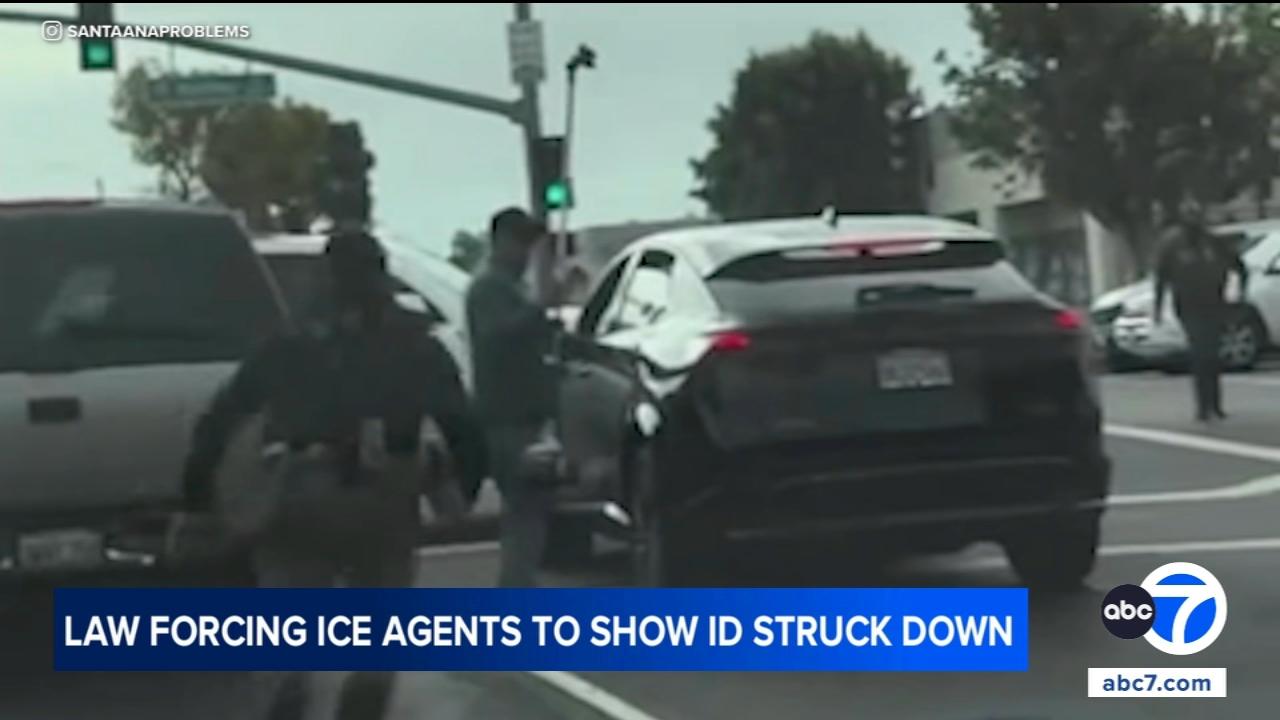
In Los Angeles, the Associated Press reported that the Trump administration argued the requirement would “threaten the safety of officers who are facing harassment, doxing, and violence” and that it violated the constitution because “the state was directly seeking to regulate the federal government.”
The panel agreed unanimously, with an opinion written by Judge Mark J. Bennett saying the law “attempts to directly regulate the United States in its performance of governmental functions.”
The court’s reasoning centered on the Supremacy Clause, which the Sacramento Bee summarized as barring states from enforcing legislation that directly regulates federal operations.
The LAist described the decision as a “blow to the state’s ongoing resistance to the Trump administration’s deportation program,” and said the ruling made a February injunction permanent “pending appeal.”
The decision also extended the temporary administrative injunction that had already blocked implementation of the 2025 law while the case moved through the courts.
Arguments Over Safety and Supremacy
The case pitted the Trump administration’s safety and constitutional arguments against California’s position that the law applied broadly to law enforcement and addressed public safety.
The Associated Press said the Trump administration argued the identification requirement would threaten officer safety because agents were facing “harassment, doxing, and violence,” and it also argued the state law violated the constitution because it sought to regulate the federal government.
At a March 3 hearing, the Justice Department’s lawyers argued that the California identification requirement “sought to regulate the federal government, violating the Supremacy Clause of the Constitution,” and the appeals court agreed.
In the ruling, Judge Mark J. Bennett wrote that “The Supremacy Clause prohibits States from enacting a law that directly regulates federal operations even if the law regulates state operations in the same manner,” according to the Associated Press.
The LAist quoted Bennett’s explanation that “If a state law directly regulates the conduct of the United States, it is void irrespective of whether the regulated activities are essential to federal functions or operations,” and it added that the court declined to weigh California’s public-safety concerns.
“We decline to do so,” Bennett wrote, and the LAist reported that the court said the equities tipped “decisively in…favor’ of a preliminary injunction.”
California lawyers argued the law applied equally to all law enforcement officers and did not discriminate against the U.S. government, and they also argued it was important to address public safety concerns.
Mask Laws and Related Battles
The identification ruling arrived as part of a broader legal fight over California’s 2025 immigration-related measures aimed at how federal officers operate in public.
“An 1890 Supreme Court case provides that a state cannot prosecute federal law enforcement officers acting in the course of their duties.”
The Associated Press said the identification law was “one of two major pieces of legislation enacted last fall aimed at reining in federal immigration agents” after a “sweeping crackdown on illegal immigration in Southern California in June,” and it described the other law as a mask ban that would have barred most law enforcement officers from wearing masks, neck gaiters, and other facial coverings.
The Associated Press reported that a federal judge blocked the mask ban in February, ruling that it discriminated against the federal government because it did not apply to state troopers, while “That judge let the ID law stand.”
The Guardian similarly described the initial lawsuit as addressing “another California measure signed into law last year that would have banned most law enforcement officers from wearing masks, neck gaiters and other facial coverings,” and said it was blocked by a federal judge in February.
LAist said the appeals court’s Wednesday ruling made the injunction permanent “pending appeal” for the identification requirement, and it described the 1890 Supreme Court case as providing that a state cannot prosecute federal law enforcement officers acting in the course of their duties.
The Sacramento Bee described the badge and identification requirements as a companion to a face-coverings ban that had been struck down by U.S. District Judge Christina Snyder in Los Angeles in February, while Snyder had allowed the badge requirement to remain in effect.
The LA Times reported that Snyder had upheld the ID law on Feb. 9, while she blocked the mask ban because of a last-minute carve-out exempting state police, and it said the Trump administration appealed that decision to the 9th Circuit.
Reactions From Officials and Advocates
Reactions to the ruling came from both sides of the dispute, with federal prosecutors and state officials emphasizing different stakes.
The Associated Press reported that First Assistant U.S. Attorney Bill Essayli called the decision a “huge legal victory” in a post on X, and it also quoted the appeals court’s view that “all citizens have a stake in upholding the Constitution.”

The Associated Press also said California Attorney General Rob Bonta’s office stated it was reviewing the order and criticized the Trump administration for using “masked and unidentified agents to carry out immigration enforcement, despite the risks these tactics pose to public safety and basic civil liberties.”
In the LAist account, the ruling was framed as part of California’s resistance to deportation, and it quoted Bennett’s language that “If a state law directly regulates the conduct of the United States, it is void,” while also quoting the court’s refusal to consider public safety factors.
Politico reported that Gov. Gavin Newsom’s office said the ruling was “disappointing, but it is not the final word,” and it quoted state Sen. Sasha Renée Pérez saying, “Requiring officers to show identification has been a longstanding and widely accepted practice in law enforcement,” and that “California has both the authority and the responsibility, under its police powers, to maintain order and protect the safety and wellbeing of everyone within its jurisdiction.”
The Sacramento Bee quoted Bonta’s office saying, “Transparency and accountability are the foundation of good law enforcement,” and it repeated Bonta’s criticism that the Trump administration had stepped “well outside the boundaries of normal practice.”
The Los Angeles Times added that California Deputy Solicitor Gen. Mica Moore urged the court to consider the danger Californians faced from unidentified, masked agents wielding military-grade weapons in the streets, and it quoted Bennett’s “We decline to do so,” in Wednesday’s ruling.
What Happens Next
The ruling is not described as a final merits decision, but it blocks enforcement while the appeal continues, leaving California and the federal government to decide whether to seek further review.
NBC Los Angeles said the latest decision is a “temporary ruling as the case continues on appeal” and reported that it was “not immediately clear when the Ninth Circuit will issue a full decision on the merits.”

It also said the state could potentially ask for a rehearing in front of the Ninth Circuit judges or appeal to the Supreme Court, and it noted that after a federal judge also blocked the state from enforcing the mask ban law in February, it was “not clear how Gov. Newsom and state Attorney General Rob Bonta would move forward.”
Politico similarly described the 9th Circuit’s action as a preliminary injunction that prevents the law from taking effect while the case continues.
The LAist described the appeals court ruling as making the February injunction permanent “pending appeal,” and it said the decision was a 3-0 ruling.
The Associated Press reported that the decision could have “implications nationwide for other states that have pursued their own measures to place restrictions on immigration agents,” and it tied the case to other states’ efforts to limit federal immigration enforcement tactics.
For now, the practical effect is that California cannot enforce the identification requirement against federal officers while the legal fight continues, even as other states weigh similar mask laws and California lawmakers consider additional bills.