Virginia Voters Approve Redistricting Referendum as Judge Pauses Certification
Key Takeaways
- Virginia voters approved a mid-decade congressional redistricting plan.
- A Virginia court paused certification of the referendum results.
- Legal challenges loom; appeals could alter or block the new maps.
Virginia referendum and court fight
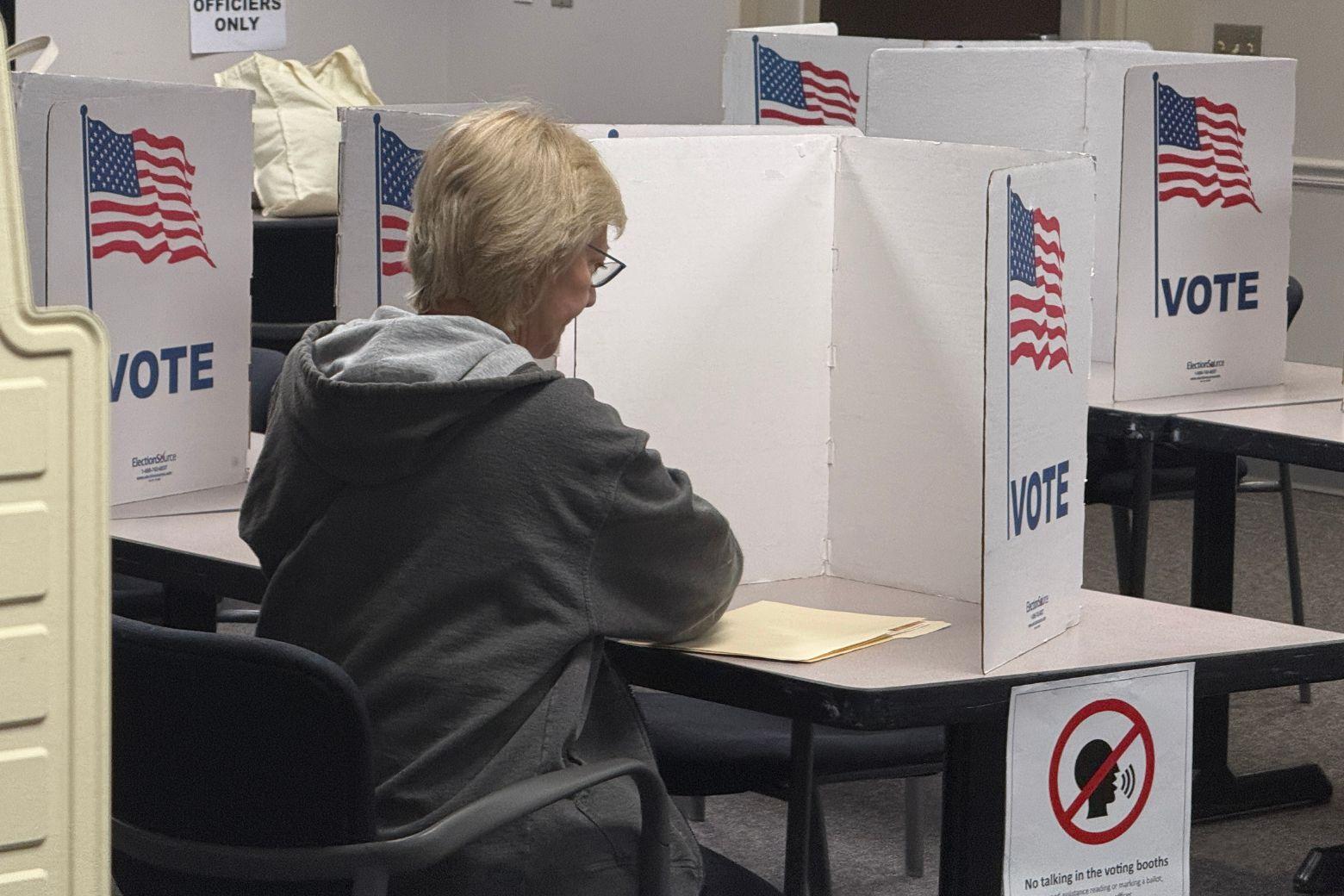
Virginia held elections on Tuesday (April 21) with a contentious redistricting referendum on the ballot that could reshape congressional districts for the 2026 midterms.
“Virginia held elections on Tuesday (April 21), and on the ballot was a contentious redistricting referendum that might have greater implications in the midterms”
The New York Times described the measure as a special election to determine if Virginia voters would change the state’s constitution to allow for congressional redistricting that would likely shift four Republican-held seats to Democratic control.

The BBC reported that a Virginia judge on Wednesday paused the certification of referendum results that would lead to redrawing the state's congressional map, after Virginians approved a measure on Tuesday to change district lines.
CNBC said a Virginia circuit court judge blocked the results of a congressional redistricting referendum that could net Democrats four extra seats in the U.S. House of Representatives in 2026.
Al Jazeera reported that President Donald Trump claimed the Virginia election was “rigged” after voters narrowly approved a referendum to redraw the state’s congressional map, with 51.45 percent voting in favour and 48.55 percent against.
The dispute quickly moved from the ballot to the courts, with the BBC saying the court deemed the new map and the bill that triggered it unconstitutional following a lawsuit from the Republican National Committee and the state saying it will appeal.
In parallel, the New York Times quoted Virginia House Republicans’ leader Terry Kilgore saying the ballot box was never seen as “the final word,” and that legal questions remain about the process, “now move where they belong: to the courts.”
How the map was set up
Multiple outlets tied Virginia’s referendum to a broader national redistricting campaign that began after President Donald Trump urged conservative states to re-examine voting maps to help Republicans keep their congressional majority.
The BBC said the state is the latest in a national redistricting race that began after Trump urged conservative states to re-examine voting maps, and it described how each of the state's newly drawn districts could decide which party takes the House.

NPR said Virginia took a step to counter and possibly surpass Trump’s national effort to redraw congressional voting maps in favor of the GOP, describing the referendum as a Democratic-backed constitutional amendment to sideline the state's redistricting commission and let lawmakers directly implement a new map.
The Hill reported that the referendum asked voters to approve a constitutional amendment allowing Democrats to draw new congressional lines in their favor in 10 out of 11 House districts.
VPM explained that Virginia Dems defended their maps and mapmaking process in the commonwealth's high court at least once as of April 22, and it described how SCOVA ruled earlier this year that lawsuits would not block the April 21 vote from occurring.
VPM also detailed the procedural timeline, saying Virginia law requires the statehouse to pass a proposed constitutional amendment twice with a House of Delegates election occurring in between before it can be sent to voters, and that Democrats had a tight window to approve an amendment before Election Day 2025 in order to have new maps by Election Day 2026.
The New York Times added that as written, the Virginia amendment expires in 2030, and it said Spanberger emphasized it was “a temporary measure” to counter Trump’s push to get other states like Texas and North Carolina to gerrymander their maps.
Against that backdrop, Al Jazeera said redistricting usually follows the national census every 10 years, but Trump urged Republican-led states to redraw maps mid-decade to protect the party’s fragile House majority.
Reactions from leaders
After the vote, political leaders framed the outcome as either a defense of election integrity or a partisan power grab, and they also connected Virginia’s result to the next phase of litigation.
“United States President Donald Trump has claimed that the Virginia election was “rigged”, without providing evidence, after voters narrowly approved a referendum to redraw the state’s congressional map”
The New York Times quoted House Democratic leader Hakeem Jeffries saying, “While many expected Democrats to roll over and play dead, we did the opposite,” and it added, “Democrats did not step back. We fought back. When they go low, we hit back hard.”
The New York Times also quoted Virginia Gov. Abigail Spanberger emphasizing the referendum was “a temporary measure” to counter President Trump’s push to get other states like Texas and North Carolina to gerrymander their maps, and it reported that Spanberger said she was committed to turning the task of drawing congressional maps back over to the bipartisan redistricting commission established in six years ago.
The BBC quoted Trump’s claim, with Trump posting “A RIGGED ELECTION TOOK PLACE LAST NIGHT,” and it said he echoed false claims he has made about the 2020 presidential race.
CNBC quoted Virginia Attorney General Jay Jones vowing to fight the order, saying, “My office will immediately file an appeal in the Court of Appeals,” and also quoting Jones saying, “Virginia voters have spoken, and an activist judge should not have veto power over the People's vote.”
CNN quoted Tazewell County Circuit Court Judge Jack Hurley calling the ballot language put to voters “flagrantly misleading,” and it said Virginians for Fair Elections responded that voters “understood exactly what was on the ballot, and they chose YES.”
The Hill reported Jeffries issued a stern warning to Republicans in Florida and said, “If Florida Republicans proceed with this illegal scheme, they will only create more prime pick-up opportunities for Democrats,” while also vowing “maximum warfare, everywhere, all the time.”
In addition, the New York Times quoted Terry Kilgore saying the ballot box was never seen as “the final word” and that legal questions “now move where they belong: to the courts.”
Different outlets, different emphasis
While all the coverage centered on Virginia’s referendum and the legal challenges that followed, the outlets emphasized different aspects of the same sequence of events: the vote margin, the courtroom reasoning, and the political implications for the midterms.
Al Jazeera foregrounded the vote tally, saying the measure passed by a slim margin with 51.45 percent voting in favour and 48.55 percent against, and it highlighted Trump’s post on TruthSocial claiming “A RIGGED ELECTION TOOK PLACE LAST NIGHT.”

BBC emphasized the judicial pause, reporting that a Virginia judge paused certification and that the court deemed the new map and the bill that triggered it unconstitutional after a lawsuit from the Republican National Committee.
CNN focused on the judge’s specific findings, saying Tazewell County Circuit Court Judge Jack Hurley barred state election officials from modifying election districts or proceeding with the new maps and called the ballot language “flagrantly misleading.”
CNBC framed the same Wednesday ruling as an order blocking the results and included the judge’s Latin phrasing, saying Hurley ruled the referendum question was void “ab initio” and enjoined the state from taking actions to update or alter election districts or voter registration records.
VPM provided the procedural and litigation roadmap, describing SCOVA’s earlier decision that lawsuits would not block the April 21 vote and laying out how briefs and oral arguments were scheduled, including SCOVA set to accept briefs in Scott v. McDougle on Thursday, April 23, and hear oral arguments on Monday, April 27.
The New York Times added a political-finance angle, stating that in Virginia “over 95 percent of the money was undisclosed,” and it also described how the Associated Press called the race and how the amendment expires in 2030.
NPR tied the Virginia result to the national redistricting contest, saying the move could put Democrats ahead in tilting House seats their way “— for now,” and it listed the current House balance of Republicans and Democrats as context.
What comes next
The next phase of Virginia’s redistricting battle is dominated by court action and the possibility that the outcome could affect control of the U.S. House in November.
“Virginia voters on Tuesday approved a new congressional map that would give Democrats an advantage in 10 House districts, leaving just one safe Republican seat, CBS News projects”
The BBC said the midterms take place in November and Virginia's redistricting could help Democrats win as many as four House seats currently held by Republicans, while it also reported the House balance of power at 217 Republicans, 212 Democrats, and one independent, who caucuses with Republicans.

The New York Times described how the Associated Press called the race and quoted Reid Epstein Jeff Ryer, the chairman of the state Republican Party, saying his efforts will now shift to trying to block redistricting through the courts, with Jeff Ryer saying, “Now, we enter the phase that will be decided through litigation.”
CNN reported that the case before the state Supreme Court is still pending and that State Attorney General Jay Jones said his office intends to immediately appeal Hurley’s Wednesday ruling, while Andrea Gaines said state officials are reviewing the impact on the State Board Certification.
VPM laid out that SCOVA would weigh in at least once as of April 22 and that briefs and oral arguments were scheduled, including SCOVA accepting briefs in Scott v. McDougle on Thursday, April 23, and hearing oral arguments on Monday, April 27.
CNBC added that Hurley permanently blocked the new congressional maps from going into effect and denied Democrats’ attempt to stay the block until SCOVA weighs in, and it said Jones promised to appeal in the Court of Appeals.
Beyond Virginia, Al Jazeera and NPR tied the dispute to the national redistricting race, with Al Jazeera saying the outcome is expected to face legal challenges and NPR saying Florida lawmakers might be up next, with Republican Gov. Ron DeSantis calling them to meet next week.
The Hill also connected Virginia’s result to Florida’s next steps, quoting Jeffries warning that if Florida Republicans proceed with an “illegal scheme,” Democrats would respond with “maximum warfare, everywhere, all the time,” and it listed eight Florida House seats held by Republicans.
More on USA

Pete Hegseth Fires Navy Secretary John Phelan as US Blockade of Iranian Ports Continues
11 sources compared

9th Circuit Blocks California Law Requiring ICE Agents To Wear Identification
12 sources compared

Trump Extends Iran Ceasefire While US Keeps Naval Blockade in Strait of Hormuz
18 sources compared

Jack Hurley Blocks Virginia Redistricting Referendum Certification, Republican National Committee Wins
23 sources compared