
Trump Extends Iran Ceasefire While US Keeps Naval Blockade in Strait of Hormuz
Key Takeaways
- Trump extended the Iran ceasefire, delaying potential hostilities.
- The United States maintains a naval blockade in the Strait of Hormuz.
- Iran has seized two vessels in the Strait of Hormuz.
Ceasefire, blockade, and ships
The United States and Iran extended a ceasefire while keeping a naval blockade in place, as tensions escalated in the Strait of Hormuz and the Gulf of Oman.
US President Donald Trump said the ceasefire would remain in effect “until such time as their proposal is submitted, and discussions are concluded, one way or the other,” while also attributing the extension to a “fractured Iranian leadership” and saying it came “at the request of Pakistan, which is mediating the peace talks.”

The White House confirmed to FOX News that the ceasefire extension was not indefinite and was “only limited for 3–5 days,” even as other reporting described Trump declaring it “indefinite.”
In parallel, the US maintained that its blockade on Iranian ports remained in effect, with White House press secretary Karoline Leavitt telling FOX News that the seizure of two ships by Iran “did not violate the terms of its ceasefire with the U.S. because the vessels were not American or Israeli vessels.”
Leavitt also described the Iranian action as taking place “by gun boats” and accused Iran of acting “like a bunch of pirates,” while saying “the U.S. blockade on Iranian ports remains in effect.”
On the Iranian side, Foreign Ministry spokesperson Esmail Baghaei said Iran acknowledged the ceasefire extension and stated, “Diplomacy is a tool for securing national interests and security, and whenever we reach the conclusion that the necessary and reasonable conditions exist to use this tool to achieve national interests and to consolidate the achievements of the Iranian nation in thwarting the enemies’ malicious objectives, we will take action.”
The dispute over maritime pressure and navigation intensified after Iranian forces attacked three ships, with Iranian officials saying the ships “allegedly operated without authorization, repeatedly violated regulations, manipulated navigational aid systems and sought to covertly exit the Strait of Hormuz, endangering maritime security.”
Who leads, who mediates
The ceasefire extension and the stalled negotiations unfolded alongside leadership changes and shifting diplomatic signals.
One report said Navy Secretary John Phelan “has unexpectedly departed from his position,” and that he was succeeded by Undersecretary Hung Cao, described as “a decorated Navy combat veteran and a close associate of President Trump, known for his conservative viewpoints.”
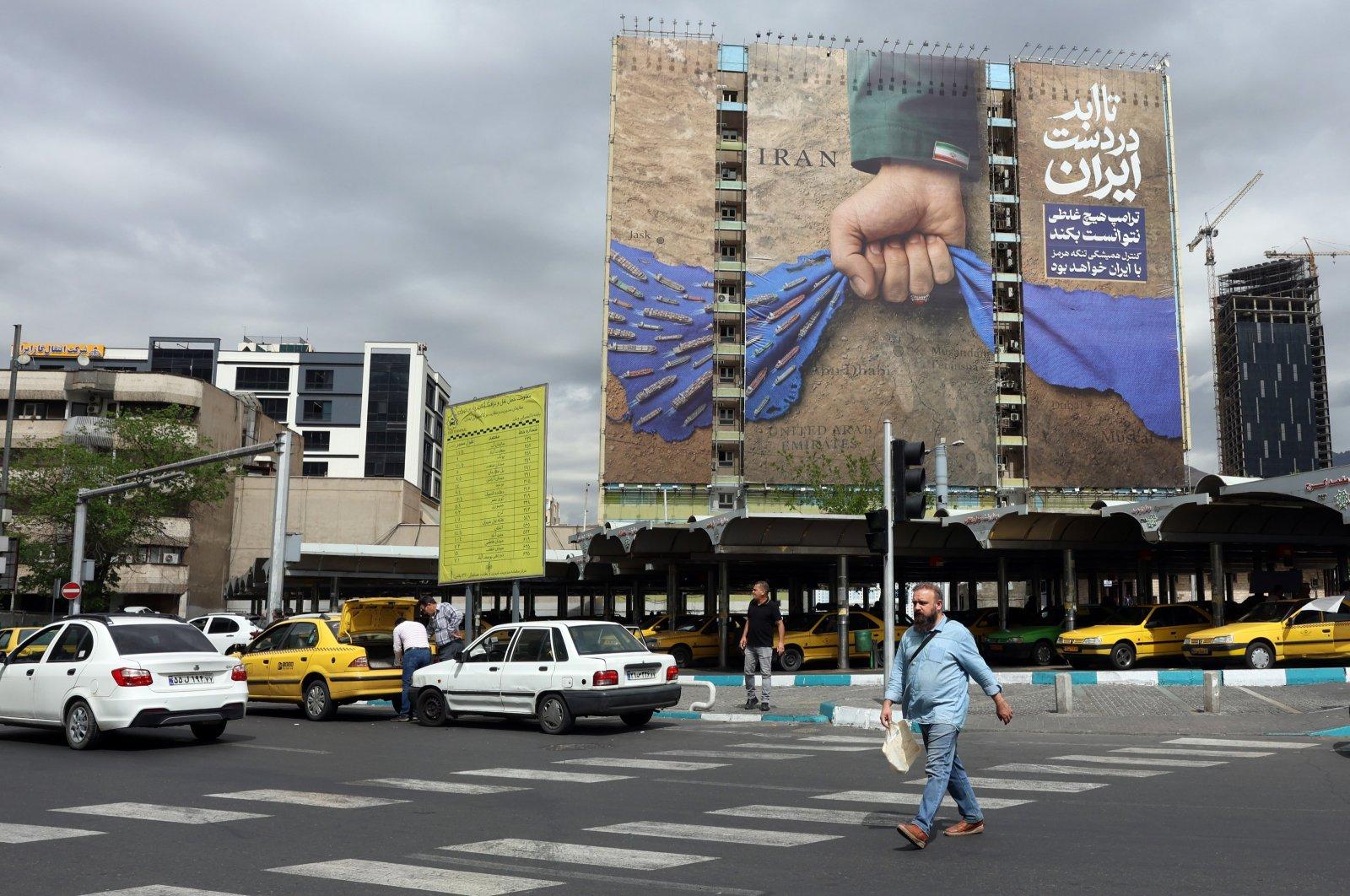
In parallel, multiple accounts tied the diplomacy to Pakistan as a mediator, with Trump’s extension linked to a request from Pakistan “which is mediating the peace talks,” and with another report saying mediation efforts from Pakistan hosted talks in Islamabad to help de-escalate tensions.
The Jerusalem Post reported that “The talks are expected to take place in Pakistan,” and said that by Tuesday “the diplomatic picture appeared somewhat firmer than it had been a day earlier.”
That same account described Vice President JD Vance as “set to travel to Pakistan,” while also noting “important uncertainties remained,” and it cited a Pakistani source saying the truce was due to expire at “8 p.m. Eastern Time on Wednesday.”
Another report said the indefinite postponement of Vice President J.D. Vance’s trip to Islamabad was “the most obvious sign of the political impasse,” after the mission had been “supposed to accompany the new round of talks.”
The White House also laid out conditions for ending the war, including that Iran “abandon its nuclear ambitions and reopen the Strait of Hormuz,” while Iran pushed back on “the idea of a “complete ceasefire” as the United States continues a naval blockade of Iranian ports.”
Economic pressure and energy markets
The US-Iran maritime standoff was presented as both a diplomatic obstacle and an economic lever, with oil prices reacting to disruptions and warnings.
“The Middle East is currently gripped by escalating tensions between the United States and Iran, marked by a significant naval blockade, stalled diplomatic negotiations, and notable shifts in leadership within the US Navy”
NDTV Profit said Brent crude “climbed above $105” as “US-Iran Peace Talks Stall, Hormuz Tensions Escalate,” and it reported Brent crude “hovered near $106 a barrel” while WTI “traded around $97.”
It also described the US as maintaining “a naval blockade on ships linked to Iran, aiming to increase pressure on Tehran,” while Iran kept the strait “largely shut to international traffic” and “escalated tensions” with reports of gunboats firing on commercial vessels.
The same report said Iran’s Foreign Minister Abbas Araghchi called the blockade a “violation of the ceasefire,” and it described the near-closure as reducing exports from major producers in the Persian Gulf and amplifying supply fears.
Another account said the US naval warning to ships helped push oil prices higher, reporting that “oil prices rose by more than 1%, with Brent crude futures at $99.40 per barrel, up 99 cents,” before edging lower.
The Jerusalem Post framed the stakes as including “another sharp jump in global oil and shipping prices,” and it described Trump’s threats as pairing “public threats with claims that a deal may still be within reach.”
In a separate report, White House press secretary Karoline Leavitt said, “They're losing $500 million a day,” and described the “Kharg Island” as “completely full” and “They can't move oil in and out.”
Attacks, seizures, and competing narratives
The sources describe a cycle of attacks and seizures in the Strait of Hormuz, with each side presenting its actions as enforcement rather than escalation.
The Jerusalem Post said that “On Monday, the US attacked and seized an Iranian cargo ship that it said had tried to break the American naval blockade of the Strait of Hormuz,” and it reported that Iran “condemned the move as a ceasefire violation, demanded the vessel’s release, and warned it would retaliate if the pressure campaign continued.”

Another report said Iran’s paramilitary Revolutionary Guard fired on three ships in the Strait of Hormuz on Wednesday, “seizing two of them,” and it added that the US military had directed “29 vessels to turn around or return to port since the blockade took effect.”
A separate account said Iran’s Revolutionary Guards announced they “had attacked and subsequently seized two ships in the Strait of Hormuz,” identifying them as “the container ships MSC Francesca and Epaminondas,” and it said “A third ship, the Euphoria, was reportedly attacked and subsequently ran aground off the Iranian coast.”
That same account said the crews were “reportedly safe,” and it described the incidents as fueling “international concern” about merchant shipping safety.
Fox News coverage also emphasized the US blockade and financial pressure, with Lt. Gen. Keith Kellogg discussing “the strategic importance of the Strait of Hormuz, the U.S. blockade and the financial pressure on Iran.”
Meanwhile, LiveNOW from FOX reported that Iranian forces attacked three ships, and it quoted Iranian officials saying the ships “allegedly operated without authorization” and “endangering maritime security.”
Consequences and next steps
The immediate consequences described across the sources center on mine-clearing timelines, legislative pushback, and the risk of further escalation as negotiations remain uncertain.
“Donald Trump has decided to extend the truce with Iran, initially set to expire today, effectively postponing a possible immediate resumption of hostilities”
LiveNOW from FOX reported that “Clearing mines in Strait of Hormuz could take months” and said “The Pentagon told lawmakers this week it will likely take six months to clear the mines set in the strait, a source told The Associated Press.”
It also said the US Senate rejected an attempt to stop Trump’s military efforts, with the resolution rejected “46-51 on Wednesday,” and described it as the “fifth time this year that the Senate voted to cede its war powers to the president in a conflict that Democrats say is illegal and unjustified.”
The same report said White House press secretary Karoline Leavitt told FOX News that the seizure of two ships “did not violate the terms of its ceasefire,” while also saying the blockade remained in effect.
In parallel, the Maine Wire described the ceasefire deadline as “Wednesday evening, April 22, 2026,” and said Trump was “highly unlikely” to extend the truce if no final agreement was reached, while also warning that if the ceasefire ends without a deal, the United States will “bomb Iran’s power plants” and destroy “power plants and bridges.”
The Jerusalem Post similarly warned that the ceasefire “threatens to unravel,” potentially plunging the region into broader escalation involving “Israel, Lebanon, and other major players,” and it cited Trump’s threat posted on his social network: “the United States is going to knock out every single Power Plant, and every single Bridge, in Iran.”
The sources also show that even when ceasefire language changes, the core dispute over the blockade and maritime pressure remains central, with Iran insisting it would not reopen the strait while the blockade is in place and the US continuing to demand a unified proposal for negotiations.
More on USA
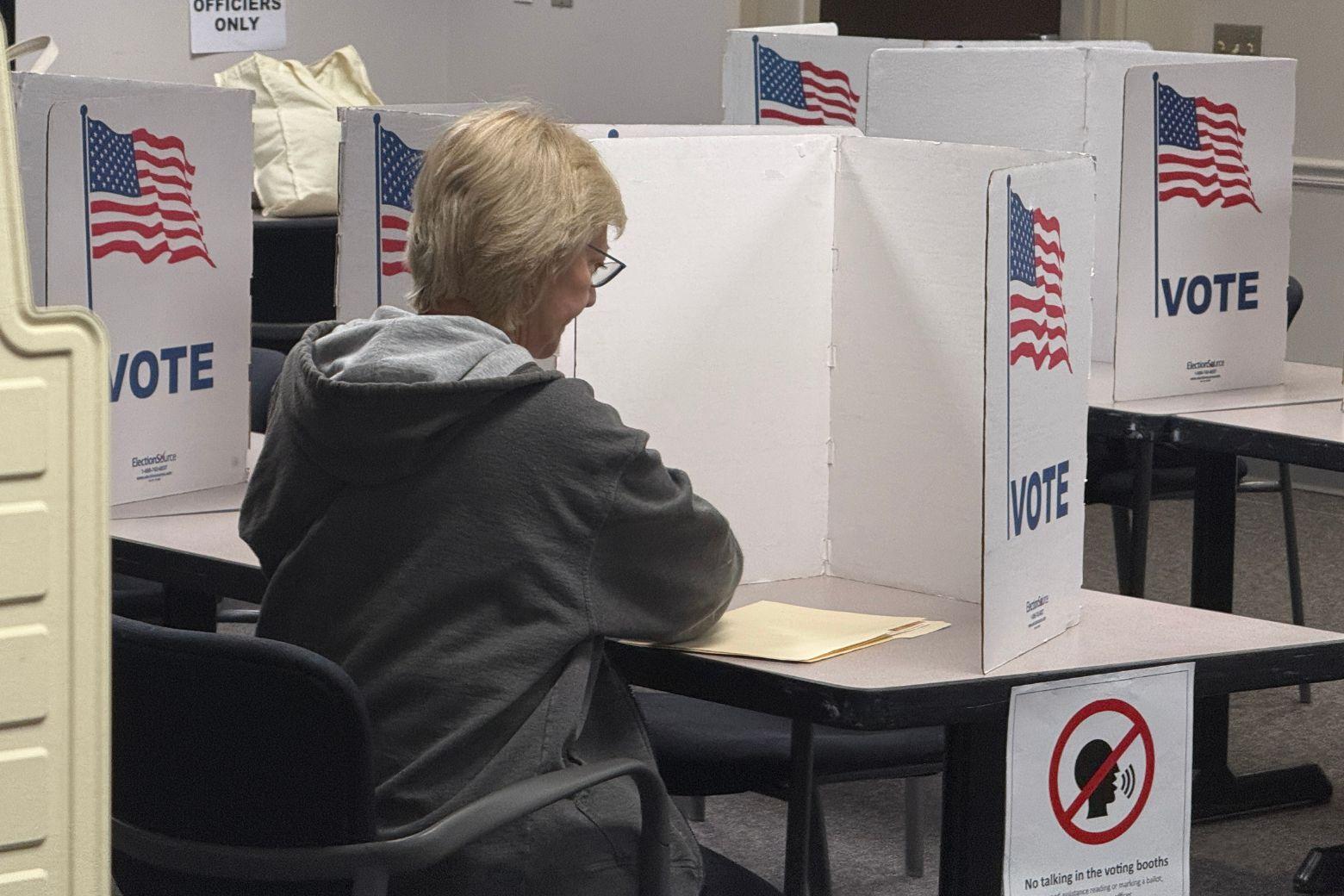
Virginia Voters Approve Redistricting Referendum as Judge Pauses Certification
19 sources compared

Pete Hegseth Fires Navy Secretary John Phelan as US Blockade of Iranian Ports Continues
11 sources compared

9th Circuit Blocks California Law Requiring ICE Agents To Wear Identification
12 sources compared

Jack Hurley Blocks Virginia Redistricting Referendum Certification, Republican National Committee Wins
23 sources compared