
Abbas Araghchi Says Iran Keeps Strait of Hormuz Open for Friendly Commercial Shipping
Key Takeaways
- Strait of Hormuz remains open to commercial shipping from friendly countries.
- Vessels must coordinate passage with Iranian naval forces for safe transit.
- Access is restricted to enemies; openness applies to friendly states.
Hormuz open for friends
Iran’s Foreign Minister Abbas Araghchi said the Strait of Hormuz “remains open to commercial shipping from ‘friendly countries,’” while saying vessels are expected to coordinate passage with Iranian forces for safe transit.
Araghchi made the remarks after a BRICS foreign ministers’ summit in New Delhi, and he told Indian media that Iran does not consider the strategic waterway closed for friendly nations.
In a separate report, Iran’s Foreign Minister Abbas Araghchi said on Thursday that, from Tehran’s perspective, the Strait of Hormuz remains open to all commercial vessels provided they coordinate with Iranian naval forces.
The same reporting tied the comments to heightened regional tensions, including a claim about a secret visit by Israeli Prime Minister Benjamin Netanyahu to the UAE and a denial by the UAE’s WAM news agency.
Coordination, not talks
Iran’s Foreign Minister Abbas Araghchi said on Tuesday that “no decision has been made yet regarding negotiations with Washington,” while also telling the press that all measures have been taken to ensure the safe passage of ships belonging to friendly states through the Strait of Hormuz.
Araghchi said what is happening with the United States “does not amount to negotiations,” and he described it as a direct exchange of messages either directly or through friendly parties in the region.
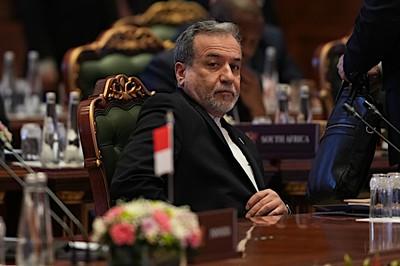
In remarks carried by IRNA, Araghchi said, “As far as we are concerned, the Strait of Hormuz is not closed, especially for friendly countries,” and he said the restriction is applied only to enemies.
Araghchi added that vessels belonging to friendly countries and other states are “only required to coordinate their passage with our armed forces to prevent any possible obstruction and to ensure safe passage.”
Ships pass; energy stakes
Iran’s Foreign Minister Abbas Araghchi said the Strait of Hormuz is open to friends but restricted to enemies, and he framed the dispute around what he called a war of aggression that the United States and Israel imposed.
In Pakistan-related reporting, Ishaq Dar, Pakistan's Foreign Minister and Deputy Prime Minister, said Iran agreed to allow passage of 20 ships flying the Pakistani flag through the Strait of Hormuz, with “two ships will pass through the strait daily.”
A separate report said Ali Mousavi, Iran's representative to the International Maritime Organization, linked the Strait’s status to U.S. President Donald Trump’s threat to strike Iranian power plants if the waterway is not fully opened within 48 hours.
Mousavi warned that Iran’s threat to carry out attacks during the US-Israeli war against it has prevented most ships from crossing the narrow strait, which serves as a passage for about one-fifth of global oil and LNG supplies, risking a global energy crisis.
More on Iran

U.S. And Iran Agree To Stop Strikes, Hold Strait Of Hormuz Talks In Doha
19 sources compared

Trump, Iran Pause Strikes as Delegations Head to Qatar for Talks
11 sources compared
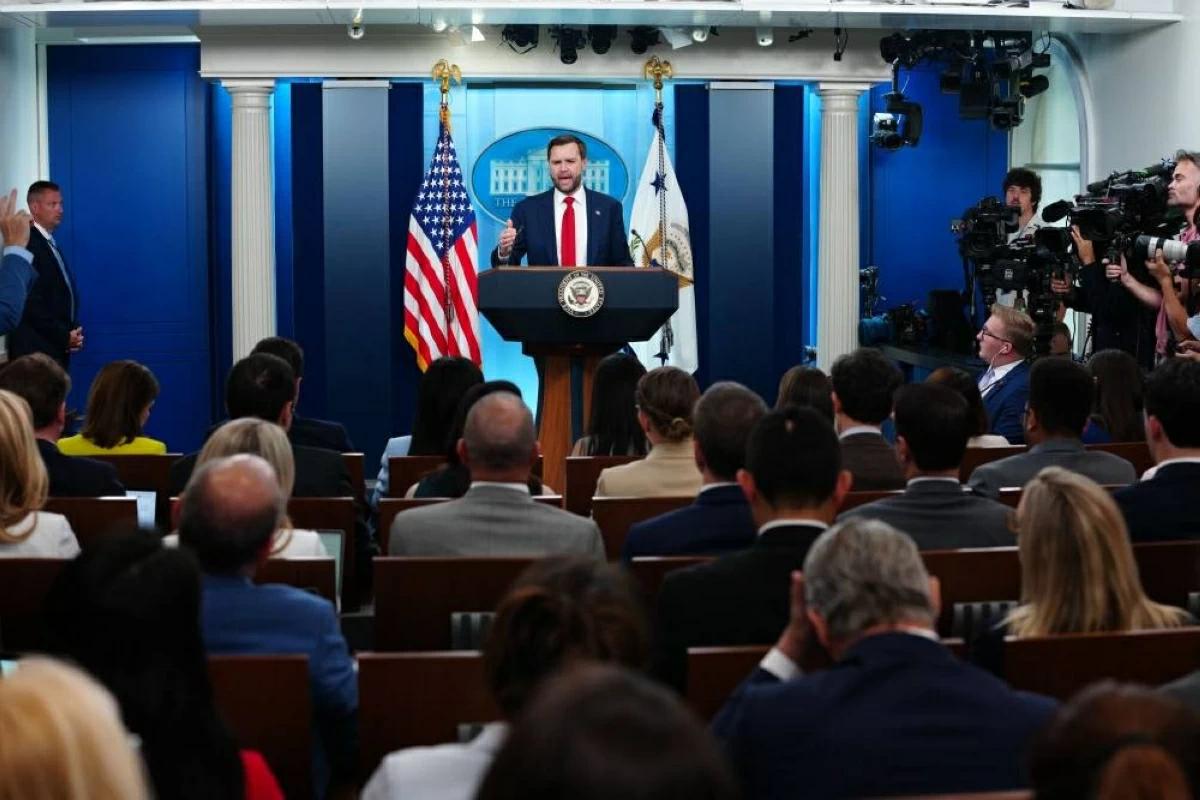
Trump Announces U.S.-Iran Doha Meeting After Days of Hostilities Threatened MoU Talks
24 sources compared
.jpg&w=3840&q=75)
Donald Trump Says U.S. and Iran Will Meet in Doha Tuesday After Days of Strikes
33 sources compared