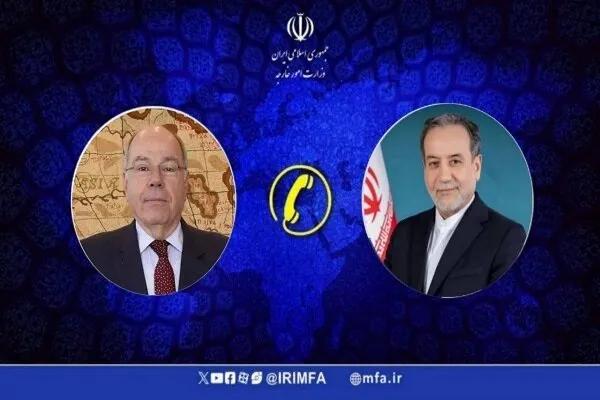
Abbas Araqchi Calls Spain’s Foreign Minister José Manuel Albares On U.S. Negotiations
Key Takeaways
- Araqchi discussed the status of negotiations with the United States to end the war.
- Talks were conducted by telephone between Iran and Spain.
- They discussed regional and international developments and bilateral relations.
Araqchi, Albares and the U.S. talks
Iran’s foreign minister, Abbas Araqchi, spoke by telephone with Spain’s foreign minister, José Manuel Albares, to discuss “the details of the ongoing negotiations to end the war with the United States,” according to Infobae.
The call, which Araqchi requested, also included Albares reiterating “Spain's support for the diplomatic path and the ongoing negotiations to achieve a definitive peace,” the Infobae report said, citing “sources from the Ministry of Foreign Affairs and Cooperation.”
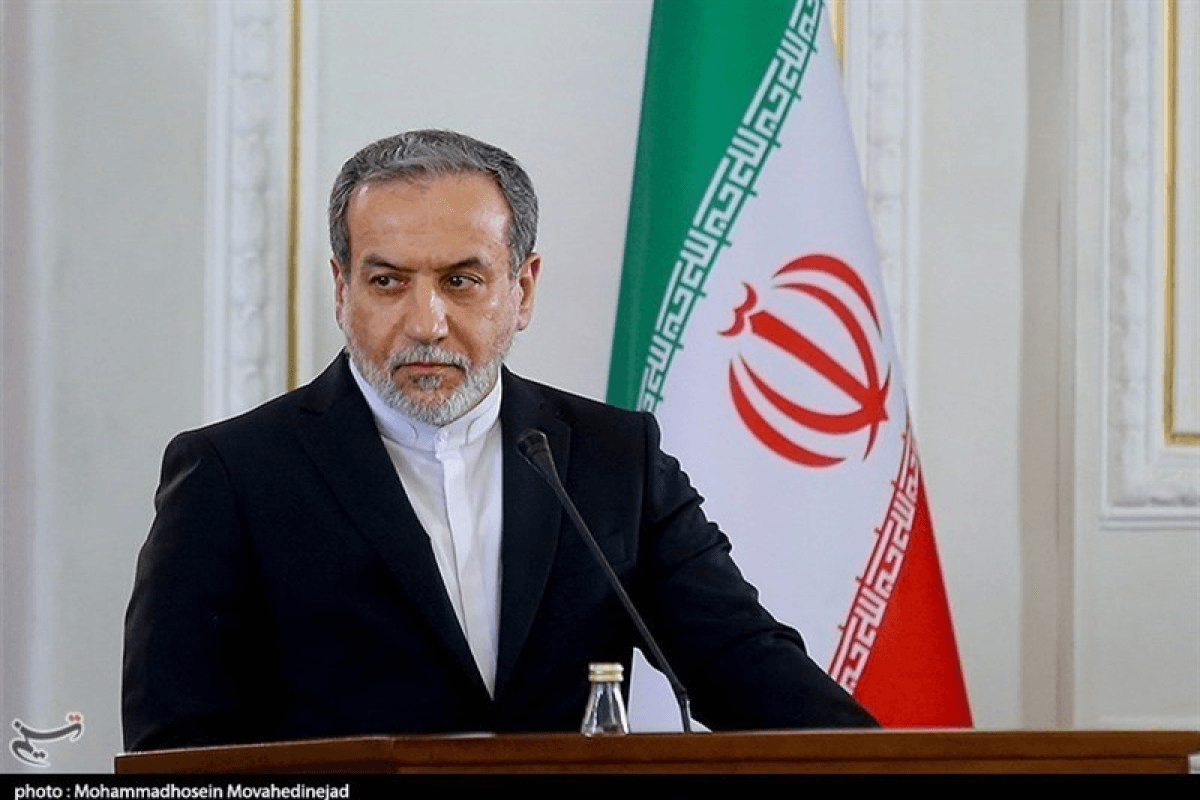
Infobae said Iran’s Foreign Ministry confirmed the conversation and that both sides exchanged views on “the latest regional and international developments, as well as on bilateral relations.”
Araqchi, in Infobae’s account, highlighted “the Islamic Republic of Iran's responsible approach to maintaining stability and sustainable security in the region” and described Iran’s diplomatic efforts to end “the war imposed by the United States and the Zionist regime against Iran.”
The same Infobae report said Araqchi had held a series of contacts with other foreign ministers, “most recently with the foreign minister of Oman, Badr al Busaidi; Germany's foreign minister, Johann Wadephul; and Brazil's, Mauro Vieira.”
In parallel, Infobae reported that “the exchange of proposals between Washington and Tehran continues,” and that on Saturday Iran said it had transmitted to the United States via Pakistan a “14-point offer” to end the war within “30 days.”
A 14-point offer and a response
Alongside the Araqchi–Albares call, Infobae reported that on Saturday Iran said it had transmitted to the United States via Pakistan a “14-point offer” that “envisions ending the war within 30 days.”
This Sunday, Infobae said, Esmail Baqaei, “spokesman for the Iranian Foreign Ministry,” reported that Iran had received “the United States' response to the plan and that authorities are already studying it.”

Infobae added that Iran’s proposal envisions ending the war within “30 days,” while “Washington's plan” calls for “a two-month ceasefire,” creating a direct timeline contrast between the two sides.
Infobae also said Tehran seeks “assurances of non-aggression,” “the withdrawal of U.S. forces from the vicinity of Iran,” “an end to the naval blockade,” and “or the release of frozen Iranian assets.”
The same report said the Iranian proposal also contemplates “compensation payments,” “the lifting of sanctions,” and “the end of the war on all fronts, including Lebanon,” or “the establishment of a new mechanism for the Strait of Hormuz.”
El Nuevo Diario, in its Madrid dateline, similarly said that Iran confirmed it had “already received via Pakistan the United States' response to Iran's 14-point proposal aimed at ending the war,” and that the contents were being analyzed before Iran issues an official response.
Embassy reopening and Hormuz passage
El País reported that José Manuel Albares announced “the reopening of Spain's Embassy in Iran” as “a bid for peace,” linking the diplomatic move to efforts to turn “the two-week ceasefire into a definitive solution for the conflict.”
“The Israeli Foreign Minister accuses Spain of going 'hand in hand with a terrorist regime'”
The Spanish Foreign Ministry, El País said, justified the earlier closure of the mission on security grounds after “the Spanish ambassador in Tehran, Antonio Sánchez-Benedito, left Iran on March 7, after all Spaniards who wished to leave the country had been evacuated.”
El País said Albares communicated the decision to Abbas Araghchi, and that Albares had also spoken with foreign ministers of Pakistan, Oman, Qatar, Bahrain and Kuwait, as well as with Lebanon’s Youssef Raggi, to convey Spain’s support in response to Israel’s “brutal and indiscriminate” attacks that “have left hundreds dead.”
In the same report, El País said Albares described the Israeli army’s attack on Lebanon as “an authentic disgrace to the conscience of all humanity,” and argued that Spain’s proposed suspension of the EU-Israel association agreement over “the Gaza genocide” made “even more sense” after another violation of international law.
El País also said that in his conversation with the Iranian minister, Albares asked him to guarantee the “free and safe” passage of ships through “the Strait of Hormuz,” which “is not yet happening, according to his interlocutor, who apologized citing 'technical problems,'” as El País wrote.
The reopening triggered a response from Israel’s foreign minister Gideon Saar, who accused Spain of going “hand in hand” with Iran, writing on X that “An eternal disgrace,” and El País quoted Saar’s line that “Spain reopens its embassy in Tehran. Hand in hand. Without shame. An eternal disgrace.”
Competing narratives and diplomatic friction
Across the Spanish and Iranian diplomatic thread, the sources also show how the same negotiations and diplomatic gestures are framed differently by different outlets and actors.
Infobae described Araqchi’s approach as “responsible” and said he explained Iran’s “diplomatic efforts and initiatives to end the war imposed by the United States and the Zionist regime against Iran,” while El Nuevo Diario emphasized that the Iranian proposal is “focused exclusively on ending the war” and that “matters related to the nuclear program have absolutely no place” in that plan.

El País, meanwhile, tied Spain’s embassy reopening to a bid for peace and reported that Israel’s foreign minister Gideon Saar accused Spain of going “hand in hand” with Iran, writing “Hand in hand. Without shame. An eternal disgrace.”
In the same El País report, Albares responded that the decision is “a bid for peace,” which “all should support 'in all places and forums possible.'”
The contrast is sharpened by the way each source characterizes the negotiation process: Infobae said “the exchange of proposals between Washington and Tehran continues,” while El Nuevo Diario said Iran had “already received via Pakistan the United States' response” and that the American stance “is being evaluated.”
Even the discussion of regional issues differs in emphasis, with Infobae listing Iran’s request for “the establishment of a new mechanism for the Strait of Hormuz,” while El País reported that Albares asked for “free and safe” passage and was told it was “not yet happening” due to “technical problems.”
What comes next for talks
The sources portray the next phase of the Iran–U.S. negotiations as dependent on analysis of the U.S. response and on Iran’s willingness to issue an official reply, while Spain’s diplomacy is presented as aimed at sustaining ceasefire momentum.
“Iran's Foreign Minister, Abbas Araqchi, held a telephone conversation this Sunday with his Spanish counterpart, José Manuel Albares, in which he discussed the details of the ongoing negotiations to end the war with the United States”
Infobae said Iran’s spokesman Esmail Baqaei reported that Iran had received “the United States' response to the plan and that authorities are already studying it,” and that “the exchange of proposals between Washington and Tehran continues.”

El Nuevo Diario likewise said the U.S. position “is being evaluated,” and that “once the analysis is completed, Iran will present its response,” with the spokesman telling state television that “The United States' position on Tehran's proposal has reached Iran through Pakistan.”
In parallel, Infobae reported that Iran’s 14-point offer envisions ending the war within “30 days,” contrasting with Washington’s “two-month ceasefire,” and that Tehran seeks multiple assurances including “the withdrawal of U.S. forces from the vicinity of Iran” and “an end to the naval blockade.”
El País added that Spain’s foreign minister announced the embassy reopening as a way to help turn “the two-week ceasefire into a definitive solution,” and that Albares asked Iran to guarantee “free and safe” passage through the Strait of Hormuz, which his interlocutor said was not yet happening due to “technical problems.”
Mehr News Agency’s report of the Araqchi–Albares call also emphasized Araqchi’s “responsible approach in maintaining stability and sustainable security in the region” and described Iran’s “diplomatic efforts and initiatives to end the war imposed by the United States and the Zionist regime against Iran.”
More on Iran

Trump Announces Project Freedom To Guide Stranded Ships Out Of Strait Of Hormuz Monday
19 sources compared
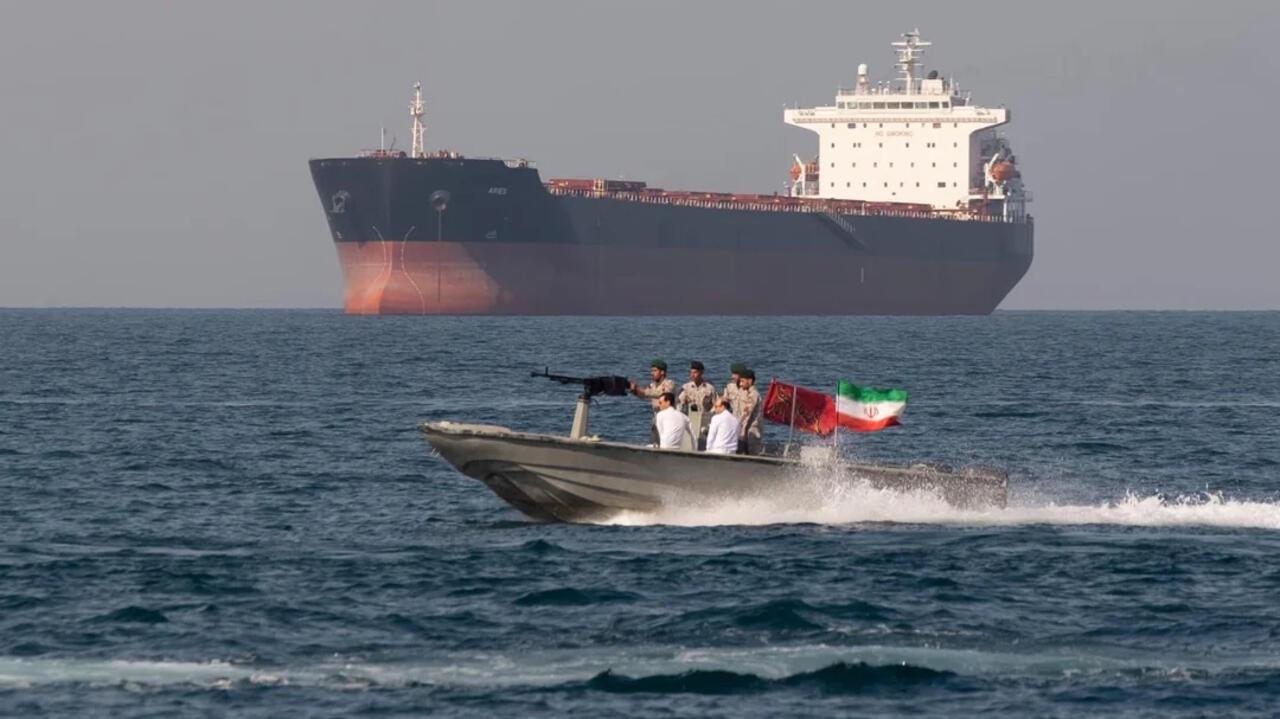
Iran Claims It Struck U.S. Navy Vessel Near Strait of Hormuz, CENTCOM Denies
19 sources compared
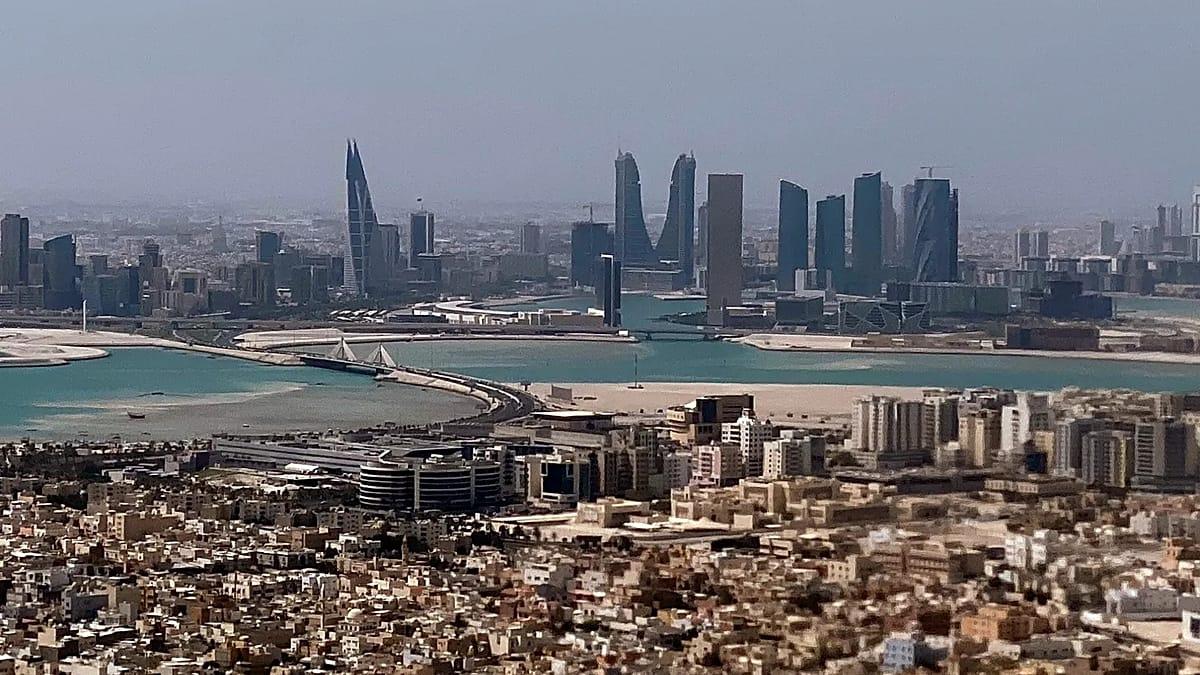
Iran Destroys 74 Missiles And 117 Drones In Bahrain, Bahrain Defence Forces Say
10 sources compared
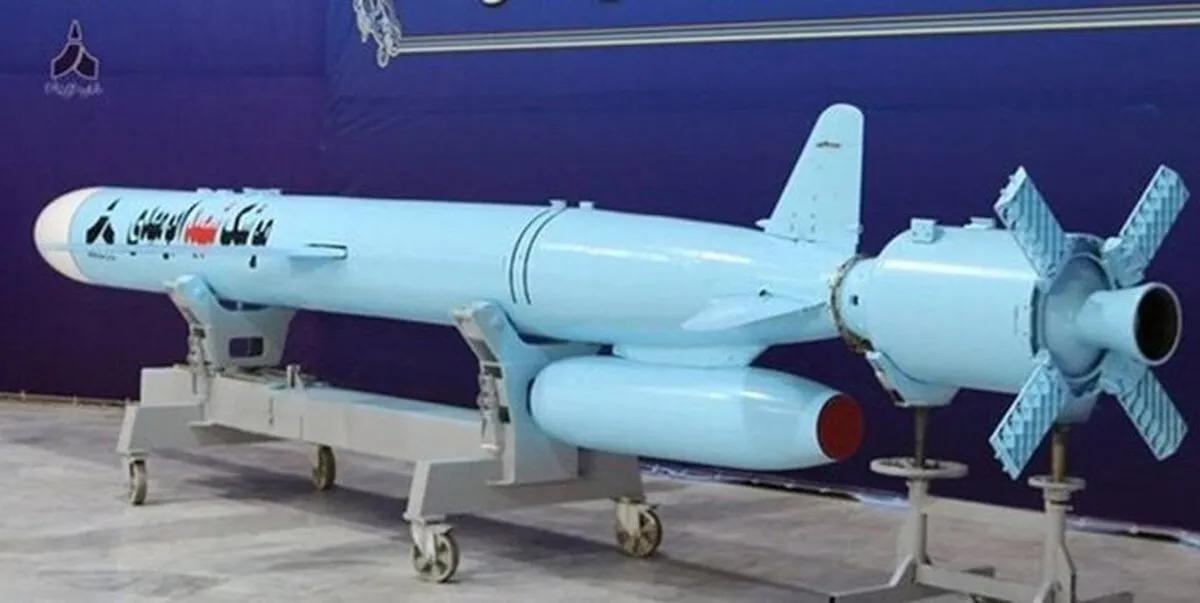
Iranian Media Claims Two Missiles Hit US Frigate Near Strait of Hormuz, Washington Denies
29 sources compared