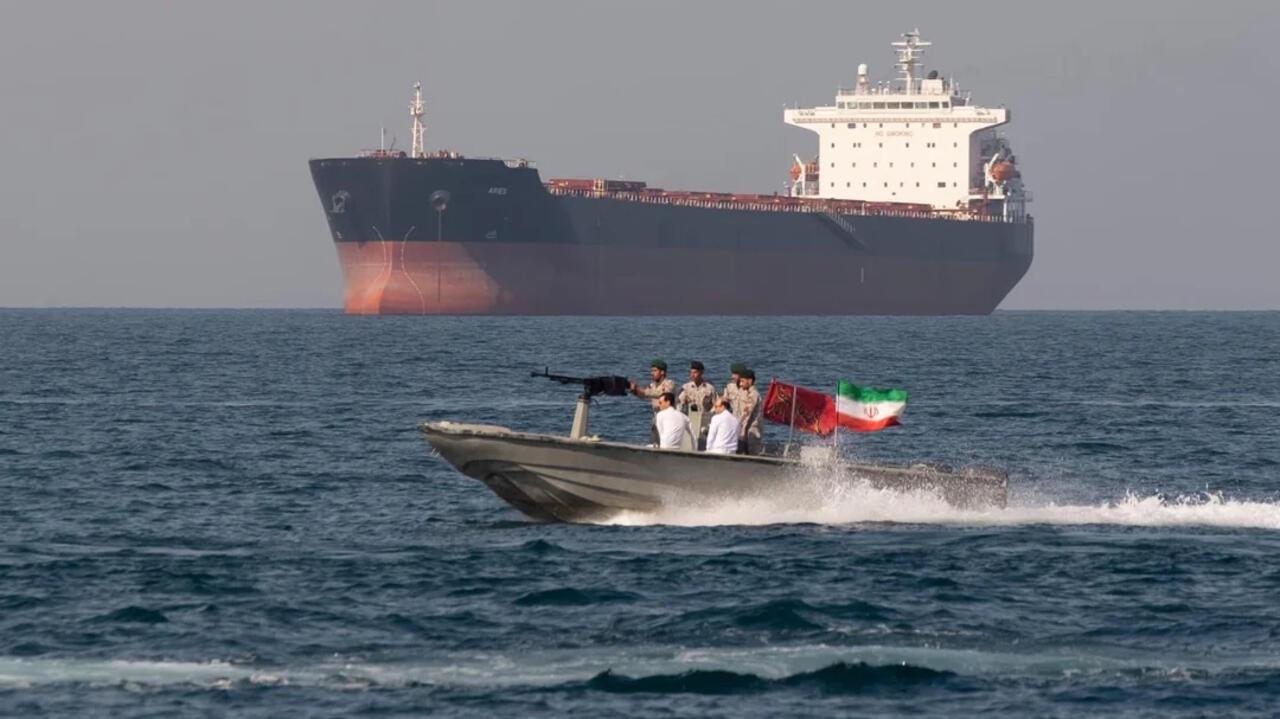
Iran Claims It Struck U.S. Navy Vessel Near Strait of Hormuz, CENTCOM Denies
Key Takeaways
- Iran said two missiles struck a U.S. Navy vessel near Jask Island.
- U.S. Central Command denied any U.S. ship was struck.
- Two U.S.-flagged ships transited the Strait of Hormuz.
Missile claim denied
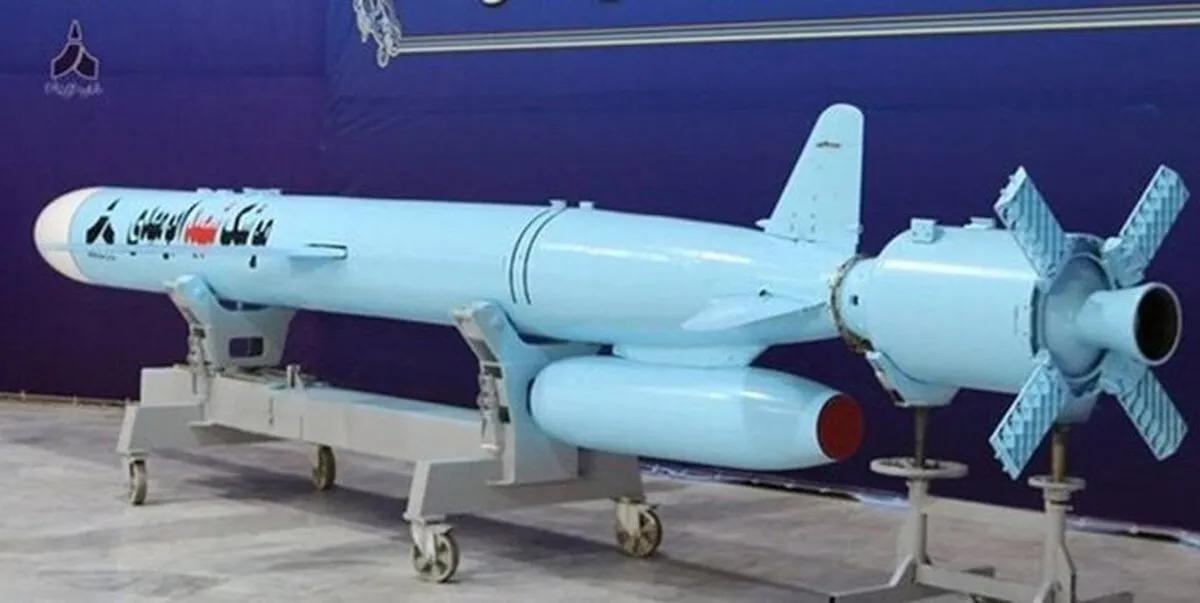
Iran claimed it struck a U.S. Navy vessel near the Strait of Hormuz, but U.S. Central Command (CENTCOM) denied the report and said no U.S. Navy ships were hit as President Donald Trump launched a new mission to reopen the waterway.
“Iran says 2 missiles hit US navy vessel near Gulf of Oman, Washington denies 'No U”
CNBC reported that CENTCOM denied Iranian state media claims that a U.S. warship transiting the Strait of Hormuz was struck by two missiles and forced to retreat, saying, "No U.S. Navy ships have been struck," and adding, "U.S. forces are supporting Project Freedom and enforcing the naval blockade on Iranian ports."

NBC News similarly said the U.S. military rejected Iranian claims and stated that the first commercial ships had transited the Strait of Hormuz as part of Trump’s mission to guide stranded vessels, with CENTCOM posting, "No U.S. Navy ships have been struck."
The dispute centered on Iranian state media and IRGC-aligned outlets, including Fars, which said the targeted vessel was "unable to continue its course following the strikes and was forced to retreat and flee the area."
The Times of Israel described the flare-up as coming "a day after US President Donald Trumpsaidthe American military would guide trapped ships through the blockaded waterway and respond “forcefully.”"
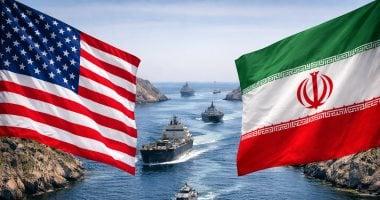
In parallel, the U.S. said it was supporting Project Freedom with guided-missile destroyers and other assets, while Iran warned that any foreign armed force approaching the strait would be attacked.
Project Freedom launched
Trump’s announcement set the stage for the confrontation over the Strait of Hormuz, with the U.S. framing the effort as a way to help ships that were “locked up” amid the maritime standoff.
NBC News said Trump announced that starting Monday the U.S. military would help free ships that have been “locked up” and unable to transit the key trade route, and it reported that the U.S. would guide ships from countries not involved in the Middle East crisis safely out of the strait, “so that they can freely and ably get on with their business.”

CNBC reported that Trump announced the operation in a Truth Social post Sunday evening and that CENTCOM said U.S. guided-missile destroyers were "currently operating in the Arabian Gulf after transiting the Strait of Hormuz in support of Project Freedom."
The Times of Israel added that CENTCOM said the mission would support merchant vessels seeking to freely transit through the essential international trade corridor and would combine “diplomatic action with military coordination.”
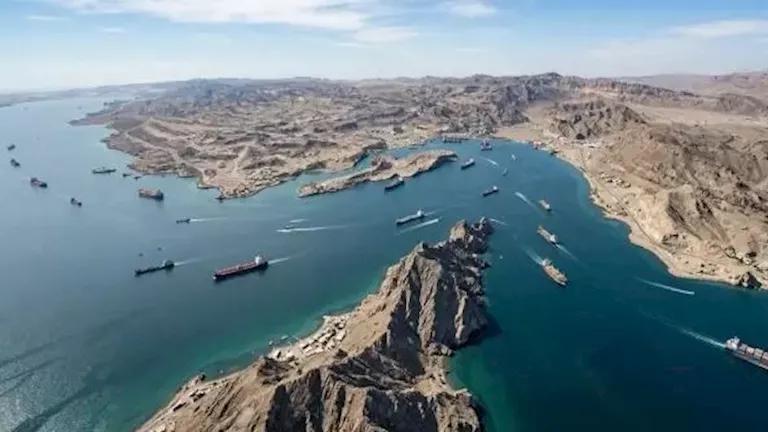
The U.S. also described a specific security posture for shipping, with NBC News reporting that the Joint Maritime Information Center established an “enhanced security area” to the south of usual shipping routes and advised vessels to consider routing via Oman territorial waters because usual routes were “extremely hazardous due the presence of mines that have not been fully surveyed and mitigated.”
The Times of Israel echoed the mine hazard warning, quoting the task force that passing close to the usual routes “should be considered extremely hazardous due to the presence of mines that have not been fully surveyed and mitigated.”
In the same reporting stream, Axios said U.S. officials told it there was “no current plan for full-fledged naval escorts,” and that Navy ships would be "in the vicinity" and at the ready alongside aircraft.
Iran’s warnings and maps
Iran responded to the U.S. move with warnings, statements, and new claims about control of the strait, while also describing the U.S. operation as a violation of the ceasefire.
NBC News reported that Tehran issued a new map and a flurry of statements that sought to reassert its control, and it said Iran signaled an aggressive response by claiming it had stopped U.S. destroyers from entering the strait after the U.S. warships ignored several radio warnings, cruise missiles, rockets and combat drones were fired near them.
The Times of Israel quoted Iran’s military chief Ali Abdollahi Aliabadi warning that, “We warn that any foreign armed force — especially the aggressive US military — will be attacked if they intend to approach and enter the Strait of Hormuz,” and it also said Iran’s statement added, “any safe passage must be coordinated with these forces.”
CNBC similarly reported that Iran’s Fars News Agency said the ship was attacked "after ignoring a warning from the Islamic Republic of Iran's Navy," and it described the claim that the vessel was forced to retreat and flee the area.
Anadolu Ajansı reported that Iran’s semi-official Fars news agency said the vessel was targeted after ignoring a warning from Iran’s Navy and that it was "forced to turn back and flee the area.”
In the same broader set of reporting, the Jerusalem Post said Iran’s navy did not hit a U.S. Navy ship, but it described Iran’s preparation of other scenarios and noted that Iran’s Tasnim News Agency said Tehran had prepared other scenarios it would activate "if necessary."
The U.S. and Iran also exchanged operational messaging about coordination, with NBC News reporting that Iran’s military command cautioned passage must be carried out in coordination with Tehran, and with the Times of Israel describing the IRGC-aligned posture that safe passage must be coordinated with Iran’s armed forces.
Shipping, mines, and stranded crews
As the U.S. began Project Freedom, the reporting emphasized the operational hazards and the scale of disruption to maritime traffic, including mine risks and the number of stranded seafarers.
NBC News said the Joint Maritime Information Center urged mariners to consider routing via Oman territorial waters because usual routes were “extremely hazardous due the presence of mines that have not been fully surveyed and mitigated,” and it described the enhanced security area south of usual shipping routes.
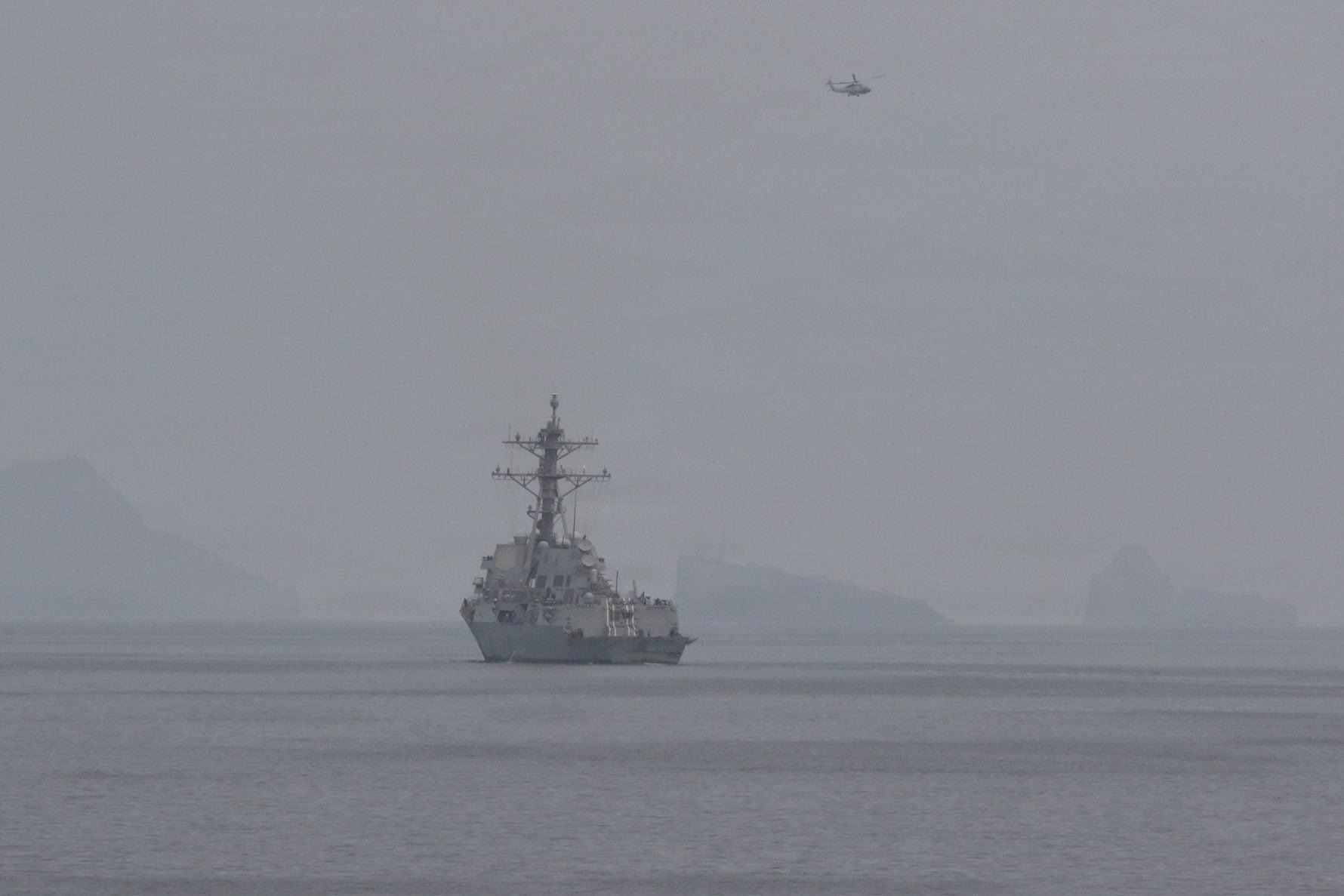
The Times of Israel likewise warned that passing close to the usual routes “should be considered extremely hazardous due to the presence of mines that have not been fully surveyed and mitigated,” and it described the U.S. posture as supporting merchant vessels through the “essential international trade corridor.”
The New York Post reported that the U.S. told shipping companies they could face sanctions for paying Iran to pass through the strait and said the U.S. maintained a naval blockade on Iranian ports since April 13.
It also cited the International Maritime Organization, saying that up to 20,000 crew members have been stranded on about 2,000 vessels in the Strait of Hormuz since the start of Operation Epic Fury, and it quoted Damien Chevallier saying, “There is no precedent for the stranding of so many seafarers in the modern age.”
Reuters reporting embedded in gCaptain said the Strait of Hormuz remained almost empty Monday despite the U.S. announcement, and it reported that by 5 a.m. ET tracking platforms had detected just a single vessel making its way through the passage.
CNBC also tied the standoff to energy disruption, saying the de facto closure had triggered a historic energy supply shock and that about 20% of the world’s oil was shipped through the strait prior to the conflict’s start.
Diverging frames and stakes
The reporting diverged in how it framed the same core episode—whether Iran’s missiles struck a U.S. warship or whether the U.S. operation was simply a defensive effort to restore transit—while both sides tied the dispute to broader stakes for diplomacy and global energy.
“By Tala Ramadan and Jacob Bogage DUBAI/DORAL, Florida, May 4 (Reuters) – Iran said it had forced a U”
CNBC described Iran’s claim as contradicting CENTCOM’s denial and said the dispute came as Trump ordered a U.S. naval blockade of Iranian ports in mid-April, hoping to pressure Iran to make a deal by blocking its oil export business, while also noting that experts told CNBC Iran could hold out for months.
NBC News emphasized the U.S. denial and the operational details of Project Freedom, including that “15,000 service members, guided-missile destroyers, over 100 land and sea-based aircraft and multi-domain unmanned platforms will be involved,” and it described Iran’s aggressive response through maps and statements.
The Times of Israel, while repeating the denial, highlighted the ambiguity in CENTCOM’s wording by noting that CENTCOM did not mention whether any U.S. vessels came under fire but weren’t struck, and it stressed Iran’s warning that “any safe passage must be coordinated with these forces.”
Quartz focused on market impact, reporting that oil prices surged after Iran’s claim and that Brent crude surged 5% at its peak, later trimming gains to roughly 3.2% and changing hands at $111.95 a barrel, after the disputed strike report.
Axios added a political and strategic framing, quoting a senior U.S. official telling Axios that “The president wants action. He doesn't want to sit still. He wants pressure. He wants a deal,” and it described the operation as a “humanitarian” mission with rules of engagement changed to authorize strikes against immediate threats.
In parallel, the Axios account said CENTCOM denied Iran’s claims and that the Iranian reaction would determine how Project Freedom develops, while also reporting that Trump’s envoys Jared Kushner and Steve Witkoff were exchanging drafts with Iran’s foreign minister, Abbas Araghchi.
More on Iran
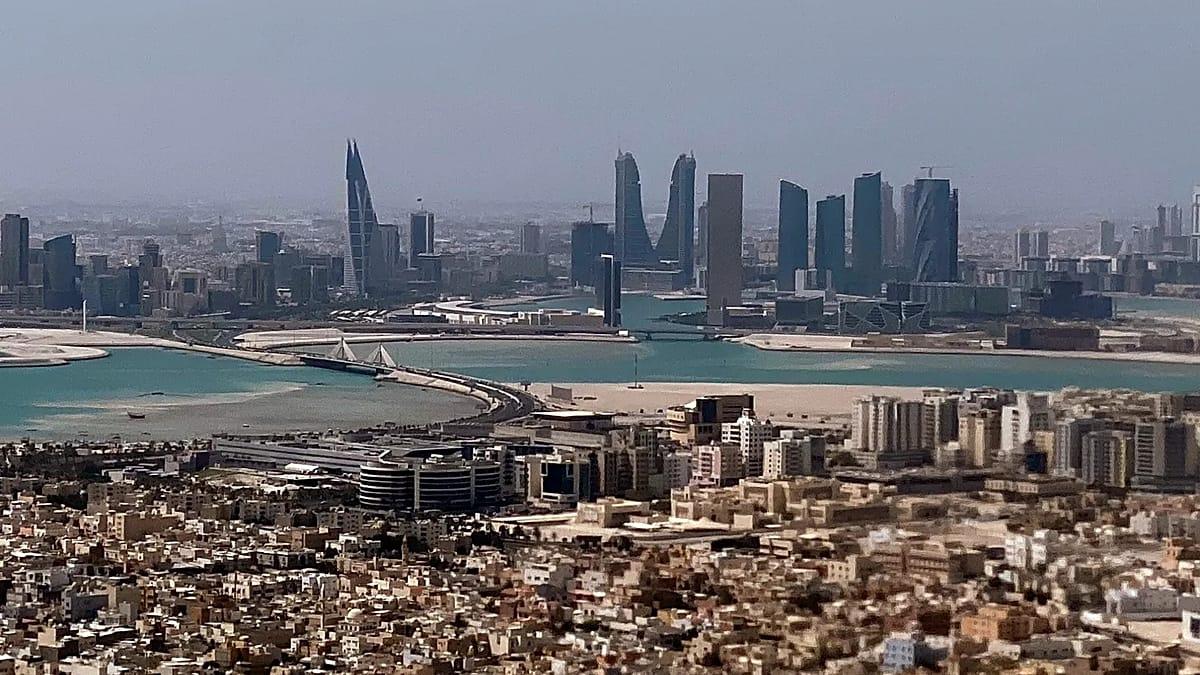
Iran Destroys 74 Missiles And 117 Drones In Bahrain, Bahrain Defence Forces Say
10 sources compared
Iranian Media Claims Two Missiles Hit US Frigate Near Strait of Hormuz, Washington Denies
29 sources compared

Iran Warns U.S. Forces Will Be Subjected To Attack In Strait Of Hormuz
37 sources compared
Iran Blocks Strait of Hormuz, Disrupting Shipping as U.S. Launches Project Freedom
13 sources compared