Iran · 04 May, 2026 · 7 min read
Iran Destroys 74 Missiles And 117 Drones In Bahrain, Bahrain Defence Forces Say
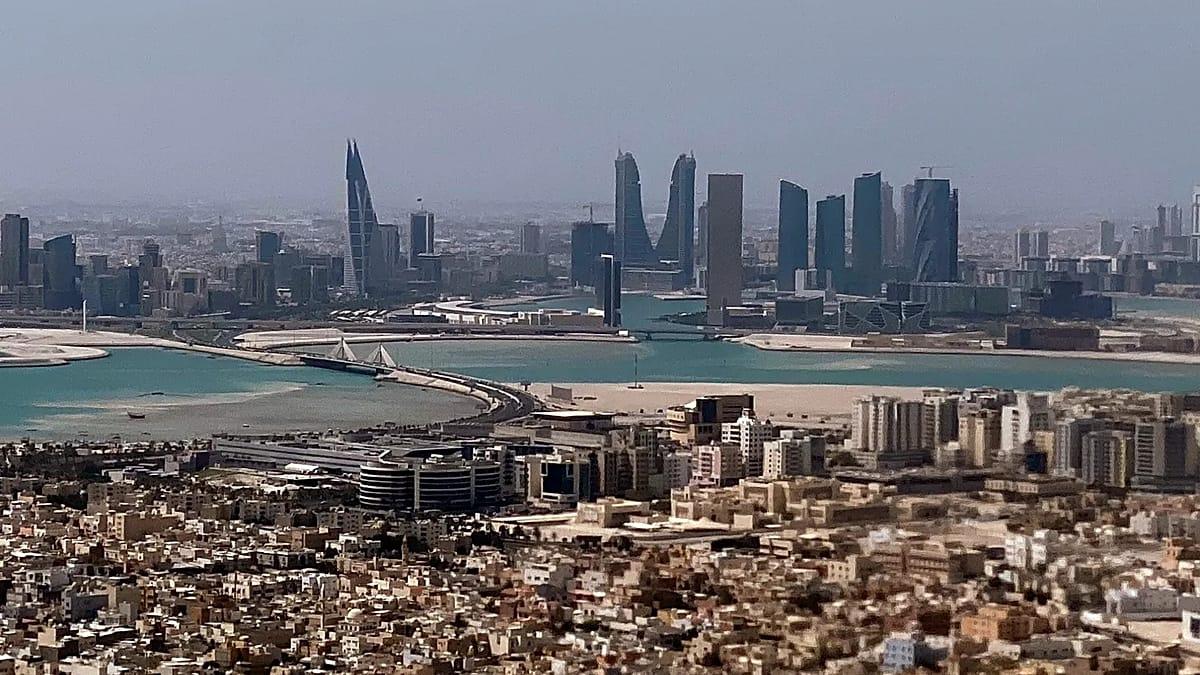
Iran attacked Gulf states including Bahrain and Saudi Arabia. Bahrain says 74 missiles and 117 drones were destroyed.
How Bahrain’s response to the missile/drone barrage is characterized (scale and readiness).
7 of 8 outlets skipped it: bahrain’s historical/sectarian relationship to Iran is detailed as a distinct narrative strand..
10outlets compared
Same story, two versions
tap a side to read it in full
ایرنا
““Evidence indicates that these missiles were fired from the Juffair base in Bahrain — the U.S. Navy's main base in the region.””Read the original ↗
BBC
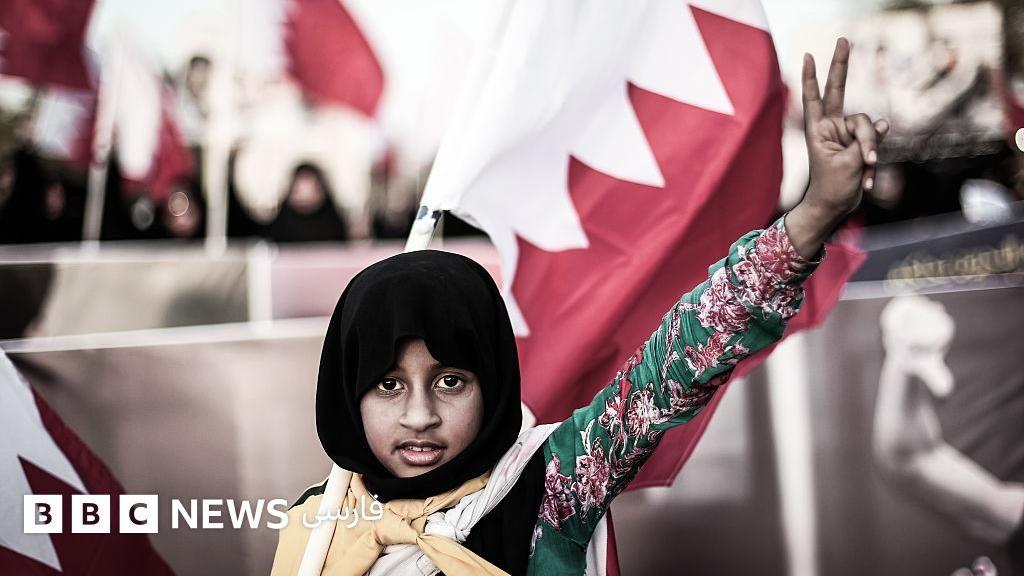
““Iran believes in friendship with neighboring countries, but is compelled to continue targeting the American bases located there””Read the original ↗
One outlet attributes responsibility directly to a Bahraini-based launch point (Juffair), while the other emphasizes Iran’s stated rationale: targeting American bases on Gulf territory rather than the states themselves.
Gulf strikes and defenses
Iran’s attacks on Gulf states are described across multiple reports as escalating beyond military targets and into areas tied to civilian life and regional infrastructure.
“an unmanned aerial vehicle was intercepted and destroyed east of the Jawf region”
In Saudi Arabia, the West Asian report says the Ministry of Defense spokesperson, Lieutenant General Turki al-Maliki, stated that an unmanned aerial vehicle was intercepted and destroyed east of the Jawf region, and that three drones were intercepted and destroyed east of the Al-Kharij governorate.

In Bahrain, the same report says the General Command of the Bahrain Defence Forces announced the destruction of 74 missiles and 117 drones since the start of the Iranian attacks on the country, while stressing “ongoing combat readiness and operational efficiency to protect the nation.”
It adds that the Bahrain Defence Forces said the use of ballistic missiles and unmanned aerial vehicles against civilian objects and private property constitutes a “flagrant violation of international humanitarian law and the UN Charter.”
In Qatar, the report says the Ministry of Interior announced the evacuation of residents living near the U.S. Embassy as a temporary precautionary measure, and that “alternative housing has been provided for residents.”
The BBC frames the broader pattern as Iran directing “missile strikes and drone attacks aimed at American bases and interests in several Gulf states,” after an initial response to an attack on Tehran on February 28.B
The BBC also says Iran’s strikes have included damage to “airports, ports, and various buildings,” along with injuries to civilians and residents, even as air defense systems intercepted most of the missiles and drones.B
Bahrain refinery fire and force majeure
Bahrain’s energy sector becomes a focal point in the reporting as Iran’s attacks are linked to a fire at the country’s only refinery and to subsequent export disruptions.
The West Asian report says Bapco Energy announced force majeure after a fire at the Al-Ma'amir facilities in an attack, and it says the company was declaring force majeure on its oil exports on Monday.
It reports that the Bahrain News Agency said the attack targeting Bahrain's extensive Al-Ma'amir oil facilities caused a blaze and material damage but “no casualties,” while firefighting operations were ongoing.
The report also says the damage to this “90-year-old refinery” was first reported last week, and that Bapco recently modernized this unit and increased its capacity to about 380,000 barrels per day, while upgrading units with greater ability to produce jet fuel and diesel.
It adds that QatarEnergy issued a similar statement after two of its LNG facilities were attacked and production halted, and that the Qatar energy minister had warned that “all Gulf exporters would be forced to take a similar decision within days.”
The same report says Kuwait, after reducing production in its fields and refineries, declared force majeure on oil sales, and it describes the broader market reaction with Brent crude rising above $114 per barrel on Monday.
In the same account, the report ties the energy shock to other reported impacts in Bahrain, including that Iran targeted a residential area, injuring 32 people including several children, and that Iranian drones damaged one of the kingdom's desalination facilities.
Red line and retaliation
Iran’s position on infrastructure attacks is presented as a “red line” in the reporting, with a specific condemnation of a desalination strike and a stated readiness to retaliate if the line is crossed.
“War against Iran should not be drawn into critical infrastructure such as water and energy”
The Other report says “War against Iran should not be drawn into critical infrastructure such as water and energy,” and it adds that “however, if the United States and its allies cross this red line, Iran reserves the right to defend itself and retaliate.”
It describes a recent attack in which “a seawater desalination plant on Qeshm Island was struck by American missiles,” and it says the attack caused “severe disruption to the drinking water supply for about 30 villages in the region.”
The report quotes Iran’s Foreign Minister Seyed Abbas Araghchi condemning the action, stating: “The United States, by attacking a desalination plant on Qeshm Island, has committed an overt and desperate crime. The water supply for 30 villages has been affected.”
It continues with Araghchi’s warning that “Attacking Iran's infrastructure is a dangerous act with heavy consequences,” and it adds: “This precedent was created by the United States, not by Iran.”
The report then says “Evidence indicates that these missiles were fired from the Juffair base in Bahrain — the U.S. Navy's main base in the region,” and it states that the IRGC “immediately announced that in direct response to this aggression, it targeted Juffair with precision-guided missiles (solid and liquid fuel).”
It also includes the IRGC’s framing that the attack was carried out “in response to the aggression of American terrorists from Juffair against the Qeshm plant.”
Why Iran targets the Gulf
The BBC provides a structured explanation for why Iran continues targeting Gulf Arab states, tying the strategy to deterrence, regional messaging, and economic pressure.
It says that after Iran’s initial response to the attack carried out by American and Israeli aircraft on Tehran on February 28, Iran began “directing missile strikes and drone attacks aimed at American bases and interests in several Gulf states.”

It also says the BBC’s account of the rationale includes “Decisive statements from the Supreme Leader,” specifically Mojtaba Khamenei’s affirmation that Iran “would not hesitate to retaliate for the American and Israeli attacks against Iran.”B
The BBC reports that Khamenei said Iran believes in friendship with neighboring countries but is “compelled to continue targeting the American bases located there,” urging those states to “take a stand on the attacks on Iran and to close the American bases on their soil.”B
The BBC then frames three factors behind Iran’s persistence: deterring Gulf governments from allowing use of their territory and military bases, sending a message that war will not remain confined to Iran’s borders, and targeting the Gulf states’ economic importance because they host “the world's largest oil and gas production facilities.”B
It adds that attacking ports, airports, and major financial centers would pose a “direct threat to global energy markets” and could lead to “higher oil and gas prices and economic pressure on the global economy.”
Finally, it describes the limited options for Gulf states, saying they have acted diplomatically through the United Nations Security Council to condemn the attacks and demand their cessation, while noting that “there are no clear indications yet of a broad official activation” of defense partnerships to deter Iranian attacks decisively.
Bahrain, Iran, and the Fifth Fleet
Beyond the immediate escalation, the sources also connect Iran’s focus on Bahrain to longer-running claims and to the U.S. military presence in the kingdom.
“came under Iranian rule again for nearly two centuries”
A historical account in the Other-language report says Bahrain “came under Iranian rule again for nearly two centuries,” and it describes Iranian agents controlling the region from Bushehr, while also asserting that “Shia Islam was one of the main ties linking this region with Iran.”
It states that in 1783 “the island was captured by the Al Khalifa Arab dynasty from the Bedouin Arabs,” and it says that “Iran protested Britain’s occupation and claimed that Bahrain was part of its territory extending from the Shatt al-Arab to Muscat.”
The same historical report says that “Until the 1299 coup, Iran had eleven times during the Qajar era attempted to regain Bahrain,” and it adds that “all negotiations were fruitless” when Iran sought to recover Bahrain from Britain.
In parallel, a West Asian analysis explains why Iran’s attacks on the U.S. Fifth Fleet in Bahrain are “focused,” describing the fleet as an “integrated system” rather than a traditional naval force.
It says the fleet’s operational area covers “roughly 6.5 million square kilometers,” and it identifies chokepoints including “the Strait of Hormuz, the Suez Canal, and the Bab al-Mandeb Strait.”
The analysis also claims that destroying the fleet could “wipe out about 75 percent of America's power in the Middle East,” and it says Iran has “managed to destroy its radars and some of its ships and logistical equipment.”