
Iran Warns U.S. Forces Will Be Subjected To Attack In Strait Of Hormuz
Key Takeaways
- Iran warns U.S. forces entering Hormuz will be attacked.
- U.S. to guide stranded ships from Hormuz starting Monday under Project Freedom.
- IRGC vows to target any foreign forces approaching the Strait of Hormuz.
Project Freedom Meets Threats
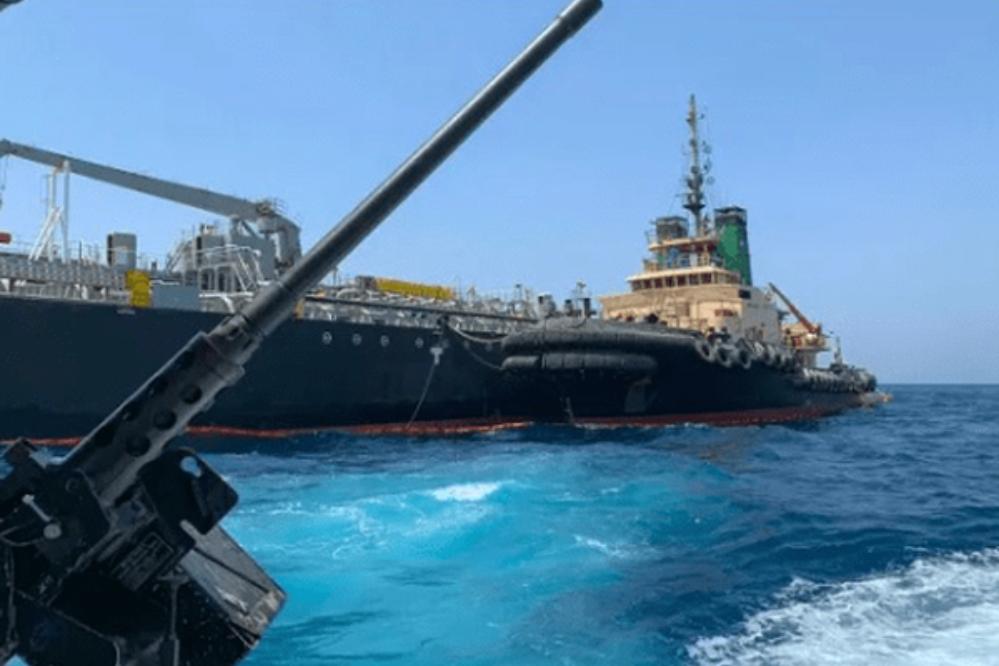
President Donald Trump announced that starting Monday morning the United States would help free ships that have been “locked up” and unable to transit the Strait of Hormuz, launching an operation dubbed “Project Freedom” to “guide” stranded vessels out of the “restricted Waterways.”
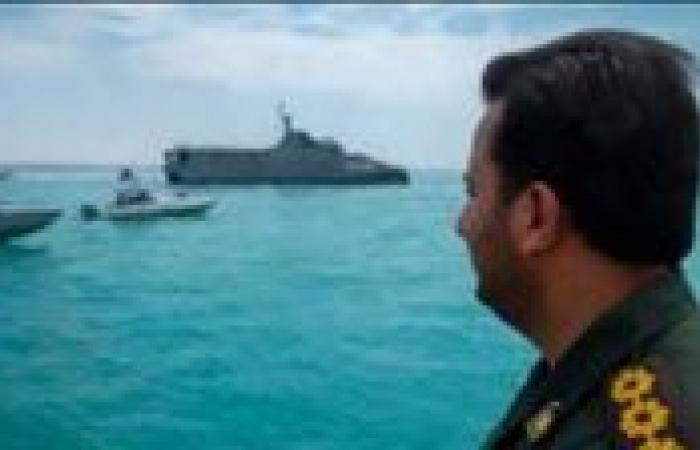
Iran quickly pushed back, with its military command warning that “any foreign armed force, especially the aggressive U.S. army, should they intend to approach or enter the Strait of Hormuz, will be subjected to attack,” as Major General Pilot Ali Abdollahi said in a statement carried by state TV channel IRIB.

In parallel, Iran’s unified command told commercial ships and oil tankers to refrain from any movement that was not cleared with Iran’s military, saying “any safe passage must be coordinated with the armed forces.”
The U.S. military rejected Iranian claims that it had struck an American warship, with Central Command saying, “No U.S. Navy ships have been struck. U.S. forces are supporting Project Freedom and enforcing the naval blockade on Iranian ports.”
The dispute centered on Iranian state media claims that “two missiles had hit the ship near the entrance to the strait,” while the U.S. denied this and said it was supporting the operation.
The standoff unfolded as the U.S. said it had established an “enhanced security area” to the south of usual shipping routes and advised vessels to consider routing via Oman’s territorial waters because usual routes were “extremely hazardous due the presence of mines that have not been fully surveyed and mitigated.”
Competing Claims and Maps
Iran’s response included both a denial of U.S. access and a separate set of claims about missile strikes, while U.S. officials insisted no ship was hit.
NBC News reported that “Early Monday, Tehran claimed it had stopped a U.S. destroyer from entering the strait,” quoting army public relations saying, “the entry of enemy American-Zionist destroyers into the vicinity of the Strait of Hormuz was prevented.”

The same NBC account said Iranian state media claimed “two missiles had hit the ship near the entrance to the strait,” but that Central Command denied this and stated, “No U.S. Navy ships have been struck.”
The Jerusalem Post described a similar denial, saying a U.S. official confirmed to the outlet on Monday afternoon that “Iran's navy did not hit a United States Navy ship near the Strait of Hormuz,” and that CENTCOM additionally confirmed “no US ship had been hit” in a post on X.
The Jerusalem Post also tied the denial to an Iranian Revolutionary Guard Corps (IRGC)-aligned report from Fars News Agency claiming “two missiles had hit a US naval frigate near the port of Jask at the southern entrance to the strait, forcing it to turn back.”
In addition to the missile dispute, Iran’s navy issued a new map of the area it said was under its control, with the Jerusalem Post noting it was “not immediately clear if and to what extenct their claimed area of control has changed.”
Al Jazeera further framed Iran’s position as a ceasefire issue, with its report citing that any U.S. intervention would be viewed by Iran as a violation of the ceasefire that came into effect on April 8.
The U.S. side, meanwhile, described its role as defensive and tied to navigation, with Central Command saying it would support the effort and enforce the naval blockade on Iranian ports.
Escalation, Ceasefire, and Oil Prices
The threat language from both sides arrived as the Strait of Hormuz remained a flashpoint for shipping and energy markets, with multiple outlets describing how the blockade and counter-blockade had left global commerce strained.
NBC News said the U.S. move was “the latest bid to break Iran's stranglehold over the critical waterway,” adding that it had “left global shipping at an effective standstill and sent energy prices spiraling.”
It reported that “Hundreds of ships and thousands of crew members have been stranded in the area since Iran launched attacks and threatened shipping in the wake of the joint U.S.-Israeli assault more than two months ago,” and that many were “running low on food and other necessities,” while Trump called the effort a “humanitarian gesture.”
Al Jazeera described the same dynamic as a dangerous escalation, saying Iran has been blocking nearly all shipping from the Gulf other than its own for more than two months and that “In the US, petrol has risen to an average of $4.44 per gallon (3.8 litres), up from less than $3 before the war started on February 28.”
The U.S. and Iran also tied the operation to the ceasefire, with Al Jazeera quoting that the Iranian military establishment and political officials in Tehran said “the war has changed many things and that there is a new regime [in the Strait of Hormuz] and Iran in one way or another is going to keep control over the waterway.”
Al Jazeera also included a warning from Harlan Ullman, chairman of the Killowen Group and a former US naval officer, who said Trump’s plan could lead to “a dangerous escalation” and that he “would hate to see a confrontation where an American warship is hit because then the Americans will have no other option except to retaliate.”
In parallel, the U.S. and Iranian positions were reflected in market reporting, with DW saying “Oil prices surged on Monday” and that markets were “unimpressed by US President Donald Trump's plan,” while Forbes and NBC both highlighted the immediate denial of missile impacts.
DW’s market figures put Brent crude initially at “$109.84 per barrel for July delivery,” and later at “$110.73 per barrel,” while NBC reported Brent crude jumped “to above $112 a barrel.”
Diplomacy and Crew Transfer
While the U.S. and Iran traded threats over the Strait of Hormuz, diplomacy continued through intermediaries and parallel communications about a wider end to the war.
NBC News reported that mediator Pakistan facilitated the transfer of “22 Iranian sailors from the ‘Touska’ container ship seized by U.S. forces last month,” describing the move as a “confidence-building measure.”

It said the sailors were flown to Pakistan on Sunday night, and that a statement from Pakistan’s foreign ministry said they “will be handed over to Iranian authorities,” with the ship to be taken to Pakistani.
DW similarly said Islamabad confirmed that “22 crew members from an Iranian container ship seized by the US would be evacuated to Pakistan,” and that Pakistan’s Foreign Ministry called it a “confidence-building measure” with support from both sides.
The AP described the broader diplomatic backdrop as a fragile ceasefire, saying “The fragile three-week ceasefire appears to be holding,” and it reported that Trump’s representatives were having discussions with Iran that could lead to something “very positive for all.”
AP also said Iran denounced the U.S. move as a ceasefire violation and that Trump warned, “If, in any way, this Humanitarian process is interfered with, that interference will, unfortunately, have to be dealt with forcefully.”
On the negotiation track, DW said Iran submitted a “14-point plan ‘focused on ending the war’” and that Tehran was weighing Washington’s response, with the Iranian Foreign Ministry spokesperson Esmail Baghaei stressing, “At this stage, we do not have nuclear negotiations.”
Al Jazeera added that Iran’s Ministry of Foreign Affairs spokesperson Esmaeil Baghaei said officials were reviewing a U.S. counterproposal and that “The US message was received through Pakistan,” while he said he would not discuss details because “these issues are still under review.”
What Comes Next for Shipping
As Project Freedom was set to begin, the immediate operational question was whether any vessels would accept the U.S. offer amid Iran’s insistence that safe passage must be coordinated with Tehran.
AP said Trump gave few details about what could be “a sweeping attempt to help hundreds of vessels and some 20,000 seafarers,” and it reported that it was unclear what the plan would mean for ships in practice.
It also described how crew members had told AP they were seeing intercepted drones and missiles explode over the waters as their vessels ran low on drinking water, food and other supplies, and it noted that many sailors come from India and other countries in South and Southeast Asia.
The U.S. side told ships to consider routing via Oman’s territorial waters and said it had established an “enhanced security area,” while Iran’s unified command warned that “any safe passage must be coordinated with the armed forces.”
The risk environment was reinforced by reports of attacks near the strait, with AP saying a cargo ship near the Strait of Hormuz reported it was attacked by multiple small craft and that another ship was hit by “unknown projectiles,” while noting that the attacks were “the latest in at least two dozen attacks in and around the strait since the Iran war began.”
The UKMTO also reported a tanker hit by unknown projectiles, and Al Jazeera said the maritime security threat level remains critical and advised mariners to consider routing via Oman’s territorial waters where the U.S. had “established an enhanced security area.”
In parallel, the U.S. warned that interference would be met with force, with Trump saying, “If, in any way, this Humanitarian process is interfered with, that interference will, unfortunately, have to be dealt with forcefully,” while Iran warned that “Violating vessels will be stopped with full force,” according to Hossein Mohebbi.
The stakes were also framed in terms of global energy security and navigation, with NBC reporting that the U.S. operation was intended to break Iran’s control over the waterway and with Forbes stating that the Iranian military warned it will attack U.S. Navy ships entering the strait.
With peace talks stalled and Iran reviewing the U.S. response to its latest proposal, the next phase hinges on whether the ceasefire holds while the U.S. attempts to guide ships through a corridor Iran says it controls.
More on Iran
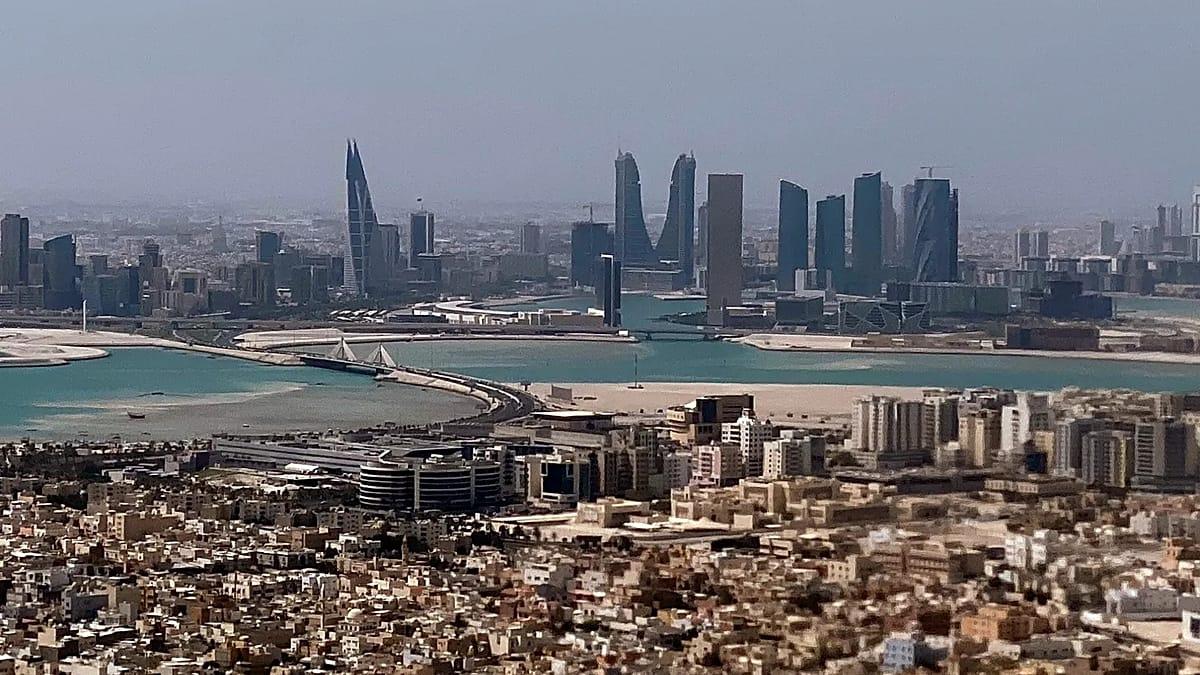
Iran Destroys 74 Missiles And 117 Drones In Bahrain, Bahrain Defence Forces Say
10 sources compared
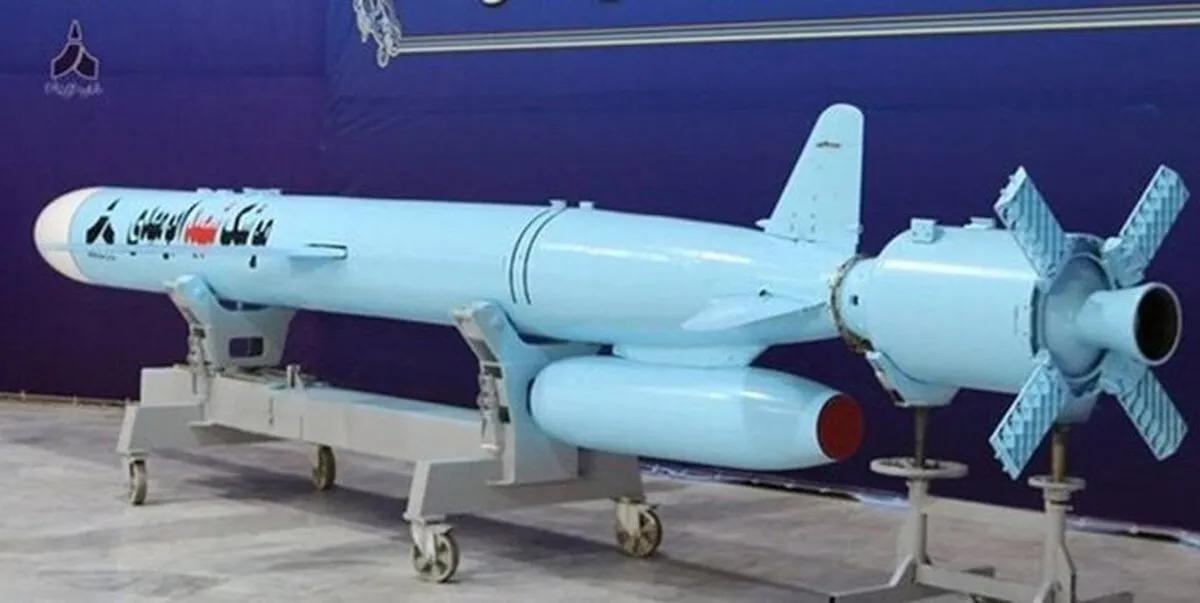
Iranian Media Claims Two Missiles Hit US Frigate Near Strait of Hormuz, Washington Denies
29 sources compared
Iran Blocks Strait of Hormuz, Disrupting Shipping as U.S. Launches Project Freedom
13 sources compared
Donald Trump Says U.S. Will Help Guide Stranded Ships Through Strait of Hormuz Monday
18 sources compared