Australia12 May, 20263 min read
ACTU Backs Australia’s Budget 2026/27 Reforms On Negative Gearing, Capital Gains Tax
This article is an automated aggregation of coverage from news outlets. Our editorials offer in-depth analysis curated by the NewsCord team.
ACTU backs reforms ending negative gearing and CGT discount to curb housing distortions Budget proposes housing affordability measures and tax relief, including CGT changes
Budget targets property tax
Australia’s federal Budget 2026/27 is framed by unions as reforms to capital gains tax, negative gearing, discretionary trusts, and housing affordability measures, with the Australian Council of Trade Unions (ACTU) saying it supports the government’s proposed changes to negative gearing and capital gains tax. The ACTU said the reforms are meant to “rebalance the housing market in favour of workers and younger Australians,” and ACTU president Michele O’Neil said: “This budget marks a shift that gives workers a fairer shot at housing stability through tax changes that will start to rebalance the rules.” The budget also includes AUD2bn in enabling infrastructure funding to support the construction of 65,000 new homes, and unions said the investment could ease housing pressures faced by working Australians.
Alongside housing, unions welcomed a permanent AUD250 Working Australians Tax Offset and measures aimed at national fuel security, including a new east coast domestic gas reservation and the AUD14.8bn Strengthening Australia’s Fuel Resilience package. The ACTU also argued that discretionary trust reforms could create a “fairer tax system,” adding that average workers currently pay around 25% in tax, which it said is higher than effective tax rates paid by some individuals using trusts.
Chalmers sets the timeline
In coverage of the policy timeline, the BBC said the removal of the CGT discount and its return to indexation will take place from July 1 next year, with negative gearing restricted to new builds from that date. The BBC also reported that existing property investors will be grandfathered, allowing them to keep deducting rental losses against their other income from properties they already owned or had signed contracts to buy when the treasurer handed down his budget at 7:30pm AEST on May 12. The Straits Times described the housing package as a centrepiece, saying from July 2027 negative gearing would be limited to new builds and the capital gains tax discount of 50 per cent would be replaced with cost base indexation and a 30 per cent minimum tax rate.
It added that a minimum 30 per cent tax rate would also be applied to discretionary trusts from mid-2028, and that the government would extend a ban on foreign purchases of already-built homes until mid-2029. The Straits Times quoted Treasurer Jim Chalmers saying in a speech to lawmakers on May 12: “It’s a responsible Budget, and a reforming Budget, which builds resilience and bolsters our economy,” and it said the treasurer added the macroeconomic outlook is “much more uncertain” with oil prices expected to remain elevated for some time yet.
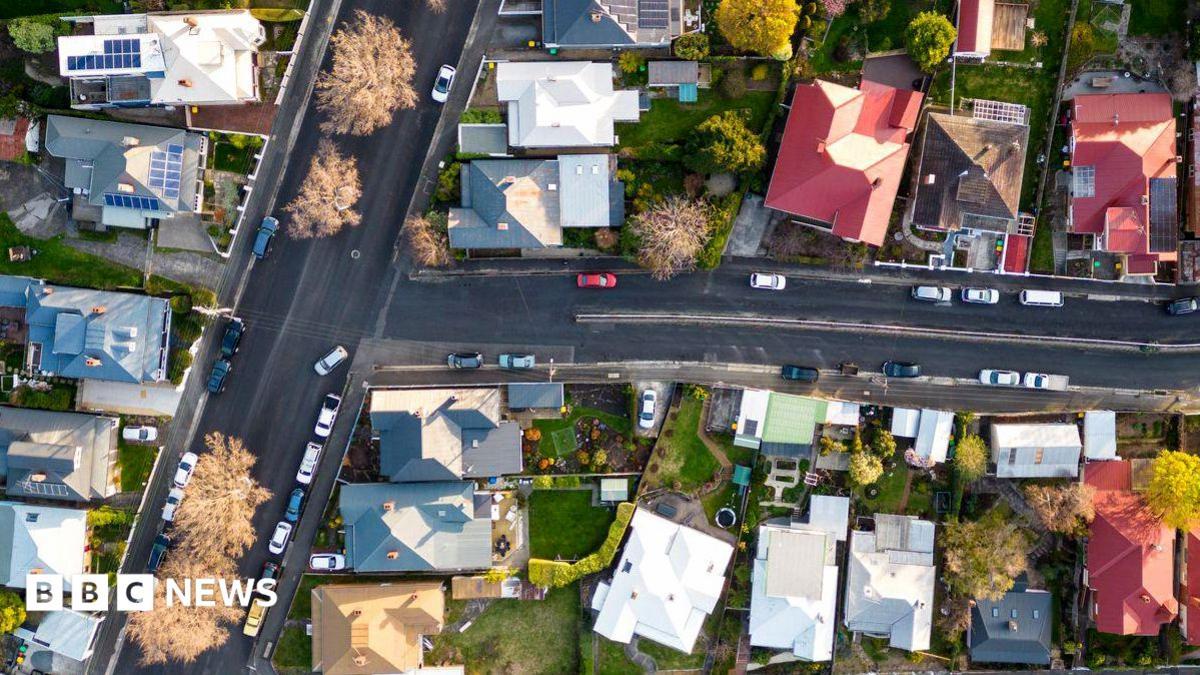
Fuel costs and deficit backdrop
The Straits Times placed the housing and tax changes inside a broader fiscal and energy context, saying Treasurer Jim Chalmers’ first Budget since the centre-left government won a landslide election victory 12 months ago showed 2026’s deficit at A$28.3 billion (S$26 billion). It said the deficit was expected to widen to A$31.5 billion in fiscal 2027 and remain in the low 30s to June 2029, and it described the government as trying to shield the economy from an Iran-war driven energy shock while turning around moribund productivity and addressing intergenerational inequality. The Straits Times reported that Australia was grappling with resurgent inflation even before the US-Israeli attack on Iran at the end of February, and it said the Reserve Bank of Australia (RBA) raised interest rates three times in 2026, with the latest rate hike warning headline inflation would peak near 5 per cent this quarter.
In parallel, Human Resources Online said unions welcomed the government’s plans to establish a new east coast domestic gas reservation alongside the AUD14.8bn Strengthening Australia’s Fuel Resilience package, with ACTU president Michele O’Neil saying the government took steps to secure fuel supplies from across the region. The BBC also anchored the stakes in housing affordability for younger Australians, quoting Adelaide student Sebastian Muñoz-Najar saying: “It’s really sad to see how this issue is affecting the present generation’s views on what Australia is - how their life should go.”