Full Analysis Summary
AU rejects Israel recognition
The African Union’s Peace and Security Council formally condemned and rejected Israel’s December 26 recognition of the breakaway Somaliland territory, and it urged Tel Aviv to reverse the move while calling on member states and international partners to reaffirm Somalia’s sovereignty, unity and territorial integrity.
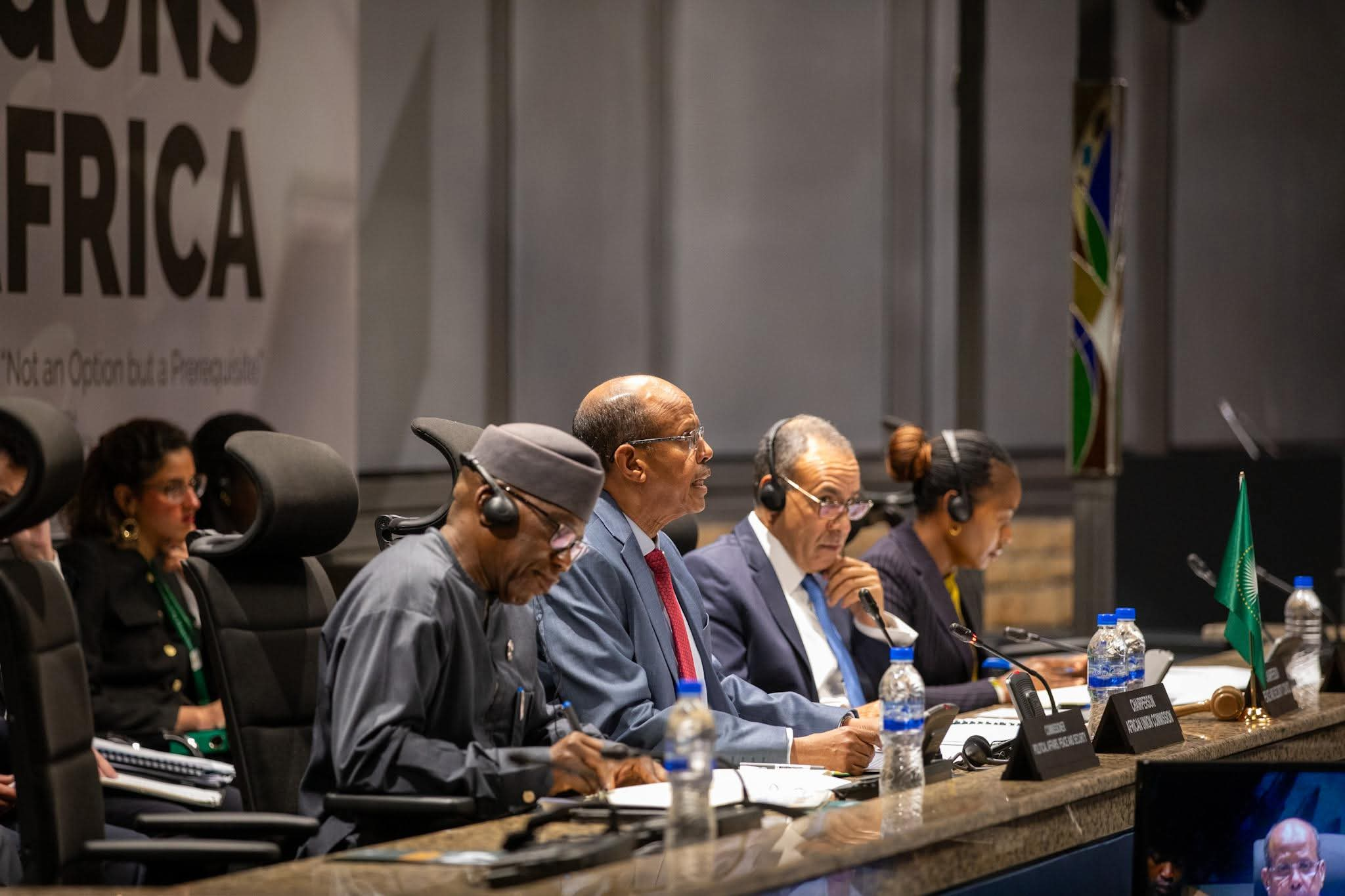
The council’s statement followed a foreign‑minister‑level meeting in Addis Ababa as part of AU Executive Council sessions ahead of the Feb. 14–15 summit.
The council framed Israel’s recognition as an external interference that risks dividing Somalia.
This demand was reported across multiple outlets covering the AU session.
Coverage Differences
Tone and emphasis
All three sources report the council’s rejection and call for reversal, but they emphasize different elements: Middle East Monitor (Western Alternative) stresses regional rejection and the call to international partners; Latest news from Azerbaijan (Asian) focuses on the warning against interference and stability risks; Al‑Jazeera Net (West Asian) situates the decision within the formal AU meeting and gives date/summit context and procedural framing. Each source’s wording shapes whether the story reads primarily as a diplomatic rebuke, a stability warning, or part of a broader AU session.
AU statement on Somalia
The AU statement — issued after the Addis Ababa meeting of foreign ministers — explicitly rejected any external interference that could divide Somalia and warned that actions like unilateral recognition risk undermining Somalia's sovereignty and regional stability.
Middle East Monitor and Latest news from Azerbaijan both highlight the AU's explicit call for Tel Aviv to withdraw recognition and urge partners to reaffirm Somalia's territorial integrity.
Al-Jazeera repeats these points but places them within the procedural context of the Executive Council sessions.
Coverage Differences
Narrative framing
Middle East Monitor (Western Alternative) frames the statement as a clear regional rebuke and emphasises the AU’s rejection of interference; Latest news from Azerbaijan (Asian) similarly stresses the warning about stability; Al‑Jazeera Net (West Asian) frames the same points within the AU’s formal meeting timeline and sessions, giving more procedural detail and linking the decision to the broader Executive Council agenda.
Somaliland in media
Background context in the sources notes Somaliland’s unique status: it has operated as a de facto independent entity since declaring independence in 1991 but lacks broad international recognition.
Middle East Monitor explicitly includes that background, describing the regional rejection of Israel’s move.
Al-Jazeera includes the same breakaway-territory description while embedding it amid other council business.
Latest news from Azerbaijan repeats the rejection and the call but offers less historical context.
Coverage Differences
Missed Information
Middle East Monitor (Western Alternative) is the only source among the three to explicitly state Somaliland’s decades‑long de facto independence and the region’s lack of broad international recognition in the snippet provided; Al‑Jazeera Net (West Asian) uses the term "breakaway territory" but focuses more on meeting context and other agenda items; Latest news from Azerbaijan (Asian) reports the council’s rejection and warning but omits explicit historical detail in its snippet.
AU meeting coverage: Sudan
Al-Jazeera’s coverage expands the AU meeting’s scope beyond Somaliland and reports council attention to Sudan.
It reports calls to stop fighting, secure a ceasefire, guarantee humanitarian access, reject foreign interventions, and preserve Sudan’s unity and state legitimacy.
Al-Jazeera names Egyptian Foreign Minister Badr Abdel Aati as chair of the session.
It notes Sudanese Foreign Minister Mohyi al‑Din Salim was invited to participate despite Sudan’s suspended AU membership, a development the AU bureau chief described as "unprecedented" in Al-Jazeera’s account.
Coverage Differences
Unique Coverage
Al‑Jazeera Net (West Asian) includes significant additional reporting on Sudan and the session’s leadership and procedure — naming Egyptian Foreign Minister Badr Abdel Aati and noting the invitation to Sudanese Foreign Minister Mohyi al‑Din Salim and the AU bureau chief’s characterization of that invitation as "unprecedented" — details not present in the Middle East Monitor (Western Alternative) or Latest news from Azerbaijan (Asian) snippets provided.
AU council reaction summary
Across three outlets there is consistent reporting that the AU council called for the reversal of Israel’s recognition and for partners to reaffirm Somalia’s territorial integrity, while warning against interference that could threaten stability.
The sources differ in tone, detail and ancillary coverage.
Al‑Jazeera provided broader AU meeting context and included coverage of Sudan.
Middle East Monitor emphasised the regional rejection and Somaliland’s status.
Latest news from Azerbaijan offered a concise report focusing on the rejection and the stability warning.
The available snippets do not present direct contradictions about the council’s core demand, but they vary in emphasis and the additional information they include.
Coverage Differences
Synthesis
There is convergence on the AU council’s central demand (reversal of recognition and reaffirmation of Somalia’s sovereignty) across sources, but differences appear in emphasis and scope: Middle East Monitor (Western Alternative) highlights Somaliland’s de facto status and regional rejection; Latest news from Azerbaijan (Asian) is concise and stability‑focused; Al‑Jazeera Net (West Asian) situates the demand inside broader AU proceedings and adds Sudan‑related coverage and named participants. No direct factual contradictions appear in the snippets concerning the council’s request, but the gap in detail across sources should be noted.