
AI and Crypto Industries Fail to Sway Illinois Primaries
Key Takeaways
- AI and crypto industries spent millions on Illinois primaries.
- Fairshake spent over $10M opposing Stratton; Stratton won the Senate primary.
- Money did not fully dictate outcomes; tech-funded candidates underperformed overall.
Industry Spending Surge
The artificial intelligence and cryptocurrency industries mounted an aggressive multimillion-dollar campaign in Illinois primaries to influence election outcomes.
“The artificial intelligence and cryptocurrency industries spent big and lost often in this week's , an early setback for technology firms that are trying to reshape the midterm elections and establish themselves as power players in American politics”
Leading the Future, an AI industry PAC funded by Silicon Valley executives including Marc Andreessen, and Jobs and Democracy PAC, backed by AI company Anthropic, collectively spent substantial sums opposing progressive candidates.

These industry groups targeted candidates who supported regulatory frameworks and higher taxes on wealthy Americans.
Meanwhile, crypto industry super PAC Fairshake invested over $10 million targeting progressive Democrats like Illinois Lt. Gov. Juliana Stratton and state Sen. Robert Peters.
The targeted campaigns criticized the industry influence as 'MAGA-backed crypto bros' attempting to manipulate the political process.
Mixed Election Results
Despite the massive financial investment totaling nearly $20 million across multiple races, both industries experienced mixed results.
The AI-backed Leading the Future PAC successfully backed former congresswoman Melissa Bean, who won her primary with about $1 million in support.

Strategists praised Bean's commitment to 'innovation over doomerism' in the AI regulation debate.
However, the same group's investment in Jesse Jackson Jr., who received over $1 million from Think Big PAC, proved unsuccessful.
Similarly, crypto industry group Fairshake achieved partial success, backing winners Rep. Nikki Budzinski and Melissa Bean.
Fairshake suffered defeats against La Shawn Ford and Robert Peters, whom they opposed with substantial spending.
Strategy Limitations Exposed
The Illinois primaries revealed significant limitations to the industries' political strategy.
“The artificial intelligence and cryptocurrency industries spent big and lost often in this week’s Illinois primaries, an early setback for technology firms that are trying to reshape the midterm elections and establish themselves as power players in American politics”
Both AI and crypto groups employed a messaging strategy focused on combating President Trump's administration and supporting liberal policies.
This approach was similar to tactics used by other powerful lobbying groups like AIPAC.
However, this strategy 'did not stop the AI and crypto industries' interventions from becoming a lightning rod in the rowdy primaries,' according to Fortune.
Candidates and voters increasingly recognized and criticized the industry influence.
Progressive organizations condemned the spending as an attempt to 'paint corporate-backed candidates as fearless progressives.'
Nationwide Political Ambitions
Beyond Illinois, both industries have demonstrated their growing political ambitions through substantial investments in other state primaries.
Leading the Future expanded its influence beyond Illinois by backing Republican primary winner Laurie Buckhout in North Carolina.
The group also spent $5 million in four GOP House primaries in Texas, with all preferred candidates either winning or advancing to runoffs.
Rival AI network Public First Action, funded in part by Anthropic, also entered the political fray.
Public First Action supported Democratic Rep. Valerie Foushee in North Carolina and multiple pro-regulation candidates across Texas primaries.
This nationwide spending pattern indicates the tech industry's political ambitions extend far beyond Illinois elections.
Uncertain Political Future
The mixed outcomes and growing public skepticism toward tech industry political spending have created uncertainty about future effectiveness.
“The artificial intelligence and cryptocurrency industries spent big and lost often in this week's , an early setback for technology firms that are trying to reshape the midterm elections and establish themselves as power players in American politics”
Campaign finance experts and voters remain divided on what to make of the technology industry's sudden political influence.
'They're so new to the game that public opinion isn't very well formed about them,' explained Brian Gaines, a political science professor.
'You don't get a clear signal for who is the progressive and who is the moderate on AI and crypto policies,' Gaines stated.
Democratic Party strategists question whether to support candidates who genuinely believe in regulatory positions.
There are concerns about candidates who merely 'give lip service to these values but don't back them in actual policy.'
More on USA
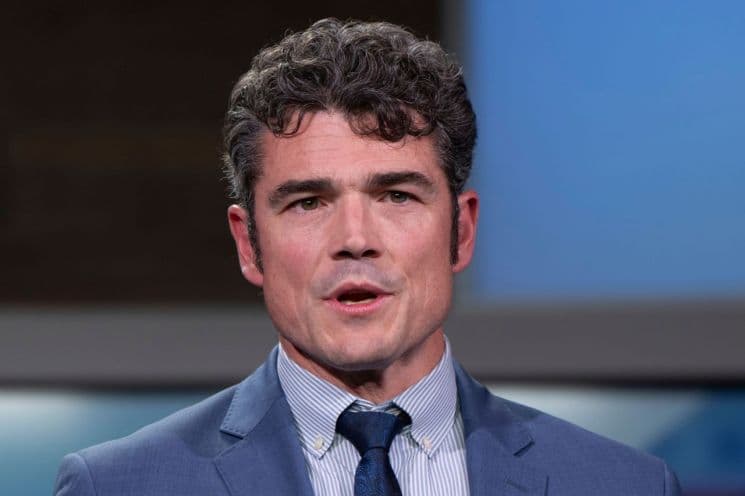
FBI investigates Joe Kent, former National Counterterrorism Center director, for allegedly leaking classified information.
81 sources compared

Lt. Gov. Juliana Stratton Wins Illinois Democratic Senate Primary to Replace Durbin
171 sources compared

Senators Grill Mullin Over DHS Nomination as Intel Officials Testify on Top Threats
91 sources compared

César Chávez Faces Sexual Abuse Allegations, Including Rape of Dolores Huerta and Other Survivors
34 sources compared