USA21 January, 20262 min read
Air Force One Crew Turns Plane Back to Joint Base Andrews After In-Flight Electrical Failure
Crew identified a minor electrical issue; Air Force One returned to Joint Base Andrews. President Trump and entourage switched to a backup aircraft and resumed flight to Davos.

46 outlets told this the same way.
Outlets did split on Trump Interrupted by Protesters at San Antonio Rally for Ken Paxton →
Air Force One diversion
Air Force One carrying President Donald Trump returned to Joint Base Andrews shortly after takeoff after crew members identified what the White House described as a minor electrical issue. Reporters aboard said the press-cabin lights briefly flickered or went out. The jet landed safely back in Maryland.
“Air Force One turned back to Joint Base Andrews about an hour after departing for Switzerland Tuesday evening after crew members identified what White House press secretary Karoline Leavitt called ‘a minor electrical issue.’”
The White House said the decision to return was made out of an abundance of caution. The president later boarded a replacement aircraft to continue to the World Economic Forum in Davos.
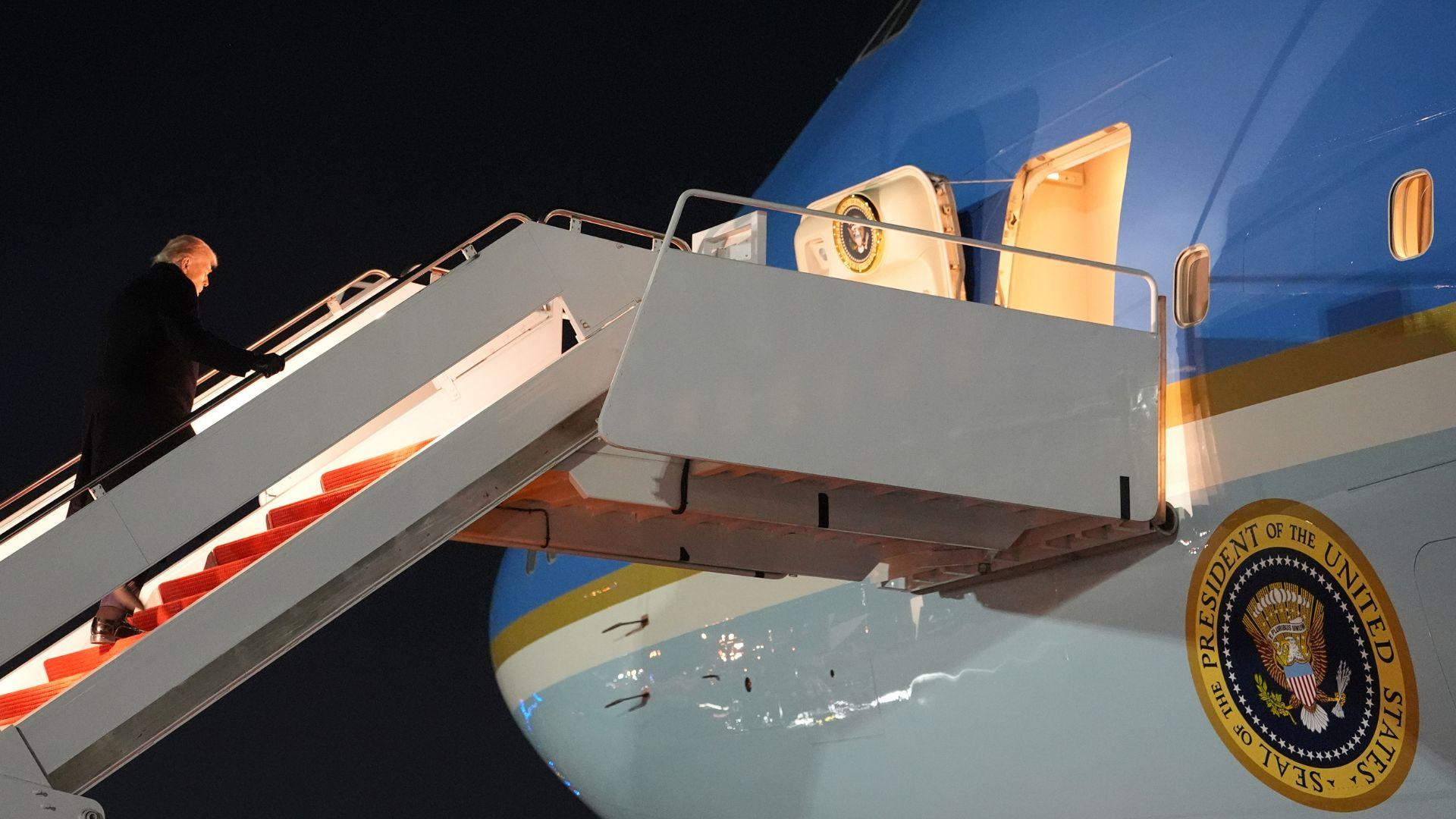
Presidential flight diversion timeline
Flight-tracking data and multiple pool reports showed the jet made a U-turn over the Atlantic near Long Island and landed back at Andrews late in the evening.
Several outlets reported the return landing occurred around 11:07 p.m. ET and that Mr. Trump departed about an hour later on a backup Boeing C-32, a modified 757, to resume his trip to Davos, arriving later than planned.

Pool reporters described staff quickly transferring luggage and refreshments as the presidential party moved to the replacement plane.
Presidential aircraft concerns
The incident renewed attention to the age and maintenance of the VC-25A presidential fleet and to the delayed replacement program. Multiple outlets noted the two specially modified Boeing 747s have been in service for nearly four decades, that Boeing's 747-8-based replacements have been delayed, and that a Boeing 747-8 donated by Qatar will require extensive retrofitting before it can serve as Air Force One. Reporting varies on the timeline for new aircraft deliveries and on how prominently the Qatari donation is highlighted.
“The two specially modified Boeing 747s used as Air Force One are over 35 years old and have had maintenance problems... renegotiated with Boeing for two new 747-8 replacements, but they won’t be ready before the end of his second term.”
Executive airlift reliability
Aviation experts explained that crews and pilots treat electrical anomalies seriously because faults can affect multiple systems even with redundant backups, and the pilots' decision to turn back signaled they judged the problem worth avoiding.
Several reports placed the event within a pattern of recent executive airlift reliability problems, citing other returns and emergency landings involving senior officials and intensifying scrutiny of presidential airlift maintenance.
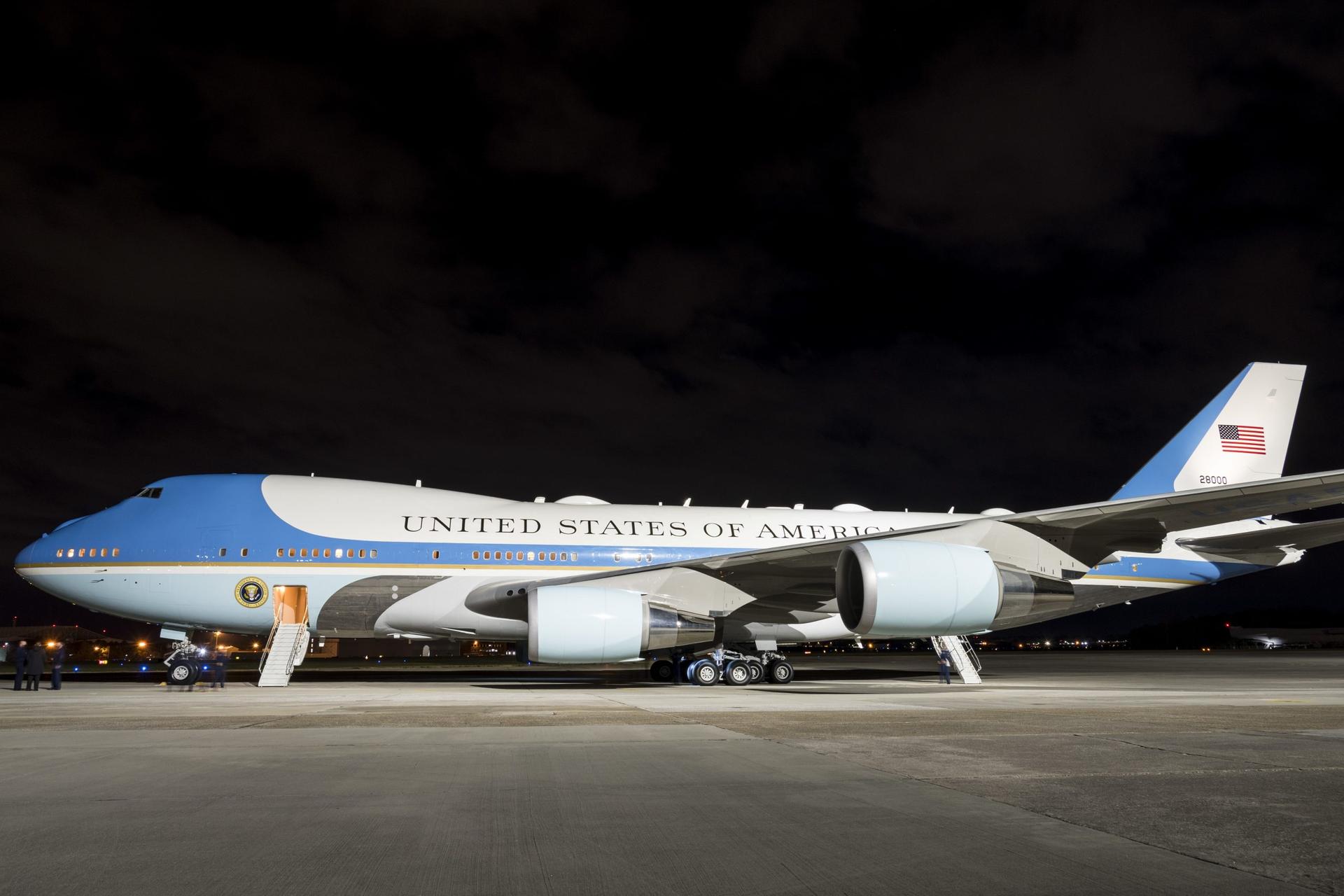
Variation in media coverage
Western mainstream outlets often relayed the White House's "abundance of caution" line and focused on the immediate logistics of the diversion. West Asian outlets noted the continuity of the president's schedule and the international implications.
“Out of an abundance of caution the jet returned to Joint Base Andrews in Prince George's County, Md.”
Specialist aviation and alternative outlets emphasized fleet age, technical context, and past reliability episodes. Some sources also repeated political and contextual details, such as trade tensions and other Trump initiatives tied to the Davos trip, that were not central to the technical incident.
