India03 November, 20253 min read
Air India Crash Kills 260, Sole Survivor Reveals Devastating Loss and Airline Neglect
Air India Boeing 787 crash near Ahmedabad killed 241 people, including 169 Indians and 52 Britons. Sole survivor Viswashkumar Ramesh suffers severe physical, emotional trauma and PTSD after losing his brother.

10 outlets told this the same way.
Air India Flight AI171 Crash
Multiple outlets report that Air India Flight AI171 crashed shortly after takeoff from Ahmedabad in western India. The crash left a single survivor, Vishwashkumar Ramesh, and killed his younger brother Ajay. Casualty counts vary across sources.
“The article details the aftermath of a tragic plane crash in western India on June 12, which killed 241 passengers and crew, including 53 British nationals, and 19 people on the ground.”
The New York Post states that 241 passengers and crew died, plus 19 people on the ground. Financialexpress reports a total of 241 casualties. Mail Online lists 169 Indian nationals, 52 British citizens, and 19 people on the ground as victims.
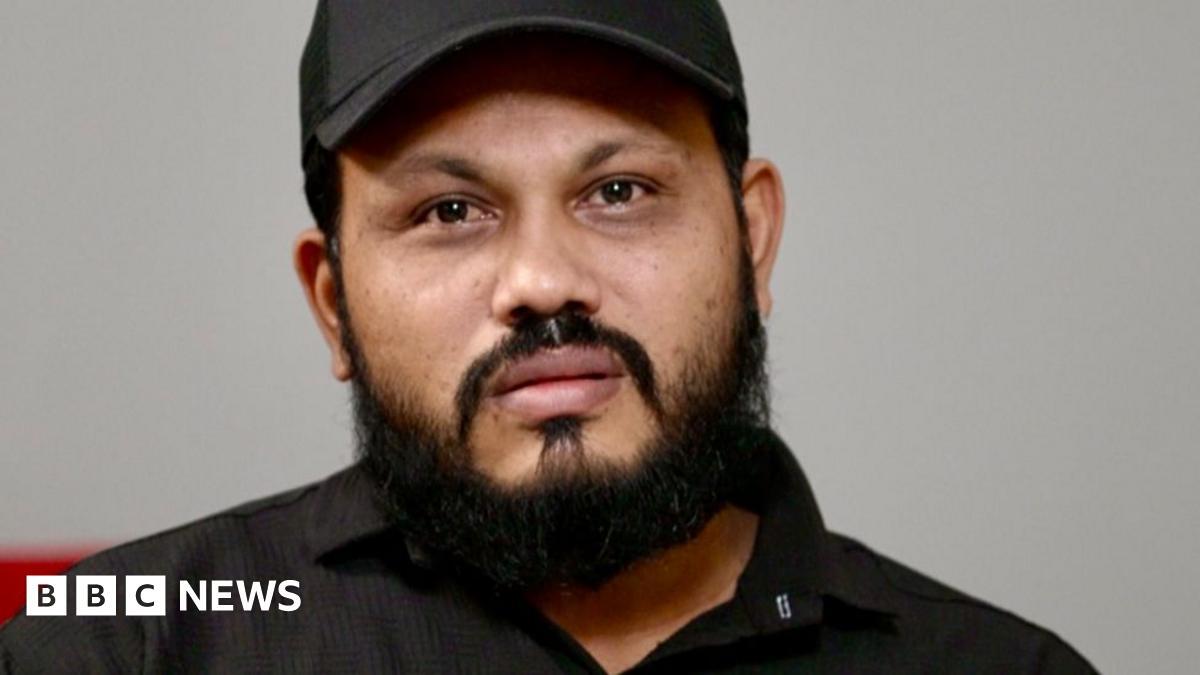
Several sources agree that the crash happened soon after takeoff and involved a loss of fuel to the engines or a fuel cut-off scenario. UNILAD identifies the flight as Air India Flight 171 and highlights the scale of the tragedy, noting that 241 people were killed. The enormity of the disaster is underscored by the fact that Ramesh was the sole survivor.
Survivor's Trauma and Impact
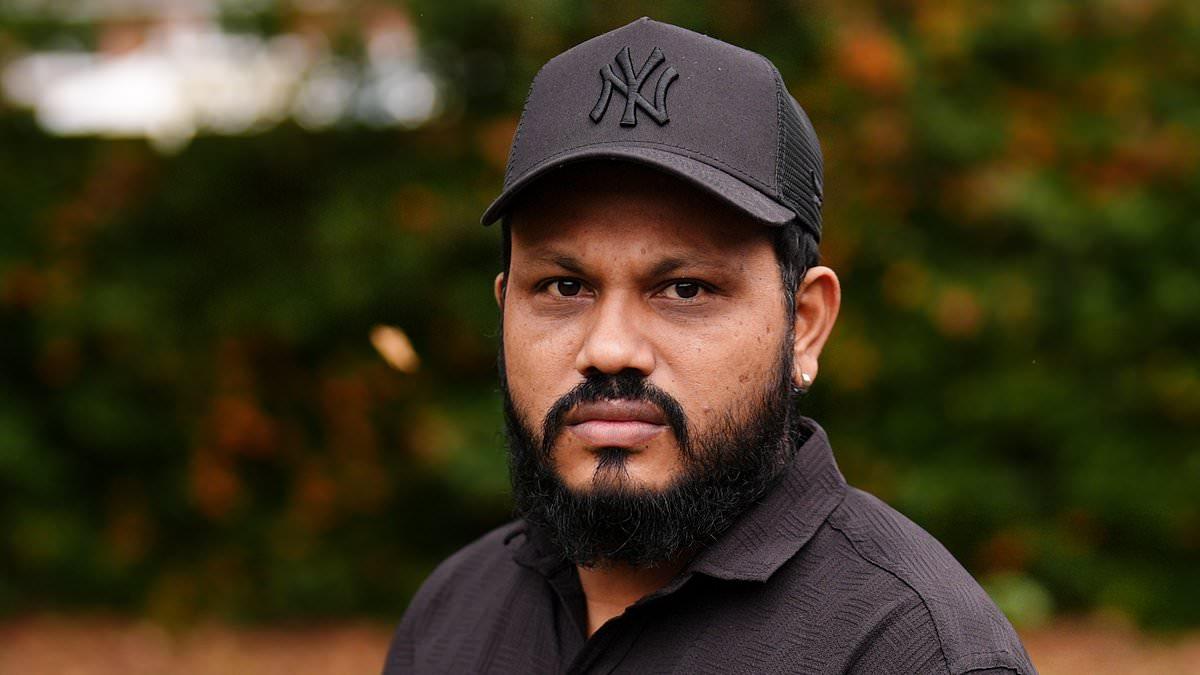
Accounts consistently describe Ramesh’s severe injuries, PTSD, and inability to work or drive. He is also experiencing profound grief after losing his brother Ajay. The family’s business has collapsed, and his mother is deeply affected.
BBC and Mail Online emphasize that he cannot work or drive and is struggling to communicate. Financialexpress highlights his grief, sleepless nights, and silence. Metro provides vivid survivor details of the moments around takeoff, describing the plane as feeling "stuck for 10 seconds" before crashing within 32 seconds.
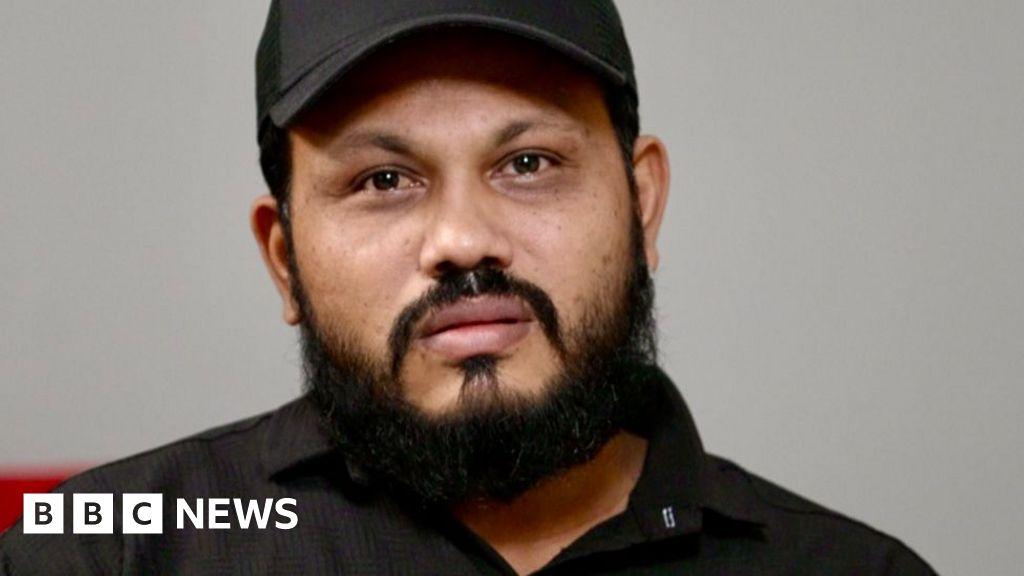
These details add harrowing specifics to the shared picture of trauma. UNILAD stresses his isolation and grief despite being hailed as a "miracle survivor."
Support Dispute Over Air India
A central dispute is whether Air India has meaningfully supported Ramesh and other families. Advisers quoted by BBC, The Mirror, and Manchester Evening News accuse the airline of neglect, saying interim support is inadequate, meetings were ignored or declined, and victims were treated like “names on a spreadsheet.”
“Although Air India has paid an interim compensation of £21,500, advisers say it is inadequate.”
By contrast, Air India and Tata Group leaders, as reported by UNILAD, The Mirror, Manchester Evening News, and Mail Online, say they remain committed, have visited families, and have offered to meet Ramesh’s representatives. Compensation cited by BBC and Metro stands at an interim £21,500, which advisers deem insufficient.
Different Perspectives on Incident
Investigative details also diverge in emphasis. New York Post reports investigators found fuel control switches moved to “cut-off” and notes speculation about the captain’s mental health possibly playing a role, though no final cause is confirmed. Mail Online and Metro frame the cause more functionally—as engines losing fuel supply or a fuel supply cutoff.
Manchester Evening News relays advisers’ condemnation of the lack of accountability. Together, these show different angles: technical anomaly, airline attribution, and calls for responsibility, while acknowledging that the ultimate cause remains officially unconfirmed in some reporting.
Media Coverage of Air India Incident
Public attention and longer-term support needs are framed differently by various media outlets. The New York Post uniquely highlights Indian Prime Minister Narendra Modi’s hospital visit to Ramesh, underscoring global attention. The Mirror and Manchester Evening News emphasize advisers’ calls for Air India CEO Campbell Wilson to meet the family.
“Indian Prime Minister Narendra Modi visited Ramesh during his hospital recovery, highlighting the global attention the incident received.”
UNILAD stresses the need for an effective outreach program and states that the airline continues to provide care and support. The BBC summarizes the broader criticism that Air India’s handling of the situation has been poor.
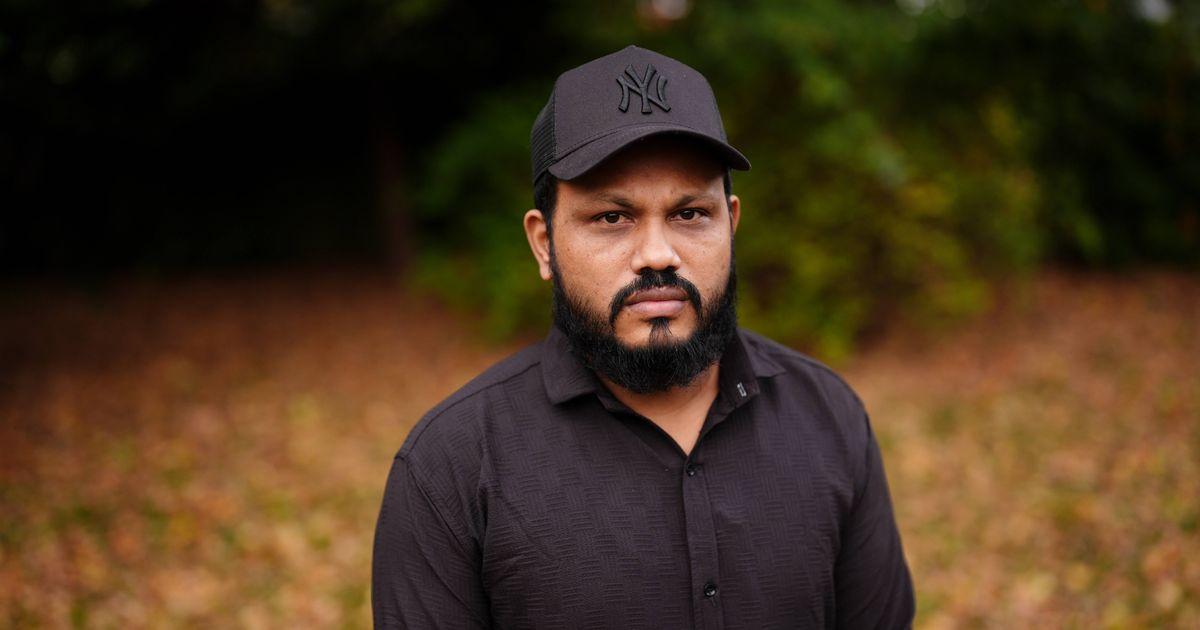
Together, these sources depict a clash between claims of care and allegations of neglect. The survivor’s family is still seeking accountability and meaningful engagement.