Business29 November, 20252 min read
Airbus Grounds 6,000 A320 Jets After Solar Radiation Corrupts Flight-Control Computers
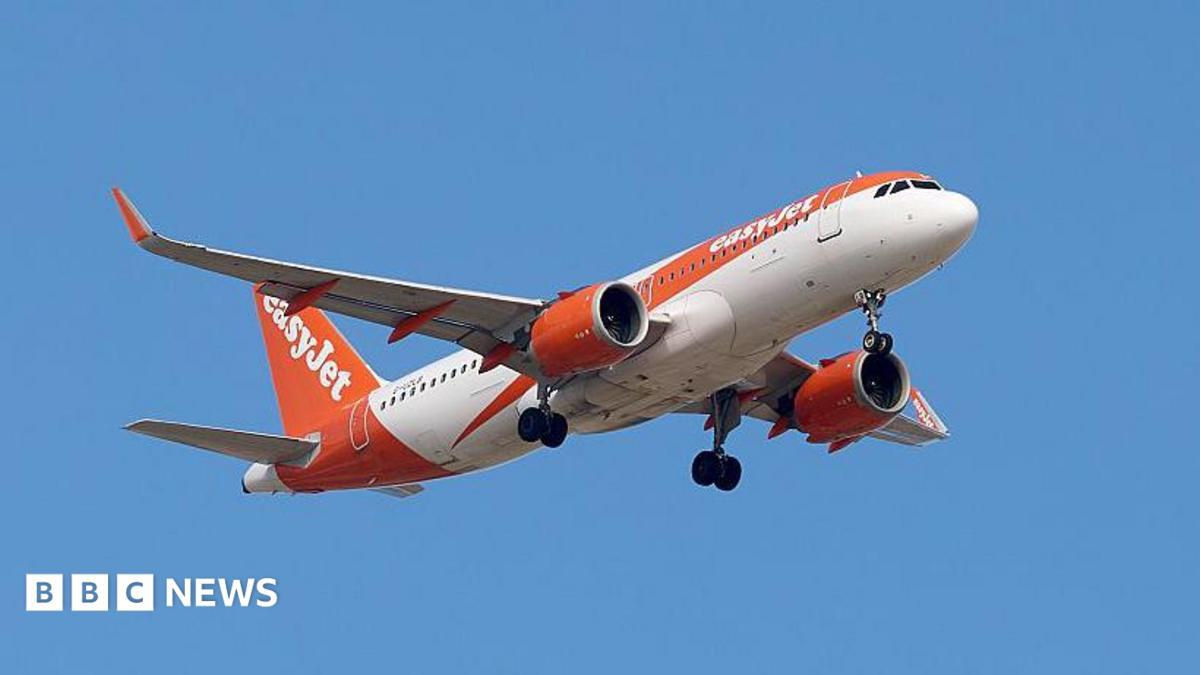
Intense solar radiation can corrupt A320 flight-control computer data (ELAC), causing uncommanded control inputs. Airbus ordered mandatory immediate software (and sometimes hardware) fixes for about 6,000 A320-family jets.

39 outlets told this the same way.
Outlets did split on CATL Starts Trial Production at Debrecen Battery Cell Plant in Hungary →
A320 fleet safety alert
On Oct. 30 a JetBlue A320 experienced a sudden, uncommanded loss of altitude that injured passengers and forced an emergency diversion.
“On Oct. 30 a JetBlue A320 suffered an uncommanded pitch‑down at 35,000 ft that injured at least 15 passengers.”
Investigators linked the incident to data corruption in the aircraft’s flight-control computers caused by intense high-altitude solar radiation.

Airbus and regulators ordered urgent actions and issued an alert prompting emergency directives in Europe and the U.S.
The directives affect roughly 6,000 A320-family aircraft worldwide, grounding them from carrying passengers until required software or hardware protections are installed.
Airbus described the episode as one of the largest safety-related fleet recalls in its history and coordinated apologies and responses with regulators and airlines.
A320 ELAC malfunction and fixes
Airbus traced the malfunction to the A320 family’s Elevator and Aileron Computer (ELAC), specifically an ELAC B unit running software commonly referenced as L104. Intense charged-particle events from solar radiation and cosmic rays can produce memory bit-flips in that unit, corrupting elevator calculations.
Regulators and Airbus offered a two-track remedy, allowing most affected aircraft to be returned to a prior, stable software version in a procedure that takes about two to three hours on many jets. Older or differently configured ELAC units require physical replacement of the computer hardware and must be ferried empty if necessary until swapped.

Airline operational impacts
A directive prompted rapid global action and localized disruption across airlines. Some carriers reported hundreds of aircraft affected, with American reporting about 340, while others noted limited impact such as Delta. Jetstar recorded targeted cancellations of roughly 90 flights.
“For most jets the remedy is a rollback to an earlier software version; for more than 1,000 aircraft hardware replacements may also be required.”
Several carriers used overnight windows or maintenance bases to apply the rollback. Operators including Avianca and IndiGo reported a larger share of their fleets affected and temporarily adjusted schedules or suspended ticket sales. National reports indicated many aircraft were updated within days in some countries, which reduced longer-term disruption.
ELAC directives and responses
Regulators (EASA, FAA and several national authorities) issued emergency airworthiness directives requiring affected ELAC units be fixed or reverted before passenger flights. Some national agencies allowed limited empty "ferry" flights for repositioning. Authorities and Airbus portrayed the measures as precautionary and safety‑first.
Technical commentary emphasised the particular vulnerability of digital fly‑by‑wire systems to rare space‑weather events and the need for longer-term mitigations. Manufacturers and suppliers offered differing emphases, with Airbus apologising for disruption and coordinating fixes. Thales, the ELAC hardware maker, said its hardware met specifications and argued the disputed software component was not its responsibility.

Media coverage and uncertainties
Reporting converges on the core facts: a JetBlue event, ELAC data corruption linked to solar radiation, and about 6,000 aircraft subject to fixes. Outlets diverge on detail and tone—some emphasize immediate human harm and vivid descriptions of the plunge, others highlight the unprecedented scale and regulatory significance, and a few focus on technical root causes or supplier responsibility.
“Investigators found intense solar radiation had corrupted the plane’s flight-control computers and caused a loss of positioning data.”
On precise technical attribution and the broader statistical risk from space weather, accounts vary or remain cautious, with regulators framing measures as precautionary and several outlets noting only a single known linked occurrence so far. Readers should therefore be aware of these variations and the remaining technical and operational unknowns until investigators publish full findings.