USA05 May, 20265 min read
Aishani B Wins US Green Card After Seven H-1B Rejections, Microsoft Engineer Says
This article is an automated aggregation of coverage from news outlets. Our editorials offer in-depth analysis curated by the NewsCord team.
Aishani B, a Microsoft software engineer, faced seven H-1B rejections from 2019 to 2025. She secured a US Green Card through EB-1 after seven H-1B rejections.

Seven H-1B denials
An Indian software engineer at Microsoft, Aishani B, went viral after describing a US Green Card journey that began with seven H-1B lottery attempts between 2019 and 2025 and ended with a Green Card secured in 2025 through the EB-1 category.
“She wrote, ‘I entered the H1B lottery 7 times between 2019 and 2025. I didn’t get selected. Not once.”
In her account, she said, “I entered the H1B lottery 7 times between 2019 and 2025. I didn’t get selected. Not once,” describing the repeated rejections as a multi-year process rather than a single setback.

The Economic Times and NDTV both frame the story as a long stretch of uncertainty, with the Economic Times quoting her on how the emotional impact changed over time and NDTV quoting her on the “slow, quiet erosion of certainty.”
NDTV also identifies her as “a senior software engineer” and ties the story to her LinkedIn post, while M9.news similarly says her “green card journey is going viral online” and highlights “seven year journey filled with repeated setbacks.”
Multiple outlets emphasize that the H-1B lottery did not select her even once, and that she continued pursuing other options while the process played out.
In the same narrative arc, she moved to Canada in 2022 and returned to the US in 2023 on an L-1 visa, with her employer continuing to file on her behalf.
Canada, L-1, and EB-1
As Aishani B’s H-1B attempts continued without selection, her path shifted through other immigration steps that multiple outlets describe in sequence. The Economic Times says that in 2022 she “moved to Canada to maintain continuity in her job while her employer continued filing H-1B applications,” and then in 2023 she “returned to the US on an L-1 visa.” NDTV similarly states that “In 2022, she moved to Canada to continue her career while Microsoft persisted with her H-1B applications,” and that “A year later, she returned to the U.S. on an L-1 visa, with the company continuing to file on her behalf.”
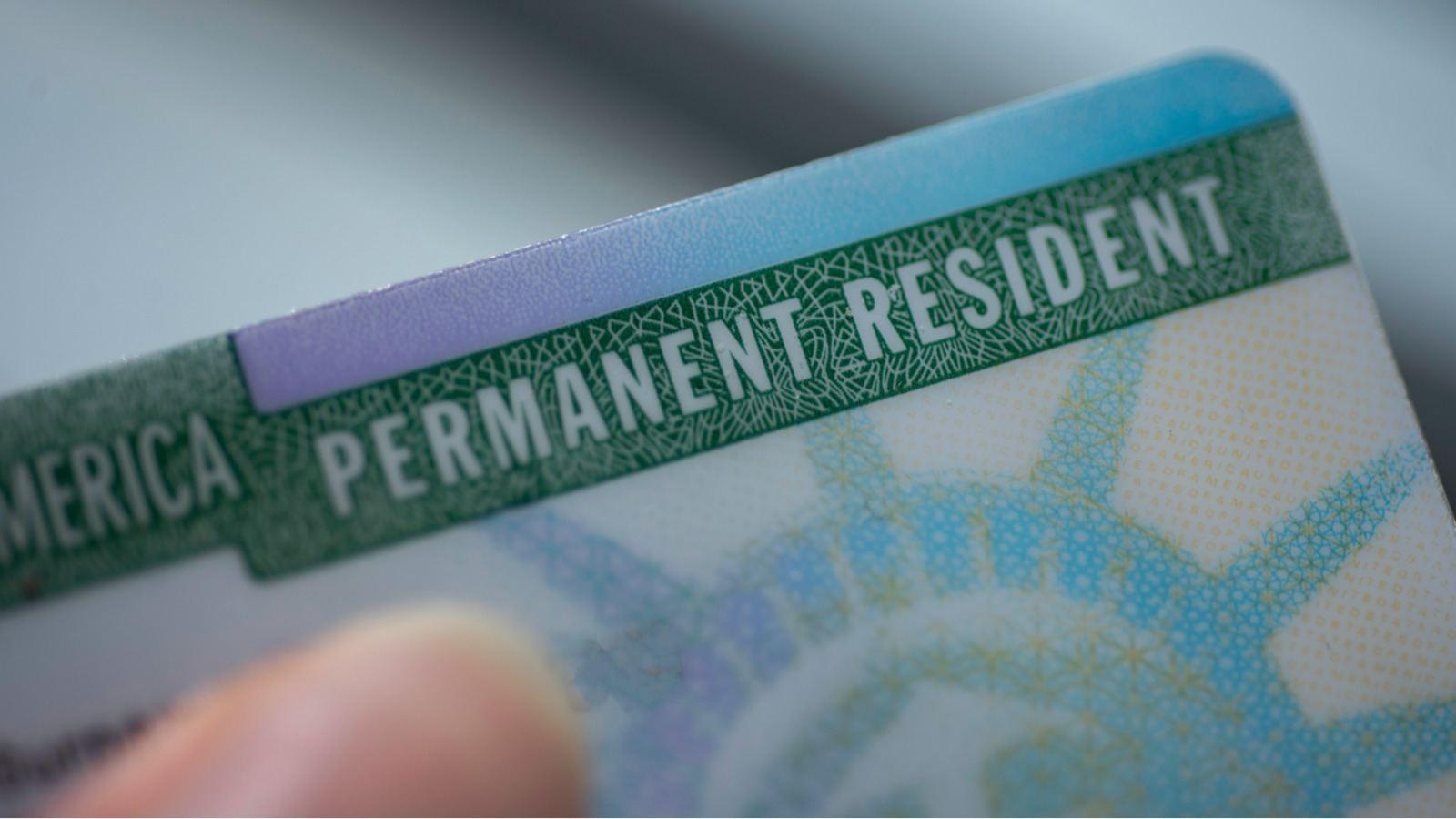
News18 also describes the same timeline, saying she “moved to Canada in 2022 and later returned to the US in 2023 on an L1 visa,” while emphasizing that her “breakthrough came in 2025” via EB1 rather than through H-1B. The Times of India adds that “Come 2025, she got Green Card through EB1, which is meant for individuals with extraordinary ability,” and it quotes her on how she never thought she would qualify after “seven rejections.” Across these accounts, the Green Card is described as a permanent status, with NDTV stating that “A Green Card, officially the US Permanent Resident Card, grants the right to live and work in the United States indefinitely.”
Her words on erosion
A central element of the story across outlets is how Aishani B described the psychological progression of repeated H-1B losses.
The Economic Times quotes her on the changing emotional response: “The first rejection stings. The second, you rationalize. By the third, fourth, fifth, you stop telling people.”
It further says she described the effect as “a slow, quiet erosion of certainty,” and it includes her questions about self-worth: “Am I good enough to be here? Would someone else have figured this out by now? How long do I keep trying?”
NDTV repeats the same core lines from her LinkedIn post, including “What nobody tells you about losing repeatedly: It's not one moment of disappointment. It's a slow, quiet erosion of certainty,” and it includes the same follow-up questions about whether she was good enough and how long she should keep trying.
News18 also quotes her on the emotional arc, saying, “The first rejection stings. The second, you rationalize. By the third, fourth, fifth — you stop telling people,” and it adds her explanation that it was “Not because you’re ashamed. But because there’s nothing new to say.”
The Times of India likewise quotes her on the “slow, quiet erosion of certainty” and includes her line about how “7 losses didn’t mean no. They meant: not this way.”
Online reactions and debate
As Aishani B’s post circulated, outlets describe a wave of responses from people who related to repeated attempts and long waits for US immigration outcomes.
The Economic Times says her post “has since been widely shared,” and it quotes a user writing, “When you will look back after many years, these 7 will be the best No. you ever got; in hindsight, dots always connect.”
It also includes another reaction: “You’re an inspiration! America needs you,” while describing that others spoke about still trying after multiple failed attempts.
News18 similarly reports that her post gained traction and quotes multiple commenters, including “When you will look back after many years , these 7 will be the best No you ever got, in hindsight dot’s always connect,” and “You’re an inspiration! America needs you! 🇺🇸🦅.”
News18 also quotes a commenter who said, “I applied for h1b 10 times. Never won the lottery,” and another who wrote, “Still holding on to that yearly hope — attempt #5!”
The Times of India adds that Aishani “often shares titbits about immigration on her LinkedIn,” and it references an earlier post where she wrote about being “always in between.”
Explaining the system
Beyond Aishani B’s personal account, Analytics Insight provides a more technical description of the H-1B lottery environment, including specific caps and odds-related figures. It states that “Each year, the US government caps H-1V visas at 85,000, including 20,000 reserved for applicants with advanced degrees from US institutions,” and it adds that “the application number often exceeds 700,000, which drastically reduces the odds of being selected.” Analytics Insight describes the process as beginning with employer sponsorship, after which applicants “need to register electronically,” and it says that “Once applications exceed the cap, a lottery system determines who will proceed.”
It also frames the broader issue as structural, saying “The H-1B system is still limited by annual caps” and that “it fails to match the increasing demand from the global talent pool.” The same outlet connects the story to alternative pathways, noting that “This system encourages professionals to find alternatives,” and it lists “While some pursue the L-1 visa, others aim for the O-1 visa,” along with employment-based green card categories “(EB-1, EB-2, EB-3).” M9.news similarly emphasizes that the story “highlighted concerns around the US immigration system” and says “Skilled workers often remain stuck in uncertainty for years,” while describing the system as relying “heavily on chance.”