Al Mayadeen Says Iran Told the United States It Proposed Three-Stage Talks
Key Takeaways
- Iran proposed a three-stage framework to resume negotiations with the United States.
- Stage one aims to end the ongoing war.
- Stage two covers Strait of Hormuz management; stage three pursues nuclear talks.
Proposal, ceasefire, and talks
Iran’s latest proposal to the United States is being described in three stages, with Al Mayadeen saying Tehran has told Washington that if the United States accepts its proposal, negotiations could be resumed.
“Al Mayadeen: Iran's proposal to the United States includes three stages”
In a report written by an Al Mayadeen reporter in Tehran, Iran’s proposal has three stages: “the end of the war, the management of the Strait of Hormuz, and then nuclear talks.”
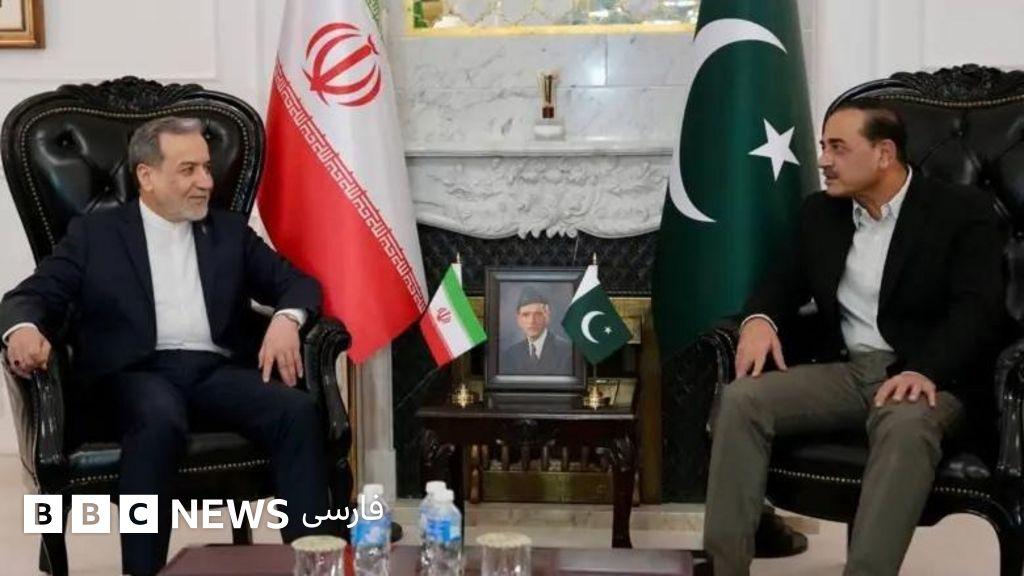
The BBC reports that “Official US and Iranian officials have not yet commented,” while the White House said it is examining Tehran’s written message.
The BBC also notes that “Some US media say that Donald Trump is not very pleased with Iran’s proposal.”
The same BBC account ties the proposal to a diplomatic track in which Abbas Araghchi traveled to Muscat and Islamabad twice and then in St. Petersburg met with Vladimir Putin, the president of Russia.
It also places the proposal alongside Gulf diplomacy, saying “leaders of Gulf states today in Jeddah are participating in an extraordinary meeting of the Gulf Cooperation Council.”
Reuters, citing a regional official who wished to remain unnamed, said the aim of that meeting is to draft a response to “thousands of Iranian missile and drone attacks.”
In parallel, DW frames the broader war timeline around a ceasefire, saying “agreed in the early hours of Wednesday, 8 April (19 Farvardin 1405) to a two‑week ceasefire,” and that “indirect talks between Iran and the United States, mediated by Pakistan, have continued.”
What Iran says it wants
Al Mayadeen’s account of Iran’s proposal links the first stage to an immediate end to hostilities, describing guarantees that the United States and Israel end the war against Iran and Lebanon and that there will be no further attacks on those two countries.
The BBC reports that “According to Al Mayadeen's report, Iran wants that in the first stage the United States and Israel end the war against Iran and Lebanon and guarantee that there will be no further attacks on these two countries.”
After that, the second stage is described as talks about “managing the Strait of Hormuz” in coordination with Oman, with the goal of drafting “a legal framework for sovereignty and passage in this waterway.”
The BBC says that “After completing the first and second stages, Iran and the United States can enter nuclear negotiations,” and that “until the first two stages are completed Iran will not enter the nuclear issue.”
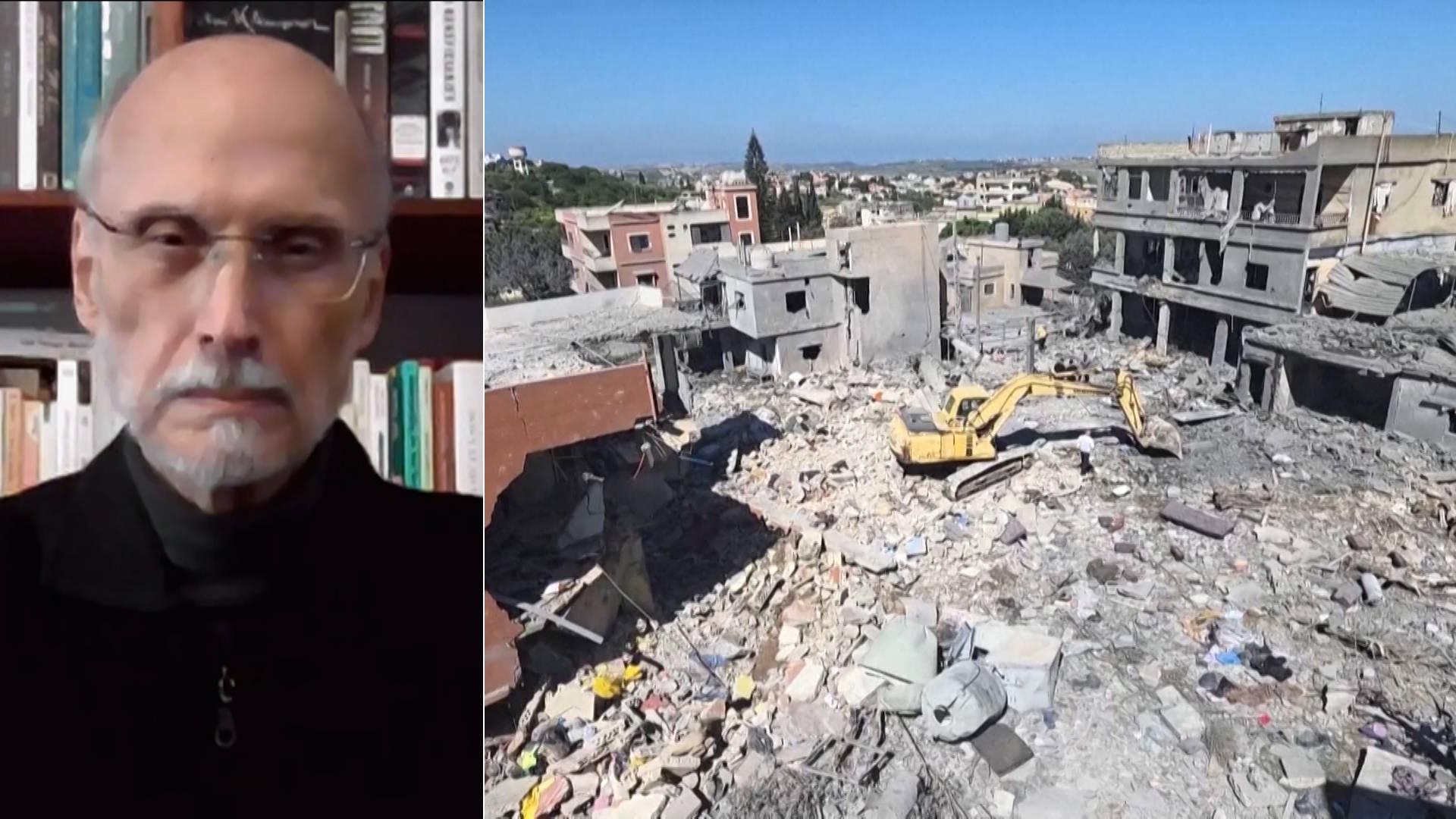
The BBC places this proposal in a context of ongoing regional damage, saying the war has “damaged vital energy infrastructure in all six GCC member states,” and that “companies affiliated with the United States as well as some civilian infrastructure and military facilities have also been targeted.”
Reuters’ regional official, as cited by the BBC, said the Gulf Cooperation Council is worried about the consequences and is drafting a response to “thousands of Iranian missile and drone attacks.”
The BBC also reports criticism of the GCC response from the United Arab Emirates, quoting Anwar Gargash saying, “their position has been the weakest in history.”
In the same BBC account, the diplomatic track includes Abbas Araghchi’s travel to Muscat and Islamabad twice and then to St. Petersburg for a meeting with Vladimir Putin.
Trump, sanctions, and Gulf legal pressure
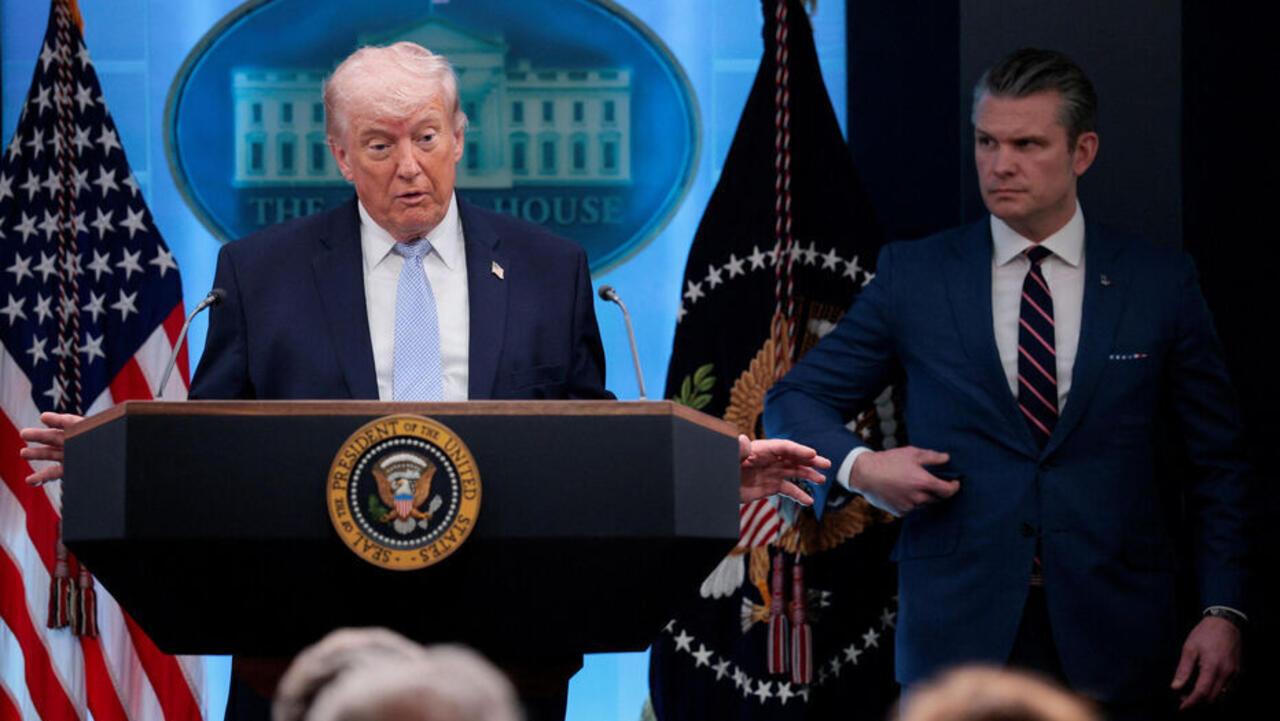
As the proposal circulates, DW describes Donald Trump’s posture as the war enters a new phase, saying “Trump: Iran is in a state of collapse and is seeking to open the Strait of Hormuz.”
“What you need to know: The US–Israel war against the Islamic Republic of Iran began on Saturday, 9 Esfand 1404”
DW also says that “On Tuesday, 28 April (8 Ordibehesht), in a post on his personal social network Truth Social, Trump criticized Germany’s chancellor,” Friedrich Merz, arguing that “If Iran has nuclear weapons, the whole world will be held hostage.”
DW frames the dispute as part of a broader debate about negotiations and exit strategy, quoting Merz’s remarks that “the Iranians seem stronger than expected, and the Americans apparently do not have a truly convincing strategy in negotiations.”
DW then connects Trump’s reaction to a sanctions campaign, stating that “The United States has sanctioned 35 entities and individuals linked to Iran’s shadow banking network.”
It adds that the US Treasury announced sanctions on those 35 entities and individuals for their role in Iran’s “shadow banking network,” accused of moving “tens of billions of dollars to circumvent sanctions and to support Iran’s terrorism.”
DW says the Office of Foreign Assets Control warned that any company that pays “fees” to the Iranian government or the Islamic Revolutionary Guard Corps to pass through the Strait of Hormuz would face heavy sanctions.
DW also describes the war’s operational and legal framing, saying the Islamic Republic struck Israeli territory and targeted Gulf states including Qatar, Kuwait, Saudi Arabia, Bahrain, the United Arab Emirates, and even Azerbaijan.
In a separate account focused on US constitutional timing, مونت كارلو الدولية says the War Powers Act deadline of “May 1, 2026” approaches and that a senior official said hostilities that began on “February 28” have ended for reasons related to the Act.
War powers, exit strategies, and threats
The question of how long the US can fight without congressional authorization is central to مونت كارلو الدولية’s account, which says the “deadline of the sixty-day window provided by the War Powers Act of 1973” arrives on “May 1, 2026.”
The report says a “senior official in the Trump administration said that, for reasons related to the War Powers Act, the hostilities that began on February 28 have ended.”
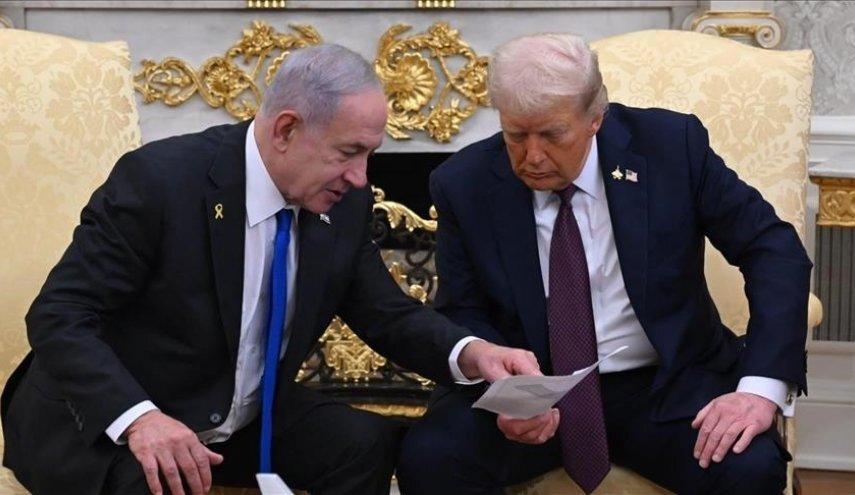
It adds that Trump “does not characterize moves against Iran as a 'war', but as a 'military operation'” and describes the constitutional backdrop that “the U.S. Constitution grants Congress the power to declare war.”
The report lays out three paths Trump could take, including notifying Congress and requesting a “30-day extension” or relying on a legal interpretation that the ceasefire suspends the deadline.
It also describes a scenario in which Washington offers “limited sanctions relief or financial arrangements” in exchange for reopening the Strait of Hormuz and imposing restrictions on nuclear enrichment or missiles.
The same report says Democrats argue the administration is waging “a war without an exit strategy,” and that using a ceasefire as a pretext to bypass the deadline “empties the War Powers Act of its meaning.”
Iran’s position is presented as a direct threat to any resumption of attacks, with the report saying Iran said on Thursday it would respond with “prolonged and painful' strikes on American sites if the United States resumes attacks.”
The report also says Axios reported Trump would receive a briefing from CENTCOM Commander Brad Cooper about “short and forceful” strikes likely to target infrastructure.
Israel sidelined and narratives clash
While the US and Iran debate proposals and legal deadlines, انتخـاب frames a separate dispute over who is included in negotiations, saying “From the moment it became clear that the Iranian regime was not on the verge of collapse, the United States sidelined Israel from the negotiations.”
“The author emphasizes that the war between the United States and Israel against Iran, despite their military and technological superiority, has not yet produced a strategic victory, and Iran has not capitulated”
The article quotes Ronen Bergman in Yedioth Ahronoth: “The decision is in the hands of the Americans; we don't really know what is happening. Sometimes we're not even sure which side we are talking to and who the other side is.”

It also quotes an “senior security official” describing Israel’s uncertainty: “In Lebanon we are moving with American-backed moderation, but on the Iran front — we really don't know where this matter is headed, you know, with the Iranians.”
The article says Israeli information about talks with Iran is limited and that “in Jerusalem there is little information about the talks with Iran and the agreements reached in them — and usually this information lasts only a day or two before one side hardens its position again.”
It describes a possible “third scenario” that would amount to “status quo, each side proclaims its victory, calm in the Persian Gulf is met with silence,” adding “Neither a treaty nor a war.”
In that scenario, the article says “the United States will continue to pressure the Islamic Republic in one form or another, and Iran will not give up its uranium, ballistic missiles, and its support to its proxies in the Middle East – the situation will roughly revert to zero until the next round.”
In Democracy Now!, Gilbert Achcar argues Trump’s approach is “an old-new imperial doctrine,” saying “You bomb a country until they submit.”
Achcar tells Amy Goodman and Nermeen Shaikh that Trump is “just going back to 19th-century gunboat diplomacy: You bomb a country until they submit, until you get them doing what you want,” and he argues the result was “the most botched up of all U.S. imperial wars in history.”
More on Iran
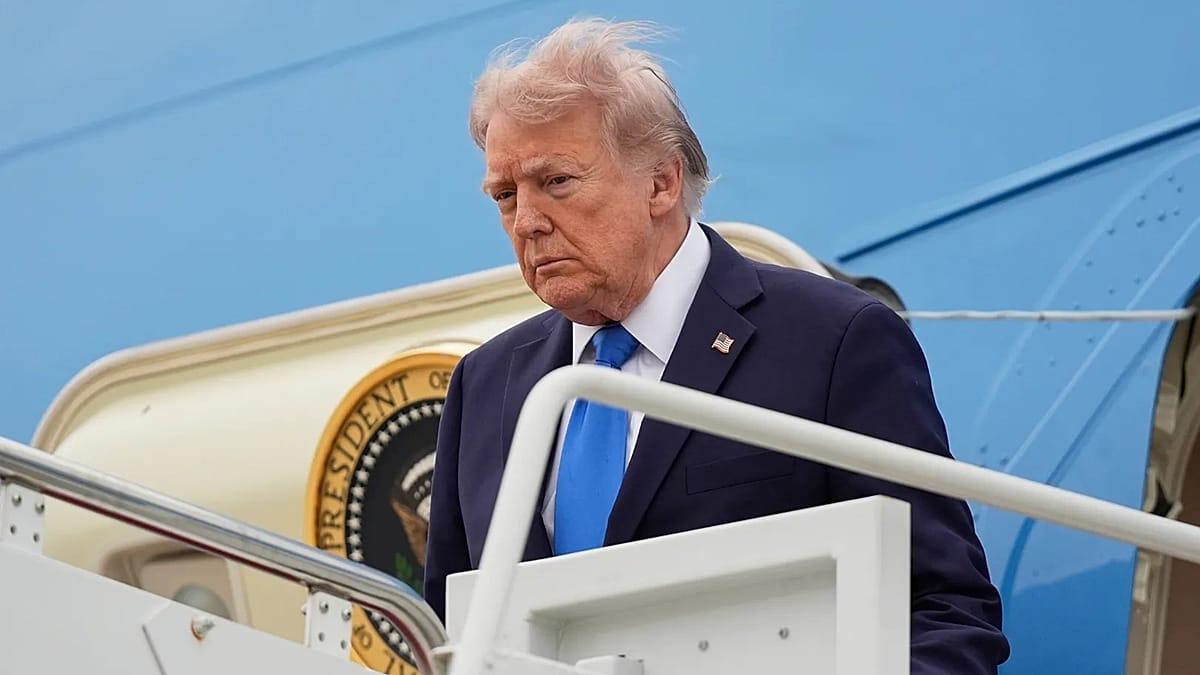
U.S. and Iran Clash as War Powers Deadline Nears, Oil Prices Hit Four-Year High
21 sources compared

Pete Hegseth Tells Senators War Powers Deadline Pauses During Ceasefire With Iran
20 sources compared

Mojtaba Khamenei Vows To Guard Iran’s Nuclear And Missile Programs In Strait Of Hormuz
15 sources compared
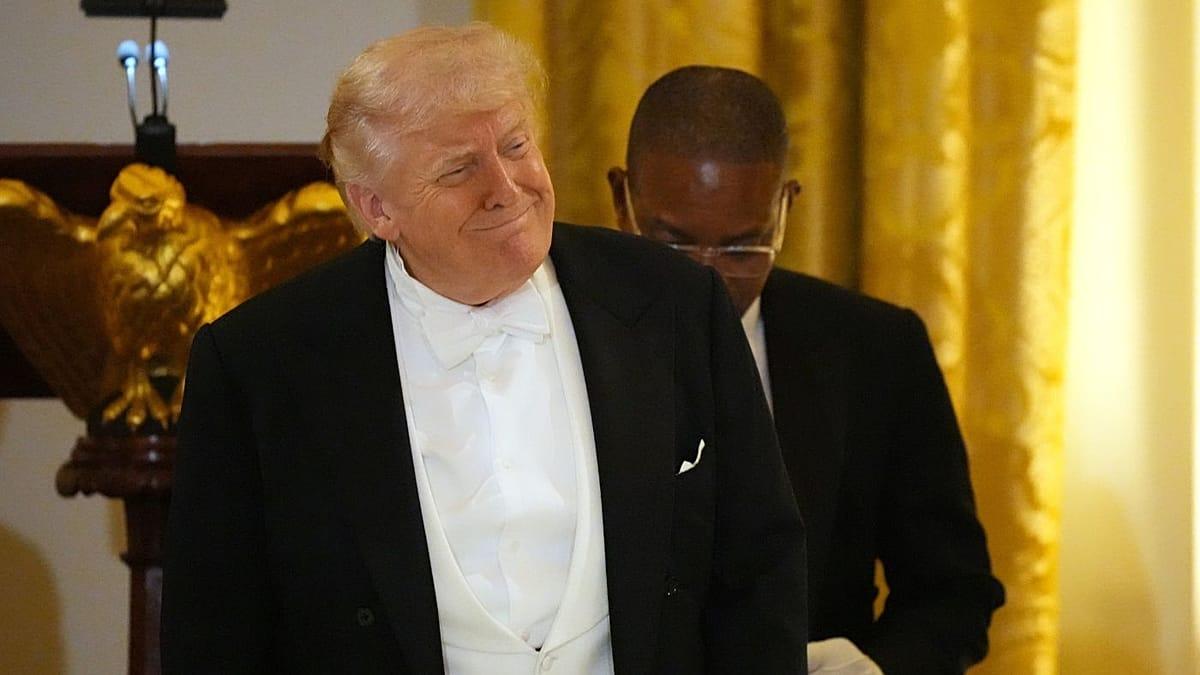
Trump Administration Says Ceasefire Pauses War Powers Clock on Iran War
13 sources compared