Africa12 November, 20252 min read
Algerian President Abdelmadjid Tebboune Pardons Writer Boualem Sansal After German President Frank-Walter Steinmeier's Appeal
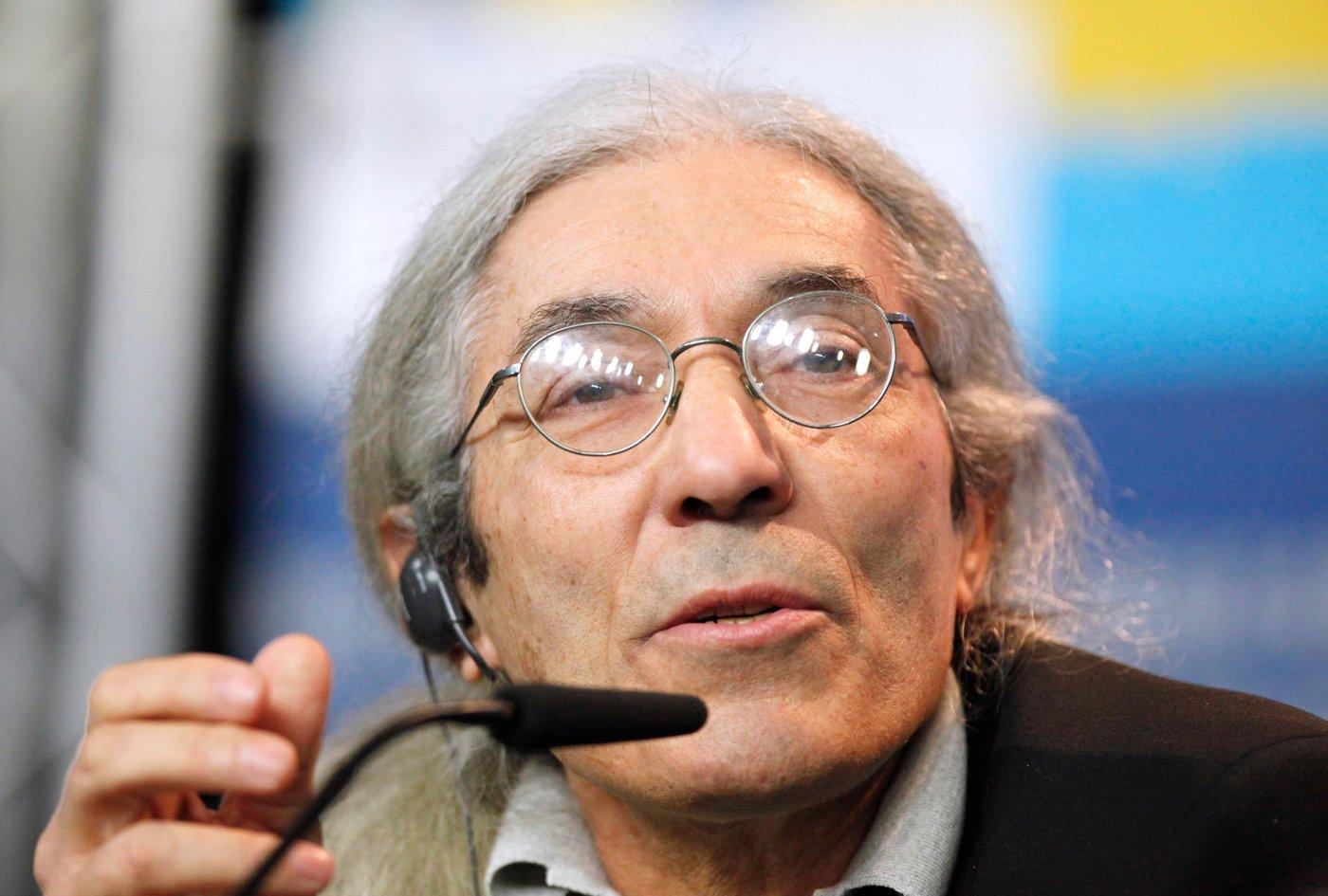
President Tebboune pardoned Boualem Sansal following German President Frank‑Walter Steinmeier’s humanitarian request. Sansal, 81, detained about a year, had been sentenced to five years for undermining unity.
30 outlets told this the same way.
Humanitarian pardon and transfer
Algerian President Abdelmadjid Tebboune granted a humanitarian pardon to French‑Algerian novelist Boualem Sansal after an appeal from German President Frank‑Walter Steinmeier. The Algerian presidency said Tebboune “responded positively” to Steinmeier’s request and that Germany would take responsibility for Sansal’s transfer and medical care. Multiple outlets noted the pardon was framed as humanitarian and that it would enable Sansal’s transfer to Germany for treatment.
“Algerian President Abdelmadjid Tebboune has pardoned French-Algerian novelist Boualem Sansal after a request from German President Frank-Walter Steinmeier, the Algerian presidency said.”
Sansal's arrest and charges
Sansal’s legal case and the charges behind his imprisonment were widely reported. He was arrested around November 2024 and in March was handed a five-year sentence on charges variously described as "undermining national unity" or "undermining Algeria's territorial integrity", charges he denied.
Several reports say he was detained after comments on colonial-era borders that Algerian authorities said undermined national cohesion. Sansal himself called the charges senseless and asked in court, "Are we holding a trial over literature?"

Medical evacuation and care
Reports consistently cite serious health concerns as a factor in the humanitarian pardon. Sansal's family and lawyers said he suffers from prostate cancer and that his condition deteriorated in detention.
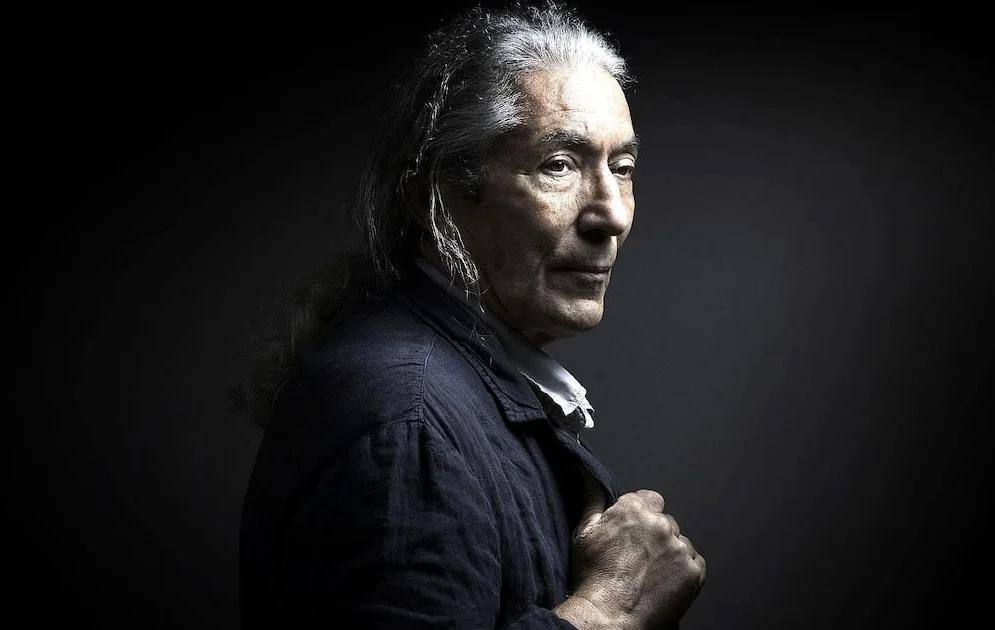
“Algerian-born, French-Algerian novelist Boualem Sansal — an 81-year-old, multiple prizewinner and outspoken critic of religious radicalism, colonialism and the Algerian government — was flown to Berlin for medical treatment after his family said he has prostate cancer and his lawyer warned his health was deteriorating in prison.”
Several outlets reported he was flown or transferred to Germany for immediate treatment. Coverage notes that Germany will organize medical evacuation and care, and some reports said Sansal arrived in Germany and was taken to hospital the same day.
Algeria-France diplomatic rift
The case has been a diplomatic flashpoint that reflected and deepened strains between Algeria and France. Reporting highlights different actors and effects. France's leaders, including President Emmanuel Macron and Prime Minister Sébastien Lecornu, publicly appealed for leniency and welcomed the pardon.
Several accounts say Germany's intervention, rather than direct French pressure, secured the transfer. Observers and media link the broader bilateral rift to France's recognition of Morocco's claim over Western Sahara. They note the episode fed tensions that included expulsions and diplomatic recalls.
Press freedom in Algeria
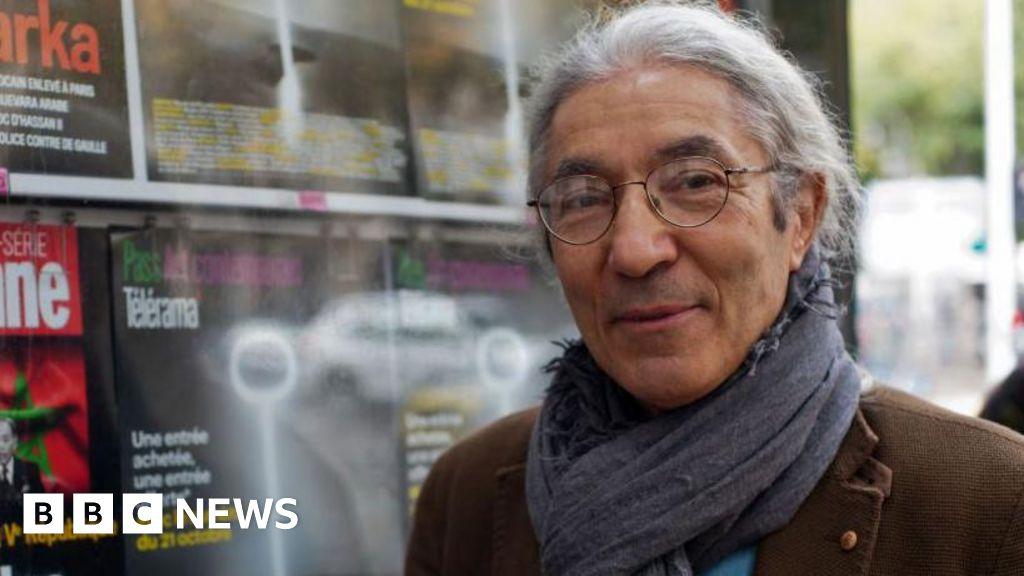
Beyond the immediate pardon, several outlets framed the case as indicative of broader press-freedom and civil-liberties concerns in Algeria. They pointed to the use of anti-terrorism laws since the 2019 Hirak protests to curb dissent.
“Rights groups say Algeria has used a controversial ‘anti‑terrorism’ law since the 2019 Hirak protests to silence dissent.”
Rights groups and media organizations demanded clemency. Some reporting emphasized the pardon’s narrow scope - a single humanitarian clemency - without addressing the underlying laws and prosecutions used against critics.