Full Analysis Summary
Kalma camp humanitarian crisis
Alite Organisation’s withdrawal of health and water services has left Kalma camp in South Darfur facing what residents describe as a catastrophic humanitarian situation.
Displaced people report severe shortages of drinking water and healthcare after Alite stopped operating its clinic and water supply.
The closures have created a major gap in services that formerly reached hundreds of children.
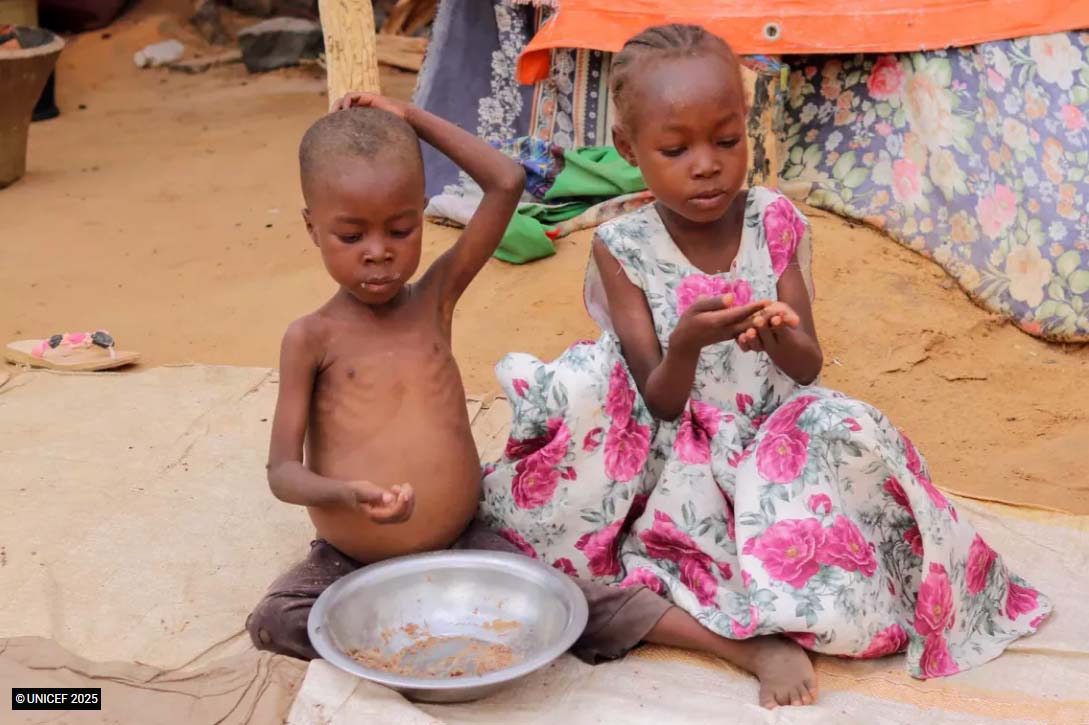
Local accounts and imagery have highlighted extreme desperation among families, including children consuming ambaz, which is normally used as animal feed.
Residents warn of rising malaria, measles and acute malnutrition as the International Medical Corps and Doctors Without Borders become overwhelmed.
Camp residents are appealing to donors to reverse funding decisions and boost support for 2026 to prevent further deterioration.
Coverage Differences
missed information / similar narrative
Both sources (Radio Dabanga and Dabanga Radio TV Online, both classified as 'Other') report essentially the same core facts: the Alite organisation ceased services; the Alite clinic had treated about 250 children a day and supplied water; residents report children eating ambaz and warn of disease and malnutrition; IMC and MSF (Doctors Without Borders) remain but are overwhelmed; and residents urge donors to reverse funding cuts for 2026. Given the two sources closely mirror one another, there is no substantive contradiction between them; rather, they reinforce the same narrative and detail set. The coverage therefore lacks alternative perspectives (e.g., government, Alite, or donor responses) and other source types that might confirm or contest these claims.
Camp health service crisis
Reports identify the Alite organisation as a central service provider whose departure precipitated the crisis; both articles state its health centre treated roughly 250 children per day and also supplied drinking water.
Sources say the sudden loss of daily clinical consultations and a critical water source has created a service vacuum that smaller national groups and other agencies have not filled, according to camp residents.
The scale of daily pediatric care highlights how abruptly the withdrawal has affected routine child health management in the camp.
Coverage Differences
tone / emphasis
Both source_name: Radio Dabanga (Other) and Dabanga Radio TV Online (Other) emphasize Alite’s concrete operational contribution — specifically the figure of about 250 children treated daily — but neither article provides Alite’s own explanation for stopping services or a donor perspective explaining funding decisions. Thus the narrative stresses loss and immediate consequences without presenting an alternative official rationale or mitigation plans from Alite, donors, or Sudanese authorities.
Child nutrition and disease risks
Reports describe humanitarian consequences including immediate threats to child nutrition and to communicable disease control.
Residents and imagery cited in the pieces show children eating ambaz, an animal feed, as a sign of deepening deprivation.
They also raise alarms about outbreaks of malaria and measles and about rising acute malnutrition if services and funding are not restored.
The coverage frames these outcomes as predictable consequences of losing both primary pediatric care and a reliable drinking water supply.
Coverage Differences
narrative / emphasis
Both pieces report identical humanitarian consequences, including the specific observation of children eating ambaz and warnings about malaria, measles and acute malnutrition. Neither source provides independent epidemiological data or third‑party health cluster assessments to quantify current caseloads, so while both emphasize urgent risk, they do not supply broader health-system data or an outside corroboration of outbreak status. This represents a limitation in the reporting: strong, aligned claims but limited diversity of documentary evidence in the provided sources.
Aid response in Kalma
Operational responders named in the reporting include International Medical Corps (IMC) and Doctors Without Borders (Médecins Sans Frontières, MSF).
Both organisations are reported to continue working in Kalma but are overwhelmed, with particular pressure cited at the so-called 'Centre Zero' complex.
The pieces portray international agencies as still present yet insufficient to meet the increased demand following Alite's exit.
National organisations and other agencies are described as performing weakly in the face of the surge.
Coverage Differences
tone / attribution
Both Radio Dabanga and Dabanga Radio TV Online report that IMC and Doctors Without Borders continue to operate but are overwhelmed, and that national organisations and other agencies are seen as responding weakly. Neither source includes direct quotes from IMC, MSF, or national organisation leaders explaining capacity constraints, nor do they present donor statements about funding cuts; thus the articles attribute operational strain to responder limitations based on resident reporting rather than agency statements, which is an important distinction between reported conditions and direct institutional confirmation.
Donor appeal and sourcing limits
Residents call on donors to reverse funding decisions and increase support for 2026.
Both reports conclude with that appeal and highlight a gap in accountability and alternative plans.
The two articles come from the same outlet group and the same 'Other' source type, so they offer very similar framing.
Independent corroboration from other source types, such as government statements, donor agencies, and health cluster reports, is absent from the provided material.
Readers should be cautious: the catastrophe described is consistent across the two accounts, but additional perspectives and official responses are not included in the excerpts.
Coverage Differences
source coverage limitation
Both Radio Dabanga and Dabanga Radio TV Online end by documenting residents’ appeals to donors to reverse funding cuts and increase 2026 support, but neither includes responses from donors, Alite, Sudanese authorities, or independent health clusters. The two pieces therefore present aligned eyewitness and service‑delivery reporting without those cross‑checks, which is a gap in coverage rather than a contradiction between sources.