Technology and Science02 June, 20262 min read
Amazon And Ring Face Proposed Class Action Over Ring “Familiar Faces” Privacy Violations
This article is an automated aggregation of coverage from news outlets. Our editorials offer in-depth analysis curated by the NewsCord team.
Virginia resident Charles Sigwalt filed a Seattle federal class action against Amazon and Ring. Alleges Familiar Faces collects and stores facial recognition data from passersby without consent.

Ring Familiar Faces lawsuit
Amazon and its Ring unit are facing a proposed class-action lawsuit over Ring’s “Familiar Faces” feature, which the complaint says collects and retains facial recognition data from visitors, delivery workers, neighbors, and passersby without consent.
The suit was filed Monday in the U.S. District Court for the Western District of Washington, and the plaintiff, Charles Sigwalt, a Virginia resident, is seeking at least $5 million in damages on behalf of a proposed nationwide class.
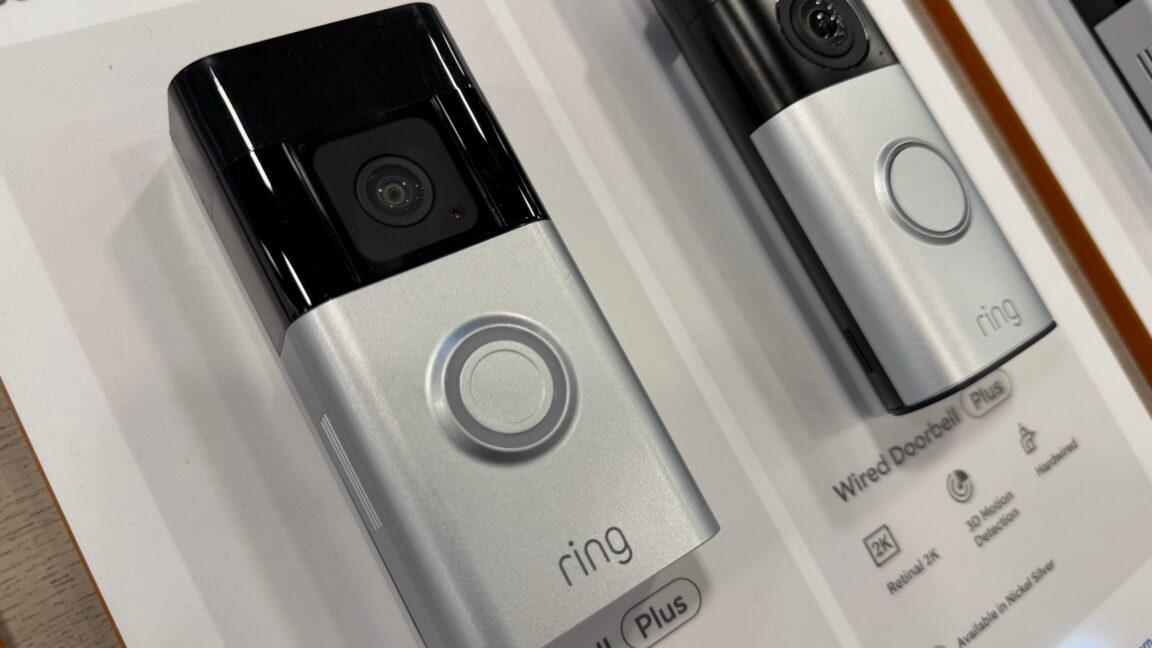
CBS News reported that Sigwalt filed the lawsuit on Monday in Seattle federal court, where Amazon has one of its headquarters, alleging Ring’s “Familiar Faces” feature uses facial-recognition software to scan anyone who passes by the doorbell camera and categorizes them using artificial intelligence.
According to the complaint described by CBS News, the system then collects a “face print” that allows it to re-identify the person, and Sigwalt alleges Ring collected his facial recognition data without warning while he was visiting friends’ and family members’ homes.

Consent fight and retention
The lawsuit argues that Ring’s controls do not solve the consent problem, alleging that Familiar Faces must scan faces in the camera’s field of view before it can determine whether a person is familiar or unfamiliar. Biometric Update reported that Ring says the feature is optional and not turned on by default, and that its support materials say profiles and facial recognition information are encrypted and stored in the cloud, with unnamed profiles automatically removed after 30 days without recognition and deleted after 180 days of no recognition.
In the complaint, Sigwalt alleges that when people enter homes or businesses with Ring cameras that deployed Familiar Faces, they “did not consent to have their privacy rights violated at the entrance way,” and he seeks class-action status. TechCrunch reported that “Millions of other Americans passed by a Ring security camera and unknowingly had their facial recognition information collected,” framing the issue as people who walk past Ring doorbells not having consented to facial-recognition scans.

Markey, EFF, and legal backdrop
The case follows months of warnings from privacy advocates and Sen. Edward Markey, who urged Amazon last year to abandon the feature before its rollout, warning that opt-in choices by Ring customers do not extend to non-users captured by a camera.
“Amazon's system forces non-consenting bystanders into a biometric database without their knowledge or consent.”
 Biometric Update
Biometric Update quoted Markey saying, “Amazon's system forces non-consenting bystanders into a biometric database without their knowledge or consent. This is an unacceptable privacy violation.”
TechCrunch reported that privacy advocates including the Electronic Frontier Foundation pushed back on Familiar Faces, and that Ring announced the feature last September and faced pushback before moving forward with plans to launch the feature in December.
The lawsuit also lands against prior scrutiny of Ring’s privacy practices, with CBS News noting that in 2023 the Federal Trade Commission filed a suit alleging Ring gave workers and contractors recorded by Ring and failed to protect customer security, leading to hackers threatening or sexually propositioning Ring owners, and that Amazon settled the case for $5.8 million.