Full Analysis Summary
Margraten memorial panels
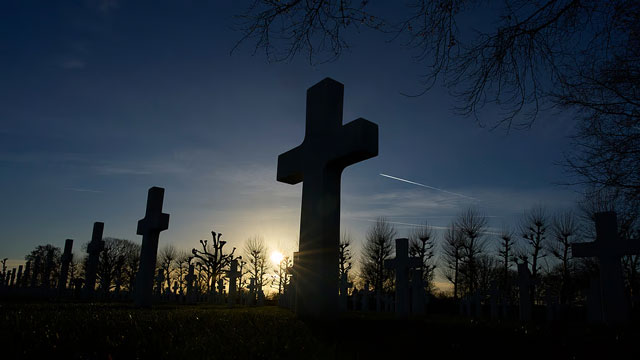
In spring 2025 the American Battle Monuments Commission (ABMC) removed two display panels at the visitors center of the Netherlands American Cemetery in Margraten that honored Black World War II soldiers.
The removals prompted dismay and protest from local Dutch residents, families of U.S. service members buried there, and officials.
The Associated Press reports the panels recognized Black troops who helped liberate Europe from the Nazis.
Their removal, which occurred sometime in the spring, has sparked anger from local Dutch residents who tend the graves, children of U.S. soldiers buried there, and Dutch officials, with objections recorded in the cemetery guestbook and local interviews.
The AP included an interview with Cor Linssen, the son of a Black U.S. soldier.
Daijiworld likewise reports that the removal of displays recognizing Black American soldiers at the U.S. military cemetery in Margraten has prompted strong criticism from Dutch officials, families, and residents.
That report described the removals as having been done quietly earlier this year.
Only two source documents were provided for this summary, so the range of published perspectives is limited to those sources.
Coverage Differences
Tone and detail
Both sources report removal and local anger, but Daijiworld uses more charged language ("strong criticism") and emphasizes the removals were done "quietly" and provides names and specifics, while Associated Press provides a concise account of community dismay through guestbook entries and interviews. The distinction appears to be that Daijiworld expands on motives and context that AP summarizes more tersely. (I am reporting what each source says, not attributing motives beyond their text.)
Removed memorial panels
Daijiworld reported that two panels were removed.
One panel recounted the story of George H. Pruitt, a 23‑year‑old Black soldier buried at Margraten who died rescuing a comrade in 1945.
The other panel explained World War II racial segregation in the US military.
Daijiworld reports that ABMC told critics the segregation panel "fell outside its 'commemorative mission'" and that the Pruitt panel was simply "rotated out."
The Associated Press does not list the specific panel topics in the available snippet but confirms that the displays honored Black soldiers who helped liberate Europe.
The two sources therefore converge that panels honoring Black service were removed, while Daijiworld supplies fuller identification of the panels' subjects, including Pruitt and the segregation history, which AP's summary omits in the available excerpt.
Coverage Differences
Missed information / level of detail
Daijiworld provides specific names and subject matter (George H. Pruitt; a panel about segregation) and quotes ABMC wording about the panels, whereas the Associated Press excerpt supplies the broad fact of removed panels and the reaction but does not give those specifics in the provided text. This is a difference of detail and emphasis between the two sources.
Coverage differences
Coverage differs on context and reported motive.
Daijiworld links the removals to U.S. policy changes, saying the action followed executive orders from President Trump ending federal DEI programs and citing FOIA-obtained documents that indicate those policies influenced the removals.
It also quotes a diplomatic exchange in which US Ambassador Joe Popolo initially suggested the displays were inappropriate as an American-criticising 'agenda.'
The Associated Press piece, in the excerpt provided, focuses on local reactions and does not report the FOIA material or the Trump executive-order connection.
These differences produce divergent narratives: Daijiworld frames the removals within a U.S. policy and diplomatic context, while AP foregrounds community response without that policy linkage.
Coverage Differences
Narrative / reported motive
Daijiworld reports a causal link to executive orders ending federal DEI programs and cites FOIA documents suggesting influence, plus Ambassador Popolo's initial comments; Associated Press in the provided excerpt does not mention these policy links or diplomatic comments, instead emphasizing local anger. The difference is that Daijiworld attributes a policy context and names actors and documents, while AP's excerpt emphasizes reaction and community impact.
Restoring memorial panels
Both sources report demands to restore the panels and express concern about erasing Black soldiers' contributions.
Daijiworld quotes Dutch authorities, residents and historians who have demanded the panels be restored and warned the removals risk erasing contributions and sacrifices of Black soldiers who served, many in segregated units, during the liberation of Europe.
Daijiworld also says efforts are underway to find a permanent Dutch site to commemorate Black American contributions.
The Associated Press notes community objections in the guestbook and local interviews, reflecting similar concern even though the AP excerpt does not cite the same explicit warnings about erasure or mention efforts to create a Dutch memorial.
Because only the two source snippets were provided, these are the only documented perspectives available for the article; they show a shared outcome—calls to restore—with Daijiworld offering more detail on proposed remedies.
Coverage Differences
Tone and proposed remedies
Both sources describe strong local objection, but Daijiworld goes further by reporting explicit demands for restoration, warnings about erasure of history, and active efforts to find a Dutch site to commemorate Black contributions. Associated Press documents the objections and emotional response but, in the provided excerpt, does not describe those concrete restorative efforts.