American Blockade and Bombs Leave Iran’s Economy Burdened by Destruction, Inflation
Key Takeaways
- Extensive destruction of infrastructure and high inflation burden Iran's economy.
- The U.S.-Iran memorandum of understanding sets 60-day talks with up to $300 billion in incentives.
- Rial shows limited improvement after the MOU; reconstruction and reform needs persist.
After War, Economy Strains
Iran’s postwar economic outlook is described as burdened by destruction, with the economy facing “enormous challenges” including “high inflation and widespread destruction of infrastructure and industry.”
“The agreement took too long to come out — too long for many Iranians”
The Independent Arabic reports that after the memorandum of understanding with the United States was announced last Wednesday, the Iranian currency (the rial) rose, but it “offset only slightly the loss of more than a quarter of its value since the war began at the end of February 2026.”

The same report says the American blockade on Iranian ports in recent weeks led to “a severe shortage of basic goods for Iranian consumption,” while the Economist is cited as predicting recovery from war damage could take “many years.”
Folha de S.Paulo adds that American and Israeli bombs damaged Iran’s infrastructure and industry and that American warships blocked its ports, while the memorandum sets “60 days for negotiations toward a final agreement.”
Inflation, Jobs, Blockade
The Independent Arabic says Iran’s inflation rate in May of last year reached 84% annually, and it reports that inflation in food prices reached 131%.
It also states that “more than 3,000 containers bound for Iran have piled up at Pakistani ports,” and that grain shipments to Imam Khomeini Port fell by 40%.
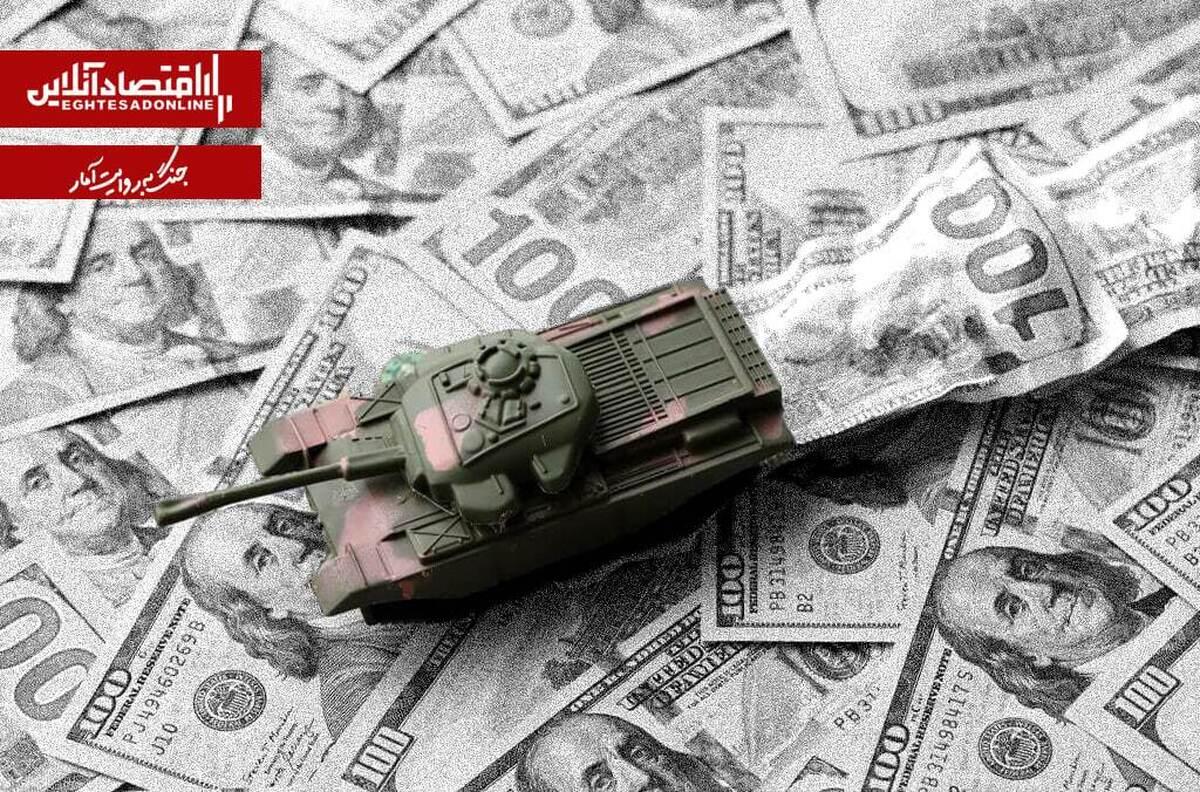
Deputy Labor Minister Gholam-Hossein Mohammadi is quoted saying that about two million Iranians—“seven percent of the workforce”—have lost their jobs.
Folha de S.Paulo similarly reports that “Poor Iranians are paying for meat and bread in installments,” and it adds that as many as 2 million people have lost their jobs—“up to 7% of the workforce.”
Money Promises, Sanctions Relief
The Independent Arabic says the memorandum included measures for 60 days during which a final agreement between Washington and Tehran would be negotiated, and it describes a pledge of investments of up to $300 billion flowing into Iran if it adhered to its commitments.
“Exclusive Economy From the shock to the resilience”
It reports that The Economist doubts the possibility of such investments, noting they nearly equal Iran’s GDP, and it adds that the U.S. President Donald Trump denied that his country would invest in the proposed fund for rebuilding Iran.
Folha de S.Paulo says the memorandum of understanding “establishes 60 days for negotiations toward a final agreement,” and it frames the incentives as “perhaps up to US$300 billion in investments” if Iran cooperates.
Folha de S.Paulo also states that the U.S. must lift the embargo and offer sanctions relief, and it quotes that “Ending that embargo is the first essential step,” while describing the embargo as choking off Iran’s oil exports and aiming to deprive the Islamic Revolutionary Guard Corps (IRGC) of revenue.
More on Iran
Israel and Hezbollah Agree Ceasefire After Lebanon Airstrikes Killed 47
12 sources compared

Israel And Hezbollah Ceasefire Delays U.S.-Iran Talks In Switzerland, Swiss Foreign Ministry Confirms
12 sources compared

Congress Could Block Donald Trump’s Iran MOU Sanctions Waivers Under INARA
12 sources compared

Iran’s Leaders Back US-Iran Memorandum Red Lines as Switzerland Talks Postponed
21 sources compared