
Amid the rubble and debris... Gazans celebrate ليلة القدر.
Key Takeaways
- Gazans observe Laylat al-Qadr on twenty-seventh night amid rubble of mosques destroyed by Israeli occupation.
- Plastic prayer halls converted into temporary houses of prayer.
- People's resilience and determination to revive spirituality despite destruction.
Rubble, destruction, and resilience
Gazans marked Laylat al-Qadr on the twenty-seventh night of Ramadan, observing beneath the remains of mosques destroyed by the Israeli occupation during the war of extermination.
“Among the rubble and debris, the people of Gaza observed the twenty-seventh night of Ramadan, Laylat al-Qadr, under the remains of mosques destroyed by the Israeli occupation during the war of extermination”
Plastic prayer halls were turned into temporary houses of prayer, reflecting the people’s resilience and their determination to revive the moments of spirituality despite the destruction.
Perseverance through outages and rituals
The sound of generators, the cold, and the power outages did not prevent Gazans from observing Laylat al-Qadr; they prayed in plastic spaces amid the ruins, reaffirming their resilience and their resolve to preserve the night’s spirituality.
Amid the rubble, homes and streets were transformed into temporary places of prayer as children gathered with lamps to light the darkness left by the war.
Despite great losses in lives and property, Gazans continue Ramadan rituals—Taraweeh, supplication, and Quran—to reclaim a sense of normal life and send a message to the world that Gaza remains.
Return to spiritual life in Gaza
Laylat al-Qadr this year was not just a night of worship but a testament to the enclave’s endurance, keeping life and spirituality going amid the rubble in the face of a war that sought to erase their history and sanctities.
“Among the rubble and debris, the people of Gaza observed the twenty-seventh night of Ramadan, Laylat al-Qadr, under the remains of mosques destroyed by the Israeli occupation during the war of extermination”
Joy and praise spread on social media as videos and photos documented Gaza’s neighborhoods on Laylat al-Qadr after more than two years of absence due to the Israeli occupation’s war of extermination.
Observers noted that on the twenty-seventh night of Ramadan Gaza experienced an inspiring return to its spiritual life, with the Kanz Mosque filled with worshippers whose lines extended into the surrounding streets, praising Gazans for clinging to faith and the spirit nurtured by the Qur'an cannot be defeated.
Return of historic mosques and aerial disruption
The Omari Grand Mosque, Gaza's oldest mosque, returns today, resounding with a nylon canopy after the occupation targeted it by destroying its ancient stones and memory, a moment no one imagined would return after a three-year interruption.
Bloggers emphasized that the sight of Gaza’s people going to the mosques among the ruins to observe Laylat al-Qadr represents a message of steadfastness rather than mere prayer.
Planes buzzing at low altitudes tried to spoil worship and spread fear, but residents continued their prayers, clinging to the safety of their homes and the sanctity of their places of worship.
More on Gaza Genocide
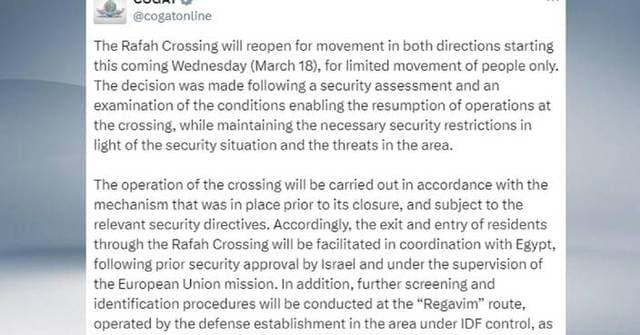
Israel to Partially Reopen Rafah Crossing for Limited Gaza Travel
13 sources compared

UEFA Cancels Finalissima as Argentina Rejects Alternatives Amid Middle East War
11 sources compared

Israel Fired on Family Car in West Bank, Killing Four, Including Two Children
15 sources compared
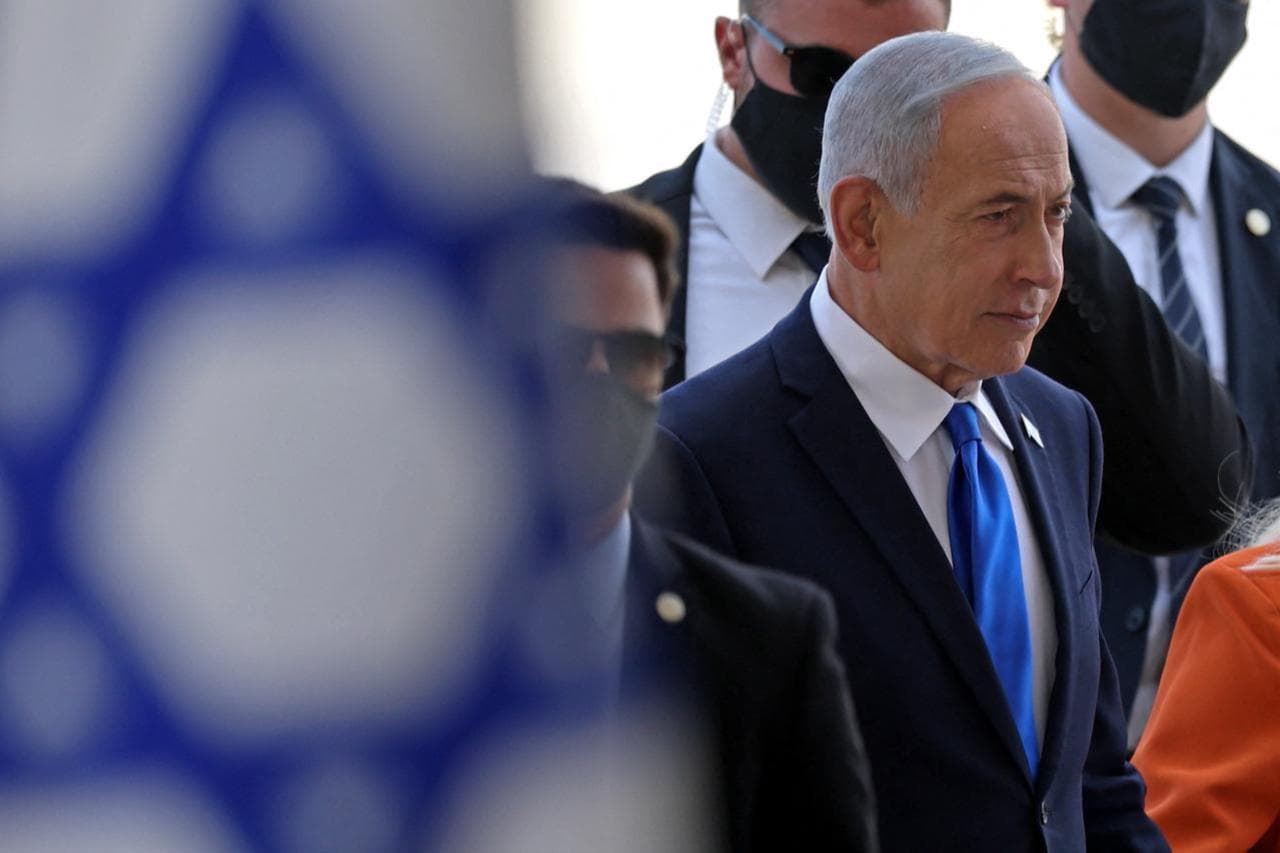
Netanyahu Denies Death Rumors in Video After Iranian Attack
18 sources compared