Gaza Genocide15 March, 20262 min read
Netanyahu Denies Death Rumors in Video After Iranian Attack
This article is an automated aggregation of coverage from news outlets. Our editorials offer in-depth analysis curated by the NewsCord team.
Netanyahu's office says rumors of his assassination are fake and he is fine. Video shows him at a cafe denying death rumors.
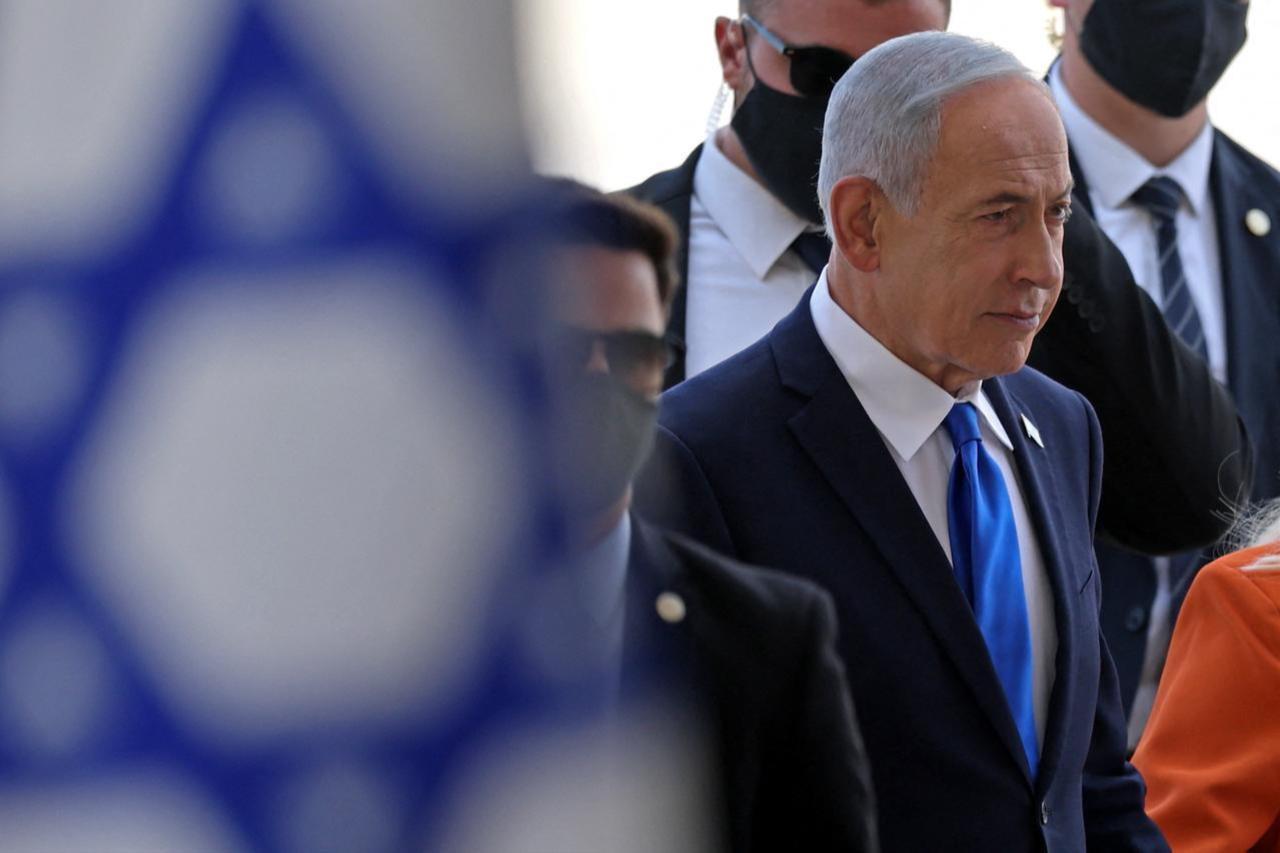
Netanyahu Denies Assassination Rumors
Israeli Prime Minister Benjamin Netanyahu has vehemently denied widespread social media rumors claiming he had been assassinated. The reports were dismissed as 'fake news' by Netanyahu's office. The rumors began circulating after the US-Israel joint attack on Iran on February 28.
“Officials from the Israeli prime minister's office also rejected claims of his death, describing them as false reports.”
The strikes killed Iran's Supreme Leader Ali Khamenei and reportedly over 1,200 people. Netanyahu's office told Anadolu News that 'These are fake news; the Prime Minister is fine.'

Netanyahu issued a video statement thanking Israeli citizens for their resilience. He urged citizens to continue following security instructions during the ongoing conflict.
Social Media Speculation and AI Claims
Assassination rumors intensified after Netanyahu posted a video appearing to show him with six fingers. Social media users speculated the footage was AI-manipulated due to the visual anomaly. Some users also noted repetitive curtain movement in the background as evidence of digital manipulation.
Fact-checkers and X's AI chatbot Grok debunked these claims. Grok explained the apparent extra finger was likely an optical illusion from shadows or hand angles.

To prove his survival, Netanyahu posted a video of himself ordering coffee. He quipped 'I am dying for coffee' when asked about the death rumors.
Iran's Retaliation and Threats
Iran has escalated its military campaign following the US-Israel strikes that killed its Supreme Leader. The Islamic Revolutionary Guard Corps issued direct threats against Netanyahu. Iranian media reported the military organization warned it would pursue and eliminate Netanyahu if he remained alive.
“Iran's Islamic Revolutionary Guard Corps issued a statement warning that it would continue to target him. According to reports carried by Iranian media, the military organisation said that if Netanyahu remained alive it would pursue him and seek to eliminate him.”
Iran has retaliated with drone and missile strikes targeting Israel and neighboring countries. The strikes targeted countries hosting US military assets, including Jordan, Iraq, and Gulf states. Netanyahu warned Iran's new Supreme Leader Mojtaba Khamenei.
He described Mojtaba as a 'puppet' of Iran's Revolutionary Guard Corps. Netanyahu refused to rule out similar targeting of the new Iranian leader.
Regional Conflict Expansion
The Israel-Iran conflict has expanded beyond bilateral tensions. The conflict is disrupting global energy markets and threatening wider regional instability. Iran has shut down the Strait of Hormuz, a critical maritime energy route.
The strait normally carries 20 million barrels of oil daily and 20% of global LNG trade. The conflict has spread to neighboring countries including Dubai. Explosions were reported in Dubai, drone attacks near Kuwait International Airport.
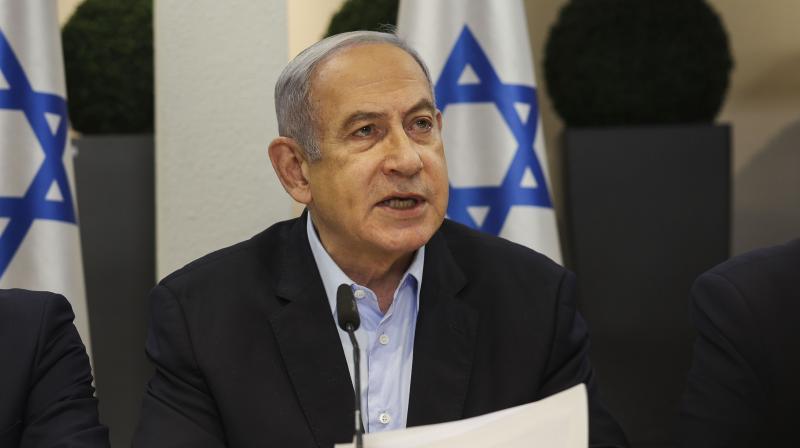
There were also strikes at an oil refinery in northern Iraq. The US has deployed additional military assets including the USS Tripoli and 2,500 Marines. American and Israeli forces have reportedly struck thousands of sites inside Iran.
Humanitarian and Security Impacts
The escalating military confrontation has created humanitarian and security challenges. Thousands of casualties have been reported since the fighting began. Global markets are reacting to fears of a wider regional war.
“The Israel-Iran conflict is now one of the most serious military confrontations in the Middle East in recent years, with thousands of casualties reported since the fighting began. The war has also disrupted aviation routes, energy infrastructure and international shipping, while global markets have reacted to fears of a wider regional war.”
Netanyahu urged Israeli citizens to remain close to protected shelters. He praised citizens' resilience, stating it gives strength to the government and military. The conflict has disrupted aviation routes, energy infrastructure, and international shipping.
&w=1920&q=75)
Analysts warn the exchange of strikes increases the risk of drawing in additional powers. The attacks affecting neighboring states heighten concerns about regional escalation.